
Have you ever felt like your marketing strategy was just a black hole for your hard-earned cash? I remember staring at my bank account, wondering if I was throwing money away before I finally compared streaming ads vs cable tv ads for my brand. As a small owner, I was tired of guessing which path would actually work for my limited budget.
The decision between legacy broadcast screens and modern digital platforms initially felt like a confusing maze. I needed a clear way to see where my investment worked hardest for my goals. To find the truth, I stopped listening to theories and tested both methods with my own money to see real results.
This experiment became a major turning point for my advertising plan and the way I look at business growth. My journey started with simple questions about costs and tracking performance. I wanted more customers and better visibility, but I needed real facts to help my marketing efforts.
By putting my own funds on the line, I found a business path that actually delivers. This comparison changed how I view every dollar I spend on growth. Here is what I discovered during my deep dive into these two media worlds.
Key Takeaways
- Testing with real money provides much better answers than following general theories.
- Modern digital platforms usually offer more control over daily spending and budgets.
- Local targeting options vary significantly between traditional and newer media formats.
- Tracking every single dollar is the only reliable path to sustainable growth.
- Your specific company goals should always dictate which medium you choose first.
Why I Decided to Test Both Methods
I reached a point where guessing about my growth strategy wasn’t enough, so I decided to put my actual budget to the test. My business needed more customers to survive a particularly quiet season. I kept hearing conflicting advice from other local owners about where to spend my money.
Some colleagues swore by traditional cable, while others insisted that digital streaming was the only future. I felt frustrated spending my hard-earned marketing dollars on things I couldn’t track or understand clearly. It was time to stop wondering and start measuring results with real data.
I decided to run both campaigns at the same once to see the truth for myself. Slow months and new competition finally pushed me to take action instead of waiting for luck. I wanted to see which advertising platform brought the most people through my front door for every dollar spent.
I committed to tracking every lead carefully to avoid making decisions based on hunches. My goal was simple: find out which media channel gave me the best return. I knew I couldn’t afford to waste a single cent on bad marketing while trying to scale my business effectively.
“The only way to know what works for your specific audience is to stop listening to rumors and start looking at your own numbers.”
| Test Factor | Cable TV Goal | Streaming Goal |
|---|---|---|
| Primary Focus | Local Brand Awareness | Specific Lead Generation |
| Tracking Method | General Traffic Spikes | Direct Digital Clicks |
| Budget Strategy | Fixed Zone Buy | Flexible Audience Targeting |
Cable TV Advertising: What It Delivered for My Business
Diving into the world of traditional broadcasting taught me that cable TV advertising still holds massive power for local business owners. Many people told me that traditional television was a thing of the past, but my experience proved them wrong. I found that it provided a level of authority and trust that digital platforms struggle to replicate.
Broadcast TV Gave Me Wide Local Reach
I started by using broadcast spots to cast a wide net across my entire community. This strategy gave me massive name recognition in just a few weeks. It felt incredible to see my small business appearing alongside national news programs and popular sitcoms.
Every time an ad aired, I noticed a steady climb in website visits from new users. This broad local reach helped me establish my brand as a leader in the area. Even people who weren’t ready to buy immediately began to recognize my logo and jingle during their morning routines.
Cable Zoning Let Me Target Specific Areas
Once I established a presence, I shifted my focus to cable zoning to save money. I realized I didn’t need to pay for viewers who lived fifty miles away from my storefront. This method allowed me to pick specific neighborhoods and zip codes where my ideal customers lived.
By narrowing my focus, I made my marketing budget go much further. I wasn’t wasting impressions on people who would never make the drive to visit me. This table shows how I balanced my approach:
| Feature | Broadcast TV | Cable Zoning |
|---|---|---|
| Audience Scope | Entire Metro Area | Specific Neighborhoods |
| Primary Goal | Brand Awareness | Store Foot Traffic |
| Cost Efficiency | Lower Per Viewer | Lower Total Spend |
Live Events Brought Immediate Visibility
The most exciting part of my experiment involved advertising during live events. I ran a specific campaign during local high school football games that brought immediate phone calls to my office. People watching live television generally cannot skip commercials like they do with recorded content.
“Traditional TV excels at driving awareness and urgency for time-sensitive promotions like local sports or seasonal sales.”
Watching a game creates a sense of urgency and active engagement. I timed my ads around breaking news and major sports to get immediate visibility when viewers were most attentive. While these premium time slots cost more, the highly engaged audience made the investment worth every penny for my seasonal promotions.
Streaming Ads: How They Performed
After seeing the results from cable, I was eager to see if streaming could actually deliver a better return on my investment. I didn’t just want to reach people; I wanted them to pay attention to my message.
This phase of my experiment showed me how different digital audiences really are compared to traditional TV viewers. I found that the digital space requires a much more personal touch to get results.
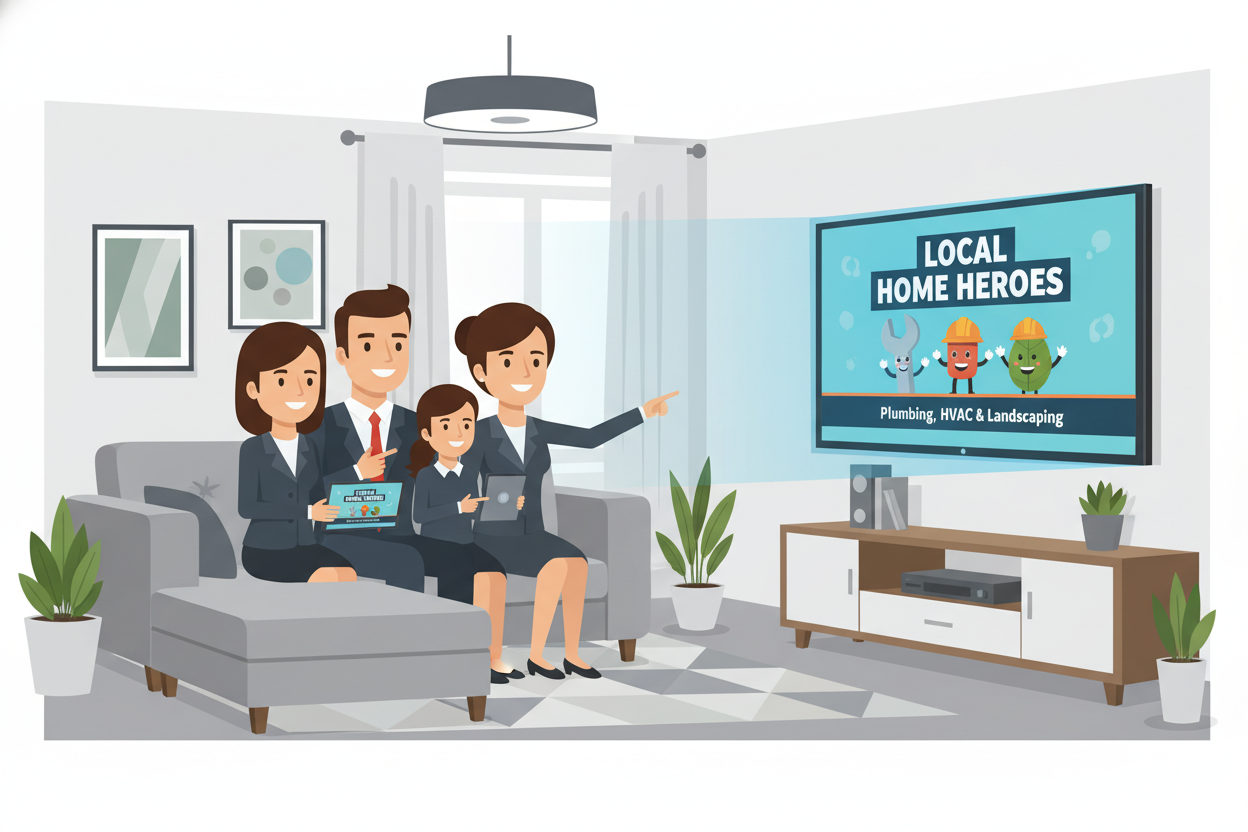
The Platforms I Used (Hulu, Peacock, and Others)
I started by exploring various streaming tv advertising services to find the right fit for my tight budget. I settled on major platforms like Hulu and Peacock because they offer self-service options for smaller players.
Using these tools allowed me to place my brand alongside premium shows without needing a massive agency. I felt more in control of where my money was going every day.
If you are just starting out, you might find this beginner’s guide to OTT advertising very helpful for navigating the setup. It really simplified the process for me and saved me hours of frustration.
Viewers Paid More Attention Than I Expected
One thing that surprised me was the high level of engagement I received from viewers. On streaming platforms, ads are often non-skippable, which means people actually watch what you put in front of them.
I noticed that my audience didn’t just walk away during breaks like they did with cable. Because they chose the show themselves, they were already locked into the screen and mentally present.
This “on-demand” expectation meant users stayed focused for the entire commercial break. It felt much more direct than broad broadcasting because I knew my message was actually being seen.
Creating Ads That Actually Work on Streaming
I quickly learned that streaming requires a unique creative approach to be successful. The first three seconds are absolutely vital for grabbing attention before someone checks out.
If I didn’t hook the viewer immediately, the rest of the ad didn’t matter. I tested different styles, like using funny scenarios or focusing on solving a specific problem very quickly.
I also found that polished, professional-looking ads performed much better because streaming viewers expect high quality. I made sure to align my ad’s tone with the content—casual for comedies and more serious for news programs.
Streaming Ads vs Cable TV Ads: The Cost Breakdown
Comparing the invoices for cable and streaming ads helped me understand which platform offered the most bang for my buck. As a small business owner, I quickly learned that every dollar must work toward growth.
I tracked my spending across both methods to see where my money actually went. The results showed a clear difference in how these two platforms handle small marketing budgets.
| Feature | Cable TV Ads | Streaming Ads (OTT) |
|---|---|---|
| Entry Cost | High Minimums | Low/Flexible |
| Production | Often Included | User-Generated |
| Payment Model | Fixed Contract | Pay-per-view |
What I Spent on Cable TV Spots
I spent about $2,500 on my first local cable run to get my brand in front of people. This price included a simple 30-second commercial and broadcast airtime for one month. I had to buy specific geographic zones to reach my neighbors without wasting money on distant cities.
Cable companies usually require a monthly minimum spend which felt like a huge commitment. I had to pay for my spots regardless of how many people actually watched. It was a significant investment that required careful planning and a bit of bravery.
My Streaming Ad Campaign Budget
Streaming platforms offered much more flexibility for my limited advertising wallet. I started my first campaign on Hulu with a small budget of just $500. OTT advertising is very budget-friendly for local businesses that cannot spend like national brands.
The system allowed me to set a daily limit so I never went over budget. I loved that I could run cost-effective campaigns without signing a long-term contract. If an ad wasn’t performing well, I could pause it instantly. This flexible approach gave me peace of mind as I tested new creative ideas.
Which Gave Me Better Value
I calculated value by dividing my total spend by the number of new customers. Streaming ads gave me more customers per dollar because the targeting was so precise. I only paid to reach people who were likely to buy my specific products.
However, cable delivered better value when I needed to reach thousands of people quickly. It was perfect for time-sensitive promotions like a big weekend sale. Cable reached the masses, but streaming reached the right individuals. For steady growth, streaming consistently provided a better return on my investment.
Targeting: Where Streaming Beat Cable by Far
The most significant advantage I found during my testing was how streaming platforms allowed me to laser-focus on my ideal buyers. Cable TV has its place for some, but it often felt like I was shouting at a whole city just to talk to one person.
Streaming changed the game for me by making every dollar of my budget work much harder. I stopped guessing who might see my ad and started knowing exactly who was watching. This shift in precision made my marketing feel much more intentional and effective.
Cable TV Zoning Had Geographic Limits
Cable providers use “zones” to help small businesses reach local audiences. However, I quickly discovered that these zones are still quite large and often include areas I don’t serve. I found myself paying to show ads to people who lived 40 minutes away.
It felt like I was wasting valuable impressions on viewers who would never realistically visit my store. Even with specific zoning, you are still bound by the cable provider’s fixed map. This lack of flexibility made it hard to keep my costs down while reaching the right neighborhoods.
Streaming Let Me Reach Exactly Who I Wanted
Streaming platforms allow you to target by specific ZIP codes or even a 5-mile radius around your business. I could also target people based on their specific interests, like fitness, home improvement, or fashion. This was a massive step up from traditional options.
These platforms collect rich data on viewing habits and account preferences. I could reach people who specifically watch DIY content or cooking shows. This meant I only paid to reach people who were actually likely to buy my products.
How Precise Targeting Changed My Results
Once I switched to this precision, my conversion rates doubled almost overnight. I started getting much higher quality leads from people who were already qualified and interested. My cost per customer dropped significantly because I wasn’t paying for irrelevant eyeballs.
I found that I could run smaller, smarter campaigns that delivered better results than my larger cable buys. It completely changed my mindset as a business owner. I stopped trying to reach everyone in the city and focused entirely on reaching the right people.
| Targeting Feature | Cable TV Zoning | Streaming Precision |
|---|---|---|
| Location Control | Fixed Broad Zones | ZIP Codes & Radius |
| Audience Interests | Channel/Genre Only | Specific Habits & Data |
| Budget Efficiency | High Waste Potential | Highly Optimized Spend |
By testing different customer segments, I quickly identified my most profitable audiences. This data-driven approach gave me the confidence to scale my ads without fearing I was throwing money away. It was a total breakthrough for my growth strategy.
Tracking Performance: The Data I Could Actually See
Seeing the numbers behind my ads was like finally turning on the lights in a dark room. I spent years wondering if my marketing actually worked for my business. Having clear performance data changed how I spent every single dollar.
Cable TV Gave Me Basic Ratings Data
When I used Cable TV, the reports felt like history lessons rather than current events. I received basic ratings data that told me how many people might have seen my ad. These numbers were based on broad estimates and general averages for my local area.
I often had to wait weeks to see any results at all. It was hard to know if a specific sale came from a TV spot or just a busy weekend. This lack of detail made me feel like I was guessing with my hard-earned money.
Streaming Showed Me Everything in Real Time
Streaming platforms completely changed my perspective because they showed me everything in real time. I could see exactly how many people watched the entire ad and how many viewers clicked. This transparency allowed me to make quick adjustments without wasting my limited budget.
If a specific ad was not performing, I did not have to wait a month to fix it. I could test new ideas and double down on what worked immediately. This level of control was something I never had with traditional media.
Why Metrics Mattered More Than I Thought
Detailed metrics transformed how I approached advertising entirely. I finally had the data to prove to my accountant that my dollars were actually working. I stopped guessing and started making decisions based on real evidence of growth.
I used these numbers to test different ad versions and kept what performed best. I learned which audiences responded and which times delivered the best results. This continuous improvement was impossible with the limited info from Cable TV.
Data-driven decisions gave me the confidence to increase my spending. I knew I was putting money into campaigns that were already profitable. My marketing strategy became much more effective once the guesswork was gone.
| Feature | Cable TV Tracking | Streaming Tracking |
|---|---|---|
| Report Speed | Delayed (Weeks) | Real-Time (Instant) |
| Accuracy | Estimated Ratings | Exact View Counts |
| User Actions | None Recorded | Click-Through Rates |
| Optimization | Hard to Pivot | Easy to Adjust |
What Works Best for Small Local Businesses
I found that the “best” method really depends on whether you want a big splash or a surgical strike. Deciding where to put your hard-earned money is a huge step for any local shop. I discovered that neither option is “better” in every single case.
The winner usually depends on your current business goals. It also matters how fast you need to see new feet walking through your door. I had to learn which tool to grab for different jobs to keep my growth steady.
Cable TV Worked When I Needed Fast Broad Reach
When I had a grand opening or a major seasonal sale, cable was my best friend. It allowed me to blast my message across the entire county in just a few days. Immediate visibility is the biggest strength of traditional broadcast spots.
If I needed to build brand awareness quickly, this was the way to go. It felt like standing on a digital rooftop and shouting to everyone in the neighborhood at once. Cable worked perfectly for those “big moment” campaigns that required a mass audience.
Streaming Won for Targeted Budget-Conscious Campaigns
For my daily growth, streaming ads were the clear winner. I could target specific zip codes or even specific interests. This ensured that I didn’t waste a single dime on people who weren’t in my market.
Streaming allowed me to be very picky with my limited budget. I only paid to reach people who actually cared about my specific services. It turned out to be a very efficient way to keep a steady stream of new leads coming in without breaking the bank.
Using Both Together Gave Me the Best Results
My biggest discovery was that a hybrid strategy outperformed everything else. I realized that balancing my approach created a much stronger presence in my community. Combining both methods gave me the best of both worlds: visibility and precision.
I eventually landed on a specific formula that worked for my small business. Here is how I structured my combined efforts:
- I allocated about 70% of my budget to streaming for ongoing targeted work.
- I used the remaining 30% for cable during periodic broad-reach pushes.
- I used cable to build broad awareness, then retargeted those viewers with streaming ads.
- This combination reached mass audiences and specific prospects at the same time.
“The magic happened when I stopped choosing sides and started using both tools to complement each other.”
Using both methods together cost me more upfront. However, it delivered a significantly better return on investment over the long haul. This balanced strategy allowed me to maintain a local presence while hunting for new customers with accuracy.
My Advice: Choose Based on Your Business Goals
You don’t need a massive budget to succeed; you just need to align your choice of medium with your business goals. Every business owner starts with the same question: where will my dollar go further? The answer depends on your unique situation and who you are trying to reach.
I have found that success comes from smart strategy rather than just spending the most money. You should look at your current objectives before signing any contracts. Whether you want neighborhood fame or digital precision, there is a path for you.
Go with Cable TV for These Situations
Cable TV remains a powerhouse when you need to build local authority quickly. If your goal is to have everyone in the neighborhood recognize your brand, choose cable. It works best for businesses that offer services everyone needs, like plumbing or real estate.
You should stick with cable if you want to capitalize on live events. Local news and high-stakes sports games still draw massive, attentive crowds. This method provides immediate visibility that is hard to replicate elsewhere in your market.
Cable zoning also allows you to focus your budget on specific zip codes. It is a solid choice when you need to cast a wide net over a well-defined geographic area. Sometimes, being seen on the big screen in the living room matters most for credibility.
Pick Streaming Ads If This Describes You
Streaming ads are the ideal choice for budget-conscious brands. If you need to reach a very specific type of customer, this is your winner. Streaming allows you to target viewers based on interests, income levels, and even specific shopping behaviors.
I found that viewers paid much closer attention to these ads because they were highly relevant. This platform is perfect if you want to avoid wasting your budget on people who will never buy. You can start with a smaller spend and scale up.
It offers real-time data tracking that helps you pivot your strategy instantly. If your audience consists of younger, tech-savvy individuals, you must be on the platforms they use daily. Choosing streaming means choosing precision and measurable small business growth.
Consider Hiring a Media Buyer
When I first started, I thought managing my own ads would save me money. I quickly realized I was overpaying for mediocre time slots and missing huge opportunities. Using local media buyer services offers expertise that an individual business owner simply can’t match on their own.
These professionals use local market data to find exactly where your customers are hiding. They maximize your budget efficiency by negotiating better rates with major networks. They understand how to combine broadcast and cable for the maximum possible impact.
A good media buyer tracks your performance in real time to optimize every cent. They help you avoid costly mistakes like buying the wrong geographic zones. Investing in an expert often pays for itself through significantly improved campaign results and saved time.
Conclusion
My real-world testing revealed that both traditional advertising and digital video options offer unique strengths for growing a brand. I discovered that cable television is the fastest way to get broad reach and build brand awareness in a local market. It works best for live events and time-sensitive news that requires immediate exposure for a new campaign.
However, streaming ads provided much better targeting for my business. I could reach the right people based on their interests rather than just their zip code. High-quality streaming services also gave me real-time data and performance metrics. This access changed how I managed my marketing and improved my results.
The difference in spend was hard to ignore. Cable often requires a larger upfront commitment from advertisers. In contrast, streaming platforms allowed me to adjust my ads daily with flexible budgets. This flexibility is a game-changer for smaller businesses with limited media funds.
I now use a hybrid strategy to maximize impact. I use traditional advertising for periodic events and digital media for steady customer acquisition. This ensures my message stays in front of relevant audiences regardless of their viewing habits. Using multiple channels together provides the best brand awareness for various businesses.
Before you choose your media, set clear goals for success. I recommend testing both ads on a small scale to see what resonates with viewers. Working with a skilled media buyer can help you find the best opportunities. This saves time and helps businesses avoid the expensive marketing mistakes I made.
The media landscape is shifting as viewing shifts from cable to digital services. Small businesses must adapt to these changing habits to stay relevant. Other businesses that ignore these trends may struggle to find new growth services.
Effective marketing success doesn’t require a massive budget. It requires reaching the right people with your brand message at the right time. Take action today to see which advertising channels help your business grow. I sincerely hope these lessons help you navigate your next big choice.
