
What if the most powerful tool for growing your company isn’t something you buy, but something you already have? I’ve sat there with a tight budget, feeling that same pressure. Every dollar counts, and a wrong move can hurt.
Marketing strategies have evolved. It’s no longer just about who spends the most. The real challenge is balancing immediate needs with sustainable growth. I’ve watched many business owners struggle with this exact tension.
My goal is simple. I want to help you understand which approach gives you the best return on your limited resources. This article breaks down the core differences clearly. You’ll learn how to leverage your existing customer base to drive real results.
We’ll cut through the complexity. You can make an informed choice for your specific goals. Let’s find a path that works without wasting money on campaigns that don’t deliver.
Key Takeaways
- Understand the fundamental cost structures of different growth methods.
- Learn how to turn your current customers into a powerful promotional force.
- Identify the right balance between quick traffic and long-term, organic growth.
- Gain clarity on which strategy aligns with your specific budget and business stage.
- Discover actionable steps to implement a cost-effective plan that delivers results.
- Avoid common pitfalls that drain limited funds on ineffective advertising.
Overview of Referral Marketing for Small Businesses
Your most effective salespeople might not be on your payroll. They’re the happy clients you’ve already served. This is the heart of a referral program. It’s a strategy built on genuine word-of-mouth.
You reward people for recommending your brand to their network. It turns everyday satisfaction into a powerful growth channel.
Key Benefits and Trust Factors
I find the biggest appeal here is the trust factor. People are far more likely to buy from a company recommended by someone they know.
That personal endorsement cuts through the noise. It instantly warms up a new lead. You’re not starting from scratch with a cold audience.
Simple Incentive Structures
The mechanics are straightforward. You offer a small reward for a successful introduction. Look at big brands for inspiration.
T-Mobile offers a $50 prepaid MasterCard when a current customer refers friends or family. Capital One rewards both the referrer and the new account holder.
These balanced incentives make sharing feel worthwhile. By focusing on these connections, you turn your customers into true advocates.
Overview of Paid Ads and Their Role in Growth
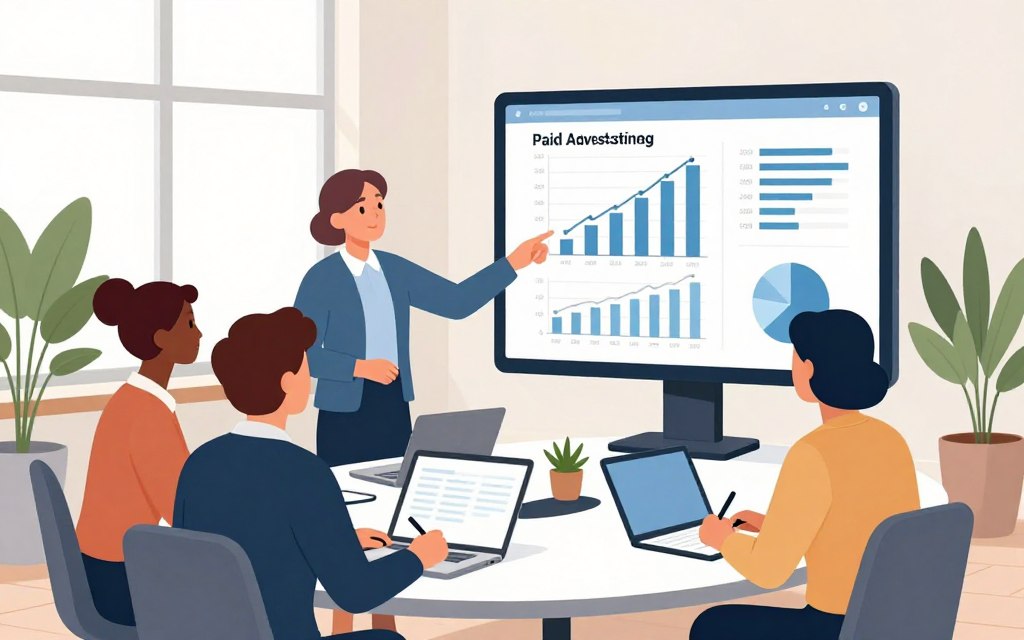
Imagine flipping a switch and instantly reaching thousands of potential customers—that’s the promise of paid promotion. This approach lets you buy visibility on major platforms. You control the message and who sees it.
Targeting Capabilities and Reach
These platforms offer incredible precision. You can target people by location, interests, or search terms.
This means your message reaches the right audience. You’re not shouting into a void.
| Platform | Avg. Cost-Per-Click | Key Targeting Feature |
|---|---|---|
| Google Ads | $2.69 | Keyword & Search Intent |
| Facebook Ads | ~$1.72 | Demographics & Interests |
| Instagram Ads | ~$0.70-$1.00 | Visual Content & Hashtags |
Cost and Immediate Visibility
I’ve seen the average click on Google costs $2.69. Your budget dictates your reach.
This investment buys immediate traffic. The moment your campaign goes live, people can see it.
You must watch spending closely. Bidding against others can change your cost daily.
Comparing Lead Quality and Conversion Rates
You can buy attention, but can you buy trust? That’s the fundamental question when comparing lead sources. I’ve tracked campaigns where high traffic didn’t mean high sales. The source of your leads directly impacts your success.
Warm Leads from Referrals
A personal recommendation is a powerful thing. These leads arrive already interested because someone they know vouched for you.
That built-in trust factor is huge. It often leads to much higher conversion rates. I find these new customers are also more likely to stick around long-term.
Cold Leads from Paid Advertising
In contrast, traffic from ads is often completely cold. People may click out of curiosity, not because they were looking for you.
This means more work is needed to build familiarity and trust before a sale happens. Conversion rates here can vary wildly. They depend heavily on your industry and how compelling your campaign is.
While ads can bring in a high volume of leads, the quality is typically lower than a personal referral. You’re trading immediate visibility for a longer nurturing process.
Cost Considerations in Each Marketing Strategy
The price tag of acquiring a customer varies dramatically between organic advocacy and bought visibility. I want you to see the full financial picture.
Each approach has distinct cost structures. Understanding them prevents budget surprises.
Reward and Incentive Costs in Referral Programs
Your expenses here are primarily tied to rewards. You might offer a $50 credit to both the advocate and the new client.
This creates a powerful dual incentive. The cost is only incurred when a sale is made.
Many software platforms for these programs charge a monthly fee. It can range from $50 to a few hundred dollars.
“A smart budget invests in relationships, not just impressions.”
Ad Spend and Production Expenses
Paid promotion involves more layered costs. Your budget must cover both the ad auction and the creative work.
You pay for every click, even if it doesn’t convert. Production fees for visuals and copy add up fast.
Management or agency fees are another common line item. Let’s break it down clearly.
| Cost Component | Referral Programs | Paid Ads |
|---|---|---|
| Upfront Cost | Low (Software Setup) | High (Creative Production) |
| Ongoing Fee | Monthly Platform Fee | Continuous Ad Spend |
| Cost Per Acquisition | Performance-Based (Reward) | Variable (Per Click/Impression) |
| Payment Trigger | Upon Successful Conversion | Upon Click or Impression |
I always recommend tracking your customer acquisition cost closely. It shows you exactly where your money works hardest.
Long-Term Growth and Sustainability
Long-term viability comes from creating value that multiplies on its own, not from constantly buying attention. I’ve seen businesses achieve steady, ongoing expansion at a fraction of the usual cost. The secret is building a model that fuels itself.
Building Loyal Customer Relationships
Your happiest clients are your best assets. When they love your service, they tell friends. Those friends often become loyal fans themselves.
This creates a powerful cycle of sustainable growth. You’re not just making a sale. You’re building a community that strengthens your brand.
Dependence on Ongoing Investment
In contrast, digital ads provide fast results that vanish when you stop paying. Your lead flow is directly tied to your budget.
This can trap you in a cycle of increasing expenses. Organic methods, like a smart referral system, build a more resilient foundation.
You reduce dependence on external platforms. Your customers become a reliable engine for new growth. For a deeper dive into balancing these approaches, explore this guide on how to advertise wedding photography effectively. It’s a great example of a smart, integrated strategy.
Strategies for Maximizing Small Budgets
Maximizing every dollar means knowing when to plant seeds and when to strike quickly. I see two powerful levers for limited funds. One builds lasting momentum. The other captures immediate opportunities.
Your strategy should balance both. Let’s break down how to optimize each approach.
Optimizing Referral Programs for Steady Growth
First, focus on your existing network. A well-run referral program turns happy clients into a growth engine. I recommend using a platform like Easy Affiliate.
It automates tracking and reward notifications. This removes friction for your participants.

Keep the process simple and mobile-friendly. Add fun elements like leaderboards to boost engagement. These steps encourage steady sharing.
Your customers become partners in your growth. The rewards you offer are an investment, not an expense.
| Strategy Focus | Primary Goal | Best For | Key Action | Typical Cost |
|---|---|---|---|---|
| Optimizing Referral Programs | Steady, organic growth | Building loyal community | Automate tracking & rewards | Performance-based fee |
| Leveraging Paid Ads | Immediate visibility | Product launches or promotions | Run targeted A/B tests | Pay-per-click budget |
Leveraging Paid Ads for Quick Wins
Sometimes you need fast results. That’s where ads shine. Use them for a new product launch or a limited-time promotion.
Design a sharp campaign with clear goals. Always run A/B tests on your messaging. This tells you what truly resonates.
This strategy gives you a quick influx of attention. Pair it with your long-term referral program for a balanced budget plan.
referral marketing vs paid ads: Impact on Your Business
The real impact of your marketing choice shows up in your profit margins and customer loyalty, not just your traffic numbers. I’ve seen companies focus on the wrong metric and wonder why they’re not growing. Your strategy must serve your ultimate goals.
Aligning Strategy with Business Goals
Turning happy clients into advocates is a powerful move. This organic method leverages existing trust to drive acquisition. It builds your brand through genuine conversations.
You must evaluate your client base. Are they ready to share your products? A successful program is built on this foundation. It generates new customers at a lower cost.
| Business Goal | Aligned Strategy | Key Metric to Watch | Typical Timeframe |
|---|---|---|---|
| Build Brand Authority | Organic Word-of-Mouth | Customer Satisfaction Score | Long-Term |
| Boost Immediate Sales | Targeted Campaigns | Conversion Rate | Short-Term |
| Lower Acquisition Costs | Structured Referral Program | Customer Lifetime Value | |
| Scale Predictably | Hybrid Approach | Return on Investment (ROI) | Ongoing |
A well-designed system provides a predictable ROI. You can scale efficiently without the risks of volatile media costs. The best strategy ensures satisfaction and encourages repeat business.
For a practical example of this balance, look at this guide on how to advertise wedding photography effectively. It shows how a smart, integrated plan drives growth.
Conclusion
The clearest path forward combines the immediate power of targeted visibility with the enduring strength of genuine recommendations.
I’ve found a well-structured referral program is your most reliable engine for sustainable growth. It builds trust and drives quality acquisition at a fraction of the usual cost. Start small, test your incentives, and refine based on what your participants tell you.
You can begin this journey today. Take advantage of a tool like Locorum’s 14-day free trial to see how it works for your business. The most successful plans make it easy for happy clients to share your brand.
By balancing quick wins from ads with the long-term ROI of organic sharing, you create a strategy that consistently delivers new customers.
