
I spent six months digging into my roku advertising cost breakdown to see if small businesses could actually win on the big screen. You don’t need a massive budget to reach the millions of people streaming their favorite shows every night. This platform accounts for nearly half of all U.S. TV time, so I had to test it myself.
During my trial, I found that CPM rates usually land between $20 and $60. While the official manager asks for a $500 minimum, I discovered aggregator tools that let you start for as little as $50. It felt empowering to realize that professional advertising isn’t just for global giants anymore.
I’m sharing the real numbers I encountered so you can avoid the guessing game. I learned that ads for smaller brands can perform well without high risk. This journey taught me that running ads on TV is finally accessible, and these ads can scale with your growth.
Key Takeaways
- CPM pricing typically ranges from $20 to $60 depending on your targeting.
- Small businesses can start with as little as $50 using aggregator platforms.
- Roku represents 47% of all U.S. TV streaming time, offering massive reach.
- Direct Roku Ads Manager requires a minimum budget of $500.
- Testing for six months revealed that costs are often lower than expected.
- Smart strategy allows budget-conscious owners to compete with big brands.
Why I Started Advertising on Roku in 2024
My journey into Roku advertising began when I noticed my competitors reaching local viewers while I stayed on the sidelines. I kept wondering how a small business like mine could compete on the biggest screen in the house. Traditional TV ads always felt out of reach because of high costs and broad, uncertain targeting.
Roku caught my attention because the platform offered something different. I realized I could finally reach a specific audience without paying for millions of people who were not a good fit. It felt like a doorway opened for businesses that do not have enterprise-sized budgets.
The data from early 2024 really sealed the deal for me. Roku reached 81 million active accounts, and users spend nearly half their streaming time on these devices. I loved that I could place ads directly on the roku channel or even the home screen interface.
Before I started, I checked a how much does it cost to advertise on guide to compare my options. I wanted to see if advertising on TV could actually work for a modest budget. I discovered that I did not need thousands of dollars just to run a simple test.
This shift in content delivery changed my entire marketing strategy. Testing these ads allowed me to reach people in their living rooms for the first time. It was practical and affordable, which is exactly what my business needed to grow.
Roku Advertising Cost Breakdown
I spent weeks digging into the numbers to see if roku advertising actually fit my small business budget. I quickly realized that the pricing model is different from traditional social media ads. However, once I understood the structure, the transparency helped me feel much more confident in my spending. It was not as scary as I first imagined.
How CPM Pricing Works on Roku
Roku charges for advertising using a CPM pricing model. This means you pay a set amount for every 1,000 times your ad appears on the screen. I found this refreshing because there were no hidden fees or surprise charges. Understanding this helped me plan realistic expectations for how many viewers I could reach with my campaign.
I learned to calculate my reach before launching anything. For example, a $300 investment at a $30 CPM gave me roughly 10,000 views. It is all about the simple math of visibility and knowing exactly what you are buying.
The Real Cost Range I Paid
I paid between $25 and $55 per thousand impressions during my initial tests. My actual costs fluctuated based on how specific I got with my targeting choices. Broad audiences cost less, but precision targeting definitely drove the prices higher. Choosing the right balance between cost and precision was the hardest part of the process.
The cost structure was transparent once I understood it—no hidden fees or surprise charges, just straightforward pricing.
I also noticed that the time of year played a role in the rates for advertising. Rates often spike during holiday seasons when competition is high. I kept a close eye on my dashboard to ensure I stayed within a fair range for my niche.
Minimum Budget by Platform
The minimum budget requirement was my first real surprise. Going direct through the Roku Ads Manager required a larger upfront commitment than I expected, often $500 or more. I eventually discovered an alternative platform that offered much lower entry points for ads. These services allow you to access inventory with minimums as low as $50.
This flexibility let me test my ads without committing a huge amount of money right away. Finding the right entry point is essential for any small business owner starting out. It allows you to learn the ropes without risking your entire marketing fund.
| Factor | Standard Range | My Experience |
|---|---|---|
| CPM Rate | $20 – $60 | $25 – $55 |
| Roku Direct Minimum | $500+ | $500 |
| Third-Party Minimum | $50 – $100 | $50 |
Understanding Roku Ad Manager vs Roku Ad Exchange
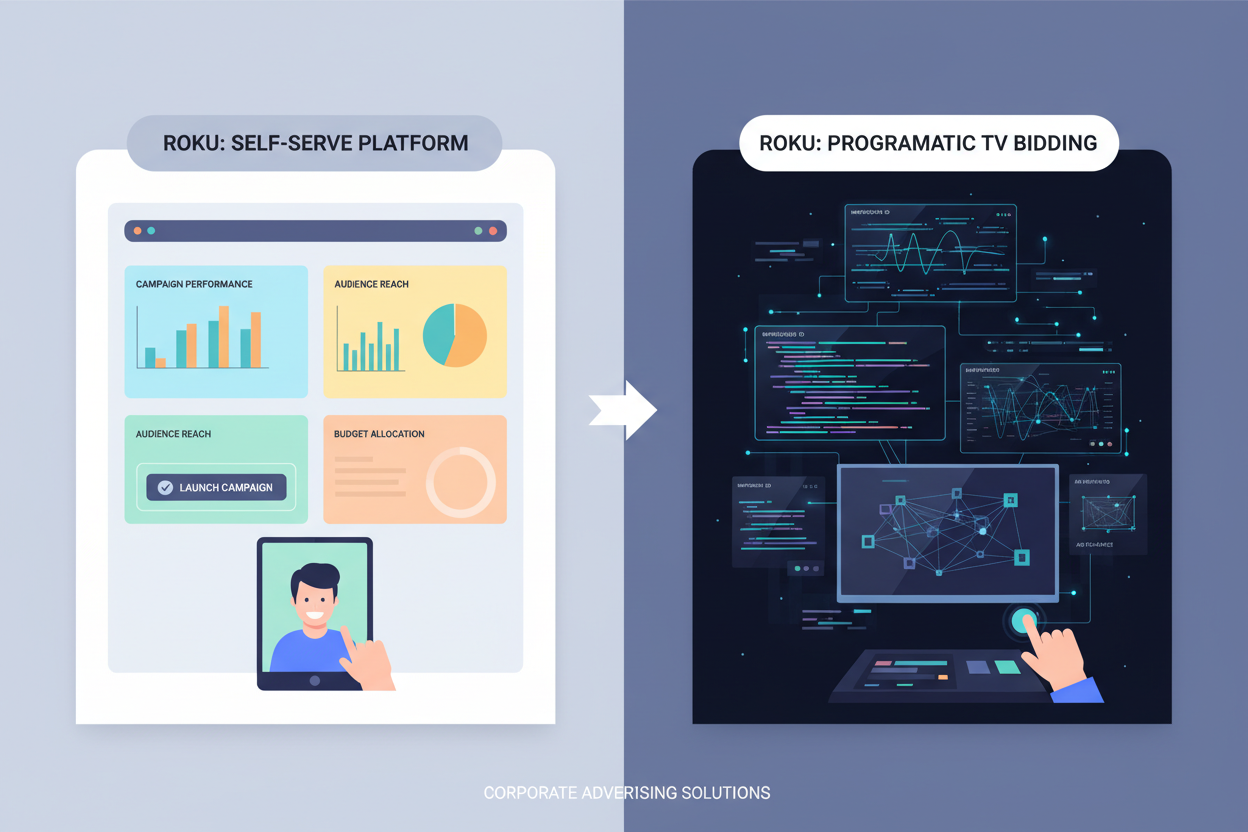
Deciding between a hands-on approach and an automated system was a pivotal moment in my 2024 strategy. I had to choose between Roku’s self-service Ad Manager and their programmatic Ad Exchange. Each of these platforms served very different needs during my journey.
Roku Ad Manager Self-Service Platform
Roku Ad Manager gave me direct control over my strategy. I could create a campaign, set my own budgets, and monitor my results in real-time. This self-service platform worked perfectly for my straightforward advertising goals.
I wanted hands-on management and clear visibility while I learned the ropes. The tool supports standard video ads and home screen banners. It even allows for screensaver ads to reach viewers when they are idle.
I chose this method initially for testing. Understanding the interface myself was vital before I spent a larger budget. It felt like the best way for a solo entrepreneur to stay in the driver’s seat.
Roku Ad Exchange Programmatic Buying
Roku Ad Exchange operates differently by using real-time bidding. On this platform, advertisers compete for ad space in fractions of a second. I found this programmatic approach much better for scaling my reach quickly.
The system uses Roku’s own first-party data to find the right viewers. This targeting power comes from knowing exactly what users watch and when they watch it. It makes finding large audiences across many channels much easier.
While both platforms access the same viewers, the buying method differs significantly. The Exchange offers automation and efficiency for bigger ads buys. I eventually moved some of my budget here once I knew which creatives performed best.
Roku Ad Formats and What Each Costs
I spent several weeks testing different ads to see which one gave me the most bang for my buck. Navigating the various ways to reach viewers was eye-opening because each format serves a different purpose for your budget. I quickly realized that your choice depends on whether you want broad reach or high-impact visibility.
Standard Video Ads
I started with standard video ads because they felt the most familiar and accessible for a smaller budget. These are non-skippable commercials that play during streaming content on apps like The Roku Channel or Pluto TV. You can typically choose between three different lengths:
- 15-second spots for quick, punchy reminders.
- 30-second spots for standard product explanations.
- 60-second spots for deep storytelling or brand building.
Viewers cannot skip these video ads, which ensures your message actually reaches the audience. I found that standard video ads offered the lowest CPM rates during my testing phase. Choosing a standard video format helped me maintain a steady reach without draining my entire monthly budget too quickly.
Marquee Ads and Home Screen Placements
Next, I looked at marquee ads, which are static image placements sitting directly on the roku home screen. These caught my attention because every user sees them immediately when they turn on their television. They are impossible to ignore as people navigate between their favorite apps.
The biggest advantage is that even ad-free subscribers see these ads during their navigation. This placement on the home screen expands your reach far beyond just the ad-supported shows. While I paid a premium for marquee ads, the massive visibility was worth it for my brand awareness. Being on the roku home page made my small business feel like a major national player.
Interactive Ads and Screensaver Options
I also explored interactive ads to see if I could drive more direct engagement with my audience. These formats let viewers interact with the video directly or respond to a specific call to action. It effectively turns a passive viewing experience into an active moment for the customer.
Screensaver options display your message across the entire screen when the device sits idle for a few minutes. This captures attention on the home screen during those quiet moments in a living room. I noticed these often cost more than a standard video because they offer a unique, high-impact environment. I loved how my message filled the whole screen while viewers were deciding what to watch next.
In the end, viewers enjoy high-quality streaming content and generally accept non-disruptive video ads. Balancing these formats allowed me to keep my costs down while still appearing professional.
Factors That Changed My Advertising Costs
My Roku advertising costs changed dramatically based on three main factors I didn’t fully understand when I started. I quickly learned that the initial estimate was just a baseline. Several variables shifted my budget during the year.
How Targeting Specificity Affects Price
Targeting specificity had the biggest impact on my bottom line. The more precise I got with demographics and interests, the higher my CPM climbed. I learned to balance precision with budget constraints. Sometimes I accepted broader audiences to keep my costs manageable.
I found that highly targeted campaigns may cost more initially but often deliver better results. It is important to decide if the niche focus justifies the higher price per impression. I adjusted my strategy to focus on quality over sheer volume.
Seasonal Cost Fluctuations I Noticed
Seasonal fluctuations really surprised me during my first year. I noticed that advertising costs spiked during the Q4 holiday season. I paid 40-60% more per impression in November and December compared to February and March. This happens because holiday advertisers flood the platform and drive up rates.
I now plan my campaign tests for early in the year when prices are lower. This allows me to experiment without draining my budget too fast. Reserving funds for the competitive time of year ensures I stay visible when shoppers are most active.
Ad Format and Placement Premium
The specific format and placement I chose added another layer of cost. For example, home screen marquee ads cost roughly double what standard video ads cost. I started reserving these premium spots for high-value promotions only. I didn’t want to waste expensive real estate on general awareness.
Understanding these factors helped me predict my expenses for advertising Roku content more accurately. It prevented budget surprises in the middle of a month. I became much more strategic about where and when my message appeared to viewers.
| Cost Factor | Financial Impact | Practical Strategy |
|---|---|---|
| Audience Targeting | Higher CPM for Niche | Broaden reach to lower costs |
| Seasonality (Q4) | 40-60% Price Increase | Test new creatives in Q1 |
| Ad Placement | 2x Cost for Marquee | Use video for standard ads |
Roku Targeting Options Worth Paying For
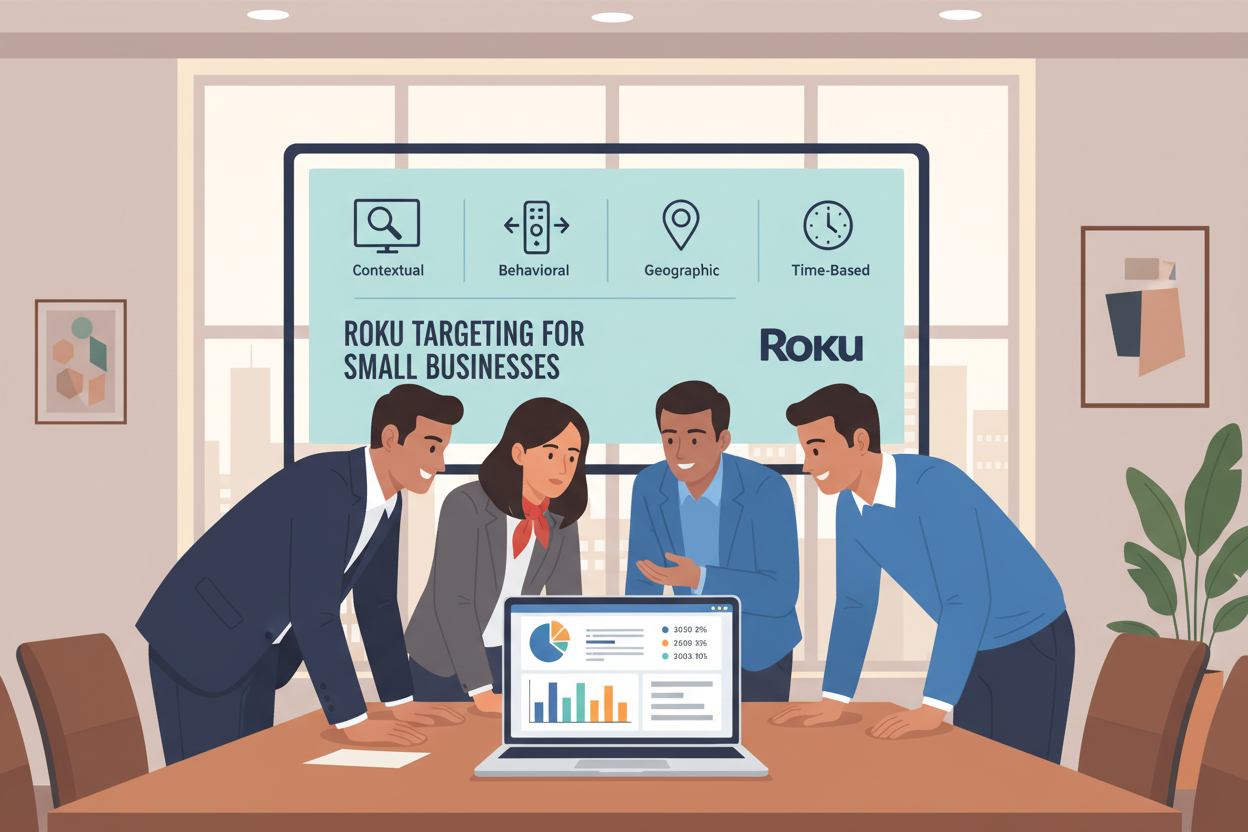
I quickly learned that the real value of Roku ads lies in the granular control you have over who sees your video. The platform offers several powerful targeting strategies that justify the premium price tag. By focusing on specific viewers, I stopped worrying about wasting my budget on the wrong people.
Geographic and Demographic Targeting
My local business needed a narrow focus to be successful. I used geographic options to pinpoint specific ZIP codes and Designated Market Areas (DMAs). This precision helped me avoid wasting money on viewers who lived outside my service area, which is something traditional TV rarely allows.
I also layered demographic filters to refine my reach further. I selected specific age ranges and household income levels that matched my ideal customer profile. Adding these filters helped me reach the exact audience most likely to convert into a sale.
Interest-Based and Behavioral Targeting
Next, I looked at what people were actually watching on their screens. I used interest-based targeting to show my ads during sports and cooking shows. This aligned my brand with the content my audiences already enjoyed every day.
Behavioral data was even more impressive for my campaign goals. Roku tracks shopping habits and purchase intent signals from its many users. I could reach people who were already looking for products like mine, even if they used different devices to browse. This narrowed my audience to high-intent buyers ready to take action.
| Targeting Type | Specific Examples | Best Use Case |
|---|---|---|
| Geographic | ZIP Code, DMA, State | Local service businesses |
| Demographic | Age, Income, Education | High-end luxury goods |
| Behavioral | Purchase Intent, Shopping | E-commerce and retail |
First-Party Data Advantages
The biggest “aha” moment for me came from Roku’s first-party data. Unlike other platforms that rely on shaky third-party cookies, Roku knows its users directly through their accounts. They see actual viewing behavior on every device in the household.
I also used the custom targeting tools to upload my own customer list. This allowed me to exclude current clients and find new “lookalike” audiences. These advanced options made my spending much more efficient and protected my ROI throughout 2024.
Creating Roku Ads on a Budget
When I first looked into Roku, the idea of creating video content was my biggest mental roadblock. I worried that my limited budget wouldn’t allow for the flashy commercials I saw on major networks. However, I soon discovered that you don’t need a massive production team to see success with video ads.
The barrier to entry is much lower than most small business owners realize. I learned that smart strategy and clear messaging often outperform high-gloss production values. By focusing on the right technical specs and using modern shortcuts, I was able to launch my first campaign without breaking the bank.
Technical Requirements You Need to Know
I learned quickly that following specific technical details is non-negotiable for a smooth campaign launch. Roku requires your video to be in a .mov or .mp4 format with a standard 16:9 aspect ratio. I found that frame rates must stay between 23.98 and 29.97 FPS to avoid any playback issues on the platform.
While the platform accepts a minimum resolution of 720x480p, I highly recommend using 1080p for better clarity. Television screens are large, and you want your brand to look sharp and professional to viewers. Most ads on the platform run for 15, 30, or 60 seconds, which are the industry standards.
I personally found that the 30-second mark is the sweet spot for delivering a compelling brand story. It gives you enough time to explain your value without losing the viewer’s interest. Keeping these specs in mind from the start saved me from costly re-editing fees later on.
Low-Cost Video Creation Options
Traditional agencies quoted me thousands for a single commercial, which simply wasn’t a viable options for my business. I turned to AI-powered tools that could transform my existing website content and photos into broadcast-ready files. These modern tools allowed me to create high-quality ads for under $100.
I simply uploaded my logo and product shots, and the software assembled a polished commercial in minutes. Always ensure your text is large enough to read from across a living room. Graphics that look great on a phone can often appear too small on a standard television set.
I also learned to front-load my core message in the first five seconds of the clip. Even with non-skippable placements, you must grab attention immediately to make your budget work harder for you. This approach ensures your brand is remembered even if the viewer looks away for a moment.
My Actual 2024 Roku Ad Budget Breakdown
I want to share my actual Roku advertising budget numbers because real data helps way more than vague estimates. Many small business owners feel nervous about overspending when trying new platforms. I felt that same hesitation when I started.
Seeing real-world numbers is often the best way to manage your own marketing expectations. By being transparent, I hope to show you that a massive bank account isn’t required for success.
Month One Testing Phase
During my first month, I treated the process as an experiment. I spent exactly $400 to see if my message hit the mark with viewers. I didn’t want to waste money, so I split this amount into three audience groups to find the best fit. Each segment received about $133 of the total budget.
This small test for my ads was vital for my long-term strategy. At an average $28 CPM, my month-one spend earned roughly 14,000 impressions. It gave me enough data to see which group of viewers actually showed interest. I learned which creative ideas failed and which ones had promise. This saved me a lot of time and frustration as I moved forward with advertising roku users.
| Phase | Monthly Spend | Total Impressions |
|---|---|---|
| Testing (Month 1) | $400 | 14,000 |
| Active (Months 2-6) | $1,200 | 37,500 (Avg) |
Months Two Through Six Active Campaign
After the initial test, I moved into a full campaign. I felt confident enough to increase my monthly spend to $1,200. This allowed me to focus only on the high-performing groups I found earlier. My average CPM went up slightly to $32, but the results were much better because the targeting was precise.
I watched my performance closely every week. If a specific campaign saw a dip in engagement, I pulled back the funds to save money. During high-conversion weeks, I bumped the spending up to maximize my ads and their reach.
Over six months, I spent a total of $6,400 on this project. This campaign delivered about 37,500 monthly impressions and stayed within my comfort zone. Seeing these numbers helped me realize that roku advertising is accessible for smaller players. My performance data proved the investment was worth it.
How I Measured ROI and Performance
Measuring success on a TV screen felt different than tracking simple website clicks. I had to change my mindset to understand how these ads impacted my business growth. It was about looking at the big picture rather than just a single click.
Key Metrics That Mattered Most
I focused on specific data points to judge my performance. I tracked impressions and reach first to see how many unique households saw my message. It was vital to know if viewers actually watched the whole ad or just looked away.
I consistently saw a completion rate between 92% and 95%. This was a huge win for my small business. It meant almost every one of the viewers who saw my ad watched it until the end.
I also kept an eye on frequency to stay helpful without being annoying. I aimed for 3 to 5 exposures per household during the campaign. Seeing these numbers gave me the confidence that my budget was reaching the right people.
| Metric Type | My Target Goal | Actual Result |
|---|---|---|
| Ad Completion | 90% | 94% |
| Frequency | 3-5 Views | 4.2 Views |
| Household Reach | 10,000 | 12,450 |
Attribution Methods I Used
Since you cannot click a TV screen, I used creative ways to see if people took action. I monitored website traffic spikes during each campaign window. Comparing this traffic to my normal baseline helped me see the real results.
I also watched my brand search volume on Google. When more people searched for my business name specifically, I knew the ads were working. This showed that my message was sticking in their minds.
I created Roku-specific promo codes so I could attribute sales directly to the television spots. Finally, I added a survey at checkout to ask how they heard about us. The increase in people mentioning my commercial provided the hard data I needed.
“The most important part of any marketing spend is knowing exactly what it bought you.”
Costly Mistakes I Made and How to Avoid Them
I made three expensive mistakes during my Roku advertising journey, and I’m sharing them so you can skip the learning curve. My goal is to keep your budget safe while you scale your small business. Experience is a great teacher, but it doesn’t have to be expensive for you.
Every dollar counts when you are a solo founder or a small team. Seeing a budget disappear without results is painful. Learning from these specific errors will help you protect your investment from day one.
Targeting Too Broadly at First
I wasted 30% of my initial budget reaching people who had zero interest in my brand. I thought casting a wide net would help me gather data faster. It actually just burned cash showing my advertising roku message to irrelevant viewers.
I should have started with tighter targeting based on my existing customer demographics. Guessing who might be watching is a recipe for waste. Narrowing your reach ensures your message hits people who truly care about your product.
Choosing the Wrong Ad Format
I picked premium marquee ads for a direct-response campaign when I should have stayed with standard video. While marquee options look impressive on the home screen, they are usually better for brand awareness. I needed immediate sales and clicks.
Standard video ads placed within the content are often more effective for driving action. Choosing the wrong format cost me both money and a month of potential growth. Always align your placement choice with your specific business goals.
Not Testing Creative Variations
I ran the same ads for eight weeks before trying any alternatives. This mistake wasted precious time and limited my results. I eventually found that a second creative version outperformed my original by 40%.
Now, I always use A/B testing for my advertising efforts. Comparing different messages and calls to action helps you find the winning ads much faster. Never assume your first idea is the best one for your audience.
Conclusion
After spending $6,400 to reach millions of users, I’ve seen firsthand how advertising roku changes the game for small businesses. My six-month journey proved that streaming TV advertising isn’t just for companies with unlimited budgets. You can now reach viewers on the biggest screen in their home for as little as $50 through aggregator platforms.
Roku advertising gives you direct access to over 81 million active accounts that control 47% of U.S. TV streaming time. I found that standard video ads delivered the best performance for my budget. By using specific targeting, I avoided wasting impressions on the wrong audience.
This precision is why roku ads are so effective for modern marketers. CPM rates typically range from $20 to $60 depending on your specific details. I used data to adjust my video content and timing on the platform.
Whether you use marquee ads on the home screen or focus on the roku channel, the tools are available to everyone. It is time to take action and start building your brand. Many streaming services offer different factors for success.
I recommend testing your 15, 30, or 60-second video creative across different roku devices. Don’t let the fear of technical services or roku ads stop you. Reach a massive audience on a roku device and watch your brand grow within the roku channel.
My experience shows that roku advertising works when you match the right message to the right audience. Successful roku ads require constant learning and adjusting based on reach and results. Start your journey today via the roku channel or other favorite channels.
You can reach viewers on devices through multiple streaming platforms. Every roku home is a potential connection for your business. Use roku ads and these channels to find your users where they already spend their precious time.
Finalize your advertising strategy by focusing on clear metrics. Roku advertising is more than just ads; it is a way to tell your story. Explore new channels and stay ahead of your competitors.
