
I once struggled figuring out how to buy streaming tv ads without feeling like I was throwing cash into a furnace. Staring at my laptop screen, I felt completely lost among the endless options and high prices. It truly seemed like a game reserved only for massive corporations.
Now, over 240 million U.S. viewers will join digital video services by 2025. Every major service now features lower-cost tiers for advertising. Amazon Prime Video alone reaches 200 million people monthly.
Their audience stays loyal, which makes your advertising more effective. I’ve tested these platforms and learned that a small budget goes far. You can skip expensive experiments by focusing on commercials that hit your specific audience.
Success comes from being smart with your spend on digital platforms. I will show you which media options offer the best return. Advertising this way ensures you reach real people instead of wasting cash.
Key Takeaways
- US OTT audience will exceed 240 million by 2025.
- Major services offer tiers for small business budgets.
- Amazon Prime Video provides high engagement with low churn.
- Targeted campaigns stop money waste on wrong viewers.
- Self-service options put you in control of spending.
- Digital media reaches real people for less cost.
What Are Streaming TV Ads
I used to assume that TV commercials were only for big brands with massive budgets, but streaming changed everything. These ads are digital video messages delivered over the internet directly to viewers. Because they use modern data, they are often much more affordable for small businesses like ours.
Most of us have replaced traditional cable with apps on our televisions. This shift allows us to place commercials exactly where people are already watching. It combines the visual impact of a big screen with the precision of digital marketing.
OTT vs CTV Advertising
The industry uses many technical terms, but the concepts are actually quite simple. OTT advertising refers to the delivery of video content over the internet, bypassing traditional cable or satellite providers. You see this when you watch shows on platforms like Hulu, Disney+, or Amazon Prime.
In contrast, ctv advertising refers specifically to the physical device used to watch that video. This includes smart TVs, Roku boxes, or gaming consoles like a PlayStation. I have found that knowing this difference helps you understand exactly how your advertising dollars are being spent.
| Term | Definition | Common Examples |
|---|---|---|
| OTT | The delivery service | Hulu, Tubi, Pluto TV |
| CTV | The physical hardware | Roku Stick, Smart TV |
| Linear | Old-fashioned TV | Cable or Satellite |
How Streaming Ads Reach Your Audience
The real power of streaming lies in how you can target a specific audience. Instead of paying to reach everyone in a zip code, you only pay for people who actually care about your services. This might include local parents, fitness enthusiasts, or recent home buyers.
The platform tracks viewing habits and locations to show your ads during natural breaks. Your message appears right before or during the content the viewer has chosen. This smart approach to advertising ensures you do not waste money on people who will never buy from you.
Amazon Prime Video Advertising

I’ve found that Amazon Prime Video offers some of the most powerful tools for small business owners today. It is a massive platform that reaches over 200 million monthly viewers. Unlike other services with high churn, this one keeps users loyal with an 8% churn rate.
Overview
Amazon recently changed the rules of streaming. They made ad-supported advertising the default for all Prime members. This shift turned them into one of the largest players in OTT advertising almost overnight.
Pros
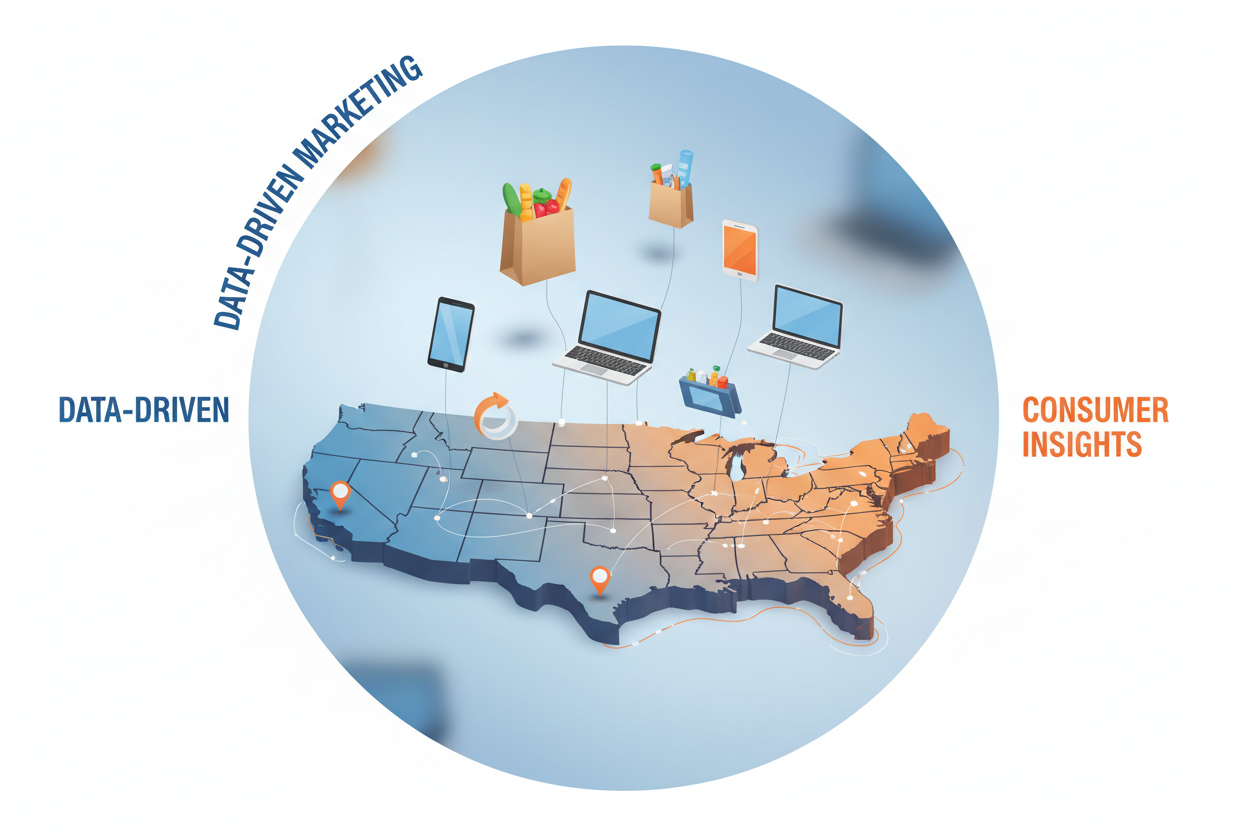
The biggest win here is the shopping data. Amazon connects your ads to real habits from their site and Whole Foods. This allows for precise targeting that other apps simply cannot match.
I have seen huge success with this specific audience targeting. You place your brand next to premium content and live sports. This means you reach people who are already in a buying mindset.
The data shows that viewers experience less fatigue here. There are fewer ads compared to regular TV. You also get a targeting system that focuses on actual purchase behavior instead of just guesses.
Cons

However, the learning curve is steep. You often need a significant budget or an expert to run successful campaigns. This platform is not the easiest for a total beginner to navigate alone.
I learned the hard way that the reporting can be overwhelming. There is so much information that it is hard to know what matters. It takes real time to master their complex system.
Best For

This is perfect if you already sell products on Amazon. It helps you expand your reach and find new customers quickly. If you have e-commerce experience, you can easily connect ad views to actual sales.
I recommend it for brands that want to scale their campaigns with precision. It is ideal for awareness but requires an investment in learning. If your budget is very tight, start with smaller tests elsewhere first.
Hulu and Disney+ Ads

Stepping into the world of Hulu and Disney+ advertising might seem intimidating, but these platforms provide a unique gateway to premium audiences.
Overview
Disney+ and Hulu combined provide access to over 100 million subscribers. Since Disney owns both services, you can often find your viewers on both platforms within a single setup.
Disney recently launched a super app that brings both libraries together. This means your message can live alongside family favorites like Marvel and Pixar, as well as current TV hits.
Pros
What I love about this duo is the incredible content quality. Disney+ gives you families watching together, while Hulu attracts adults following their favorite weekly dramas.
Brand safety matters more than you might think. If you sell healthcare or family products, you cannot risk your ads appearing next to controversial or low-quality clips.
These services offer a safe, premium environment for your brand. It is a space where viewers are already engaged and happy with what they are watching.
Cons
However, I have noticed some challenges lately. Disney now favors direct supply paths for their inventory, which can make it tricky for smaller businesses to buy space.
This shift makes it harder for some small advertising efforts to grab inventory without help. You are also managing two different platforms with different audience needs.
Best For
Your creative messaging for a Pixar fan might differ from a Hulu drama viewer. If your business targets parents or kids’ products, Disney+ is one of the best spots to reach them effectively.
Hulu works better if you want to find adults who ditched cable but still love their weekly shows. Check out my guide on how to buy OTT advertising to start building your first campaigns.
I recommend these ads for anyone who values reputation over the cheapest possible price. Using high-quality content to find your audience helps your campaigns stand out in a crowded market.
Netflix Advertising

Overview
For years, I watched Netflix as a consumer, but now the Netflix ads platform allows us to reach their 40 million ad-supported subscribers. This advertising opportunity is relatively new and continues to evolve every month. It places your business alongside award-winning originals and blockbuster films that people love.
The system currently serves a diverse, global ads environment across all age groups. It provides a very clean, premium feel that differs from traditional cable. I’ve found that the entry point is becoming more accessible for growing businesses.
Pros
The biggest advantage of Netflix is the premium content. People are fully engaged when they binge-watch their favorite shows, so they actually pay attention to your brand.
The ad load is also much lighter than regular TV. This means your ads stand out because they aren’t buried in a long string of commercials. It creates a receptive atmosphere for your message.
Cons
Right now, the targeting is still quite basic compared to Amazon or Roku. You are mostly limited to choosing basic demographics like age, gender, or show genres.
If you need deep reach data or cross-device retargeting, this platform isn’t quite there yet. I’ve noticed it lacks the detailed attribution modeling that performance marketers usually crave.
Best For
I believe Netflix is best for advertising campaigns that focus on brand awareness and recall. It is a fantastic way to build trust by associating your name with high-quality production.
If you want a massive audience to remember your name, this is a great move. However, I’d wait on Netflix if you need to track every single dollar directly back to a sale.
FAST Platforms: Tubi, Pluto TV, and The Roku Channel

Have you ever wondered how to reach audiences who have ditched cable but do not want to pay for every single app? FAST stands for Free Ad-Supported Streaming TV. These platforms are completely free for viewers, which makes them very popular right now.
Because the service is free, people watch more ads to pay for the library of content. This creates a low cost entry point for businesses like ours with smaller budgets. I often suggest these for your first advertising campaign because the CPM usually stays between $10 and $20. This is a huge win for any streaming strategy.
I recommend starting with these if you want to test your message without a massive commitment. You can learn what works before you scale up your spending. These services offer meaningful reach and better targeting than traditional local television.
Tubi
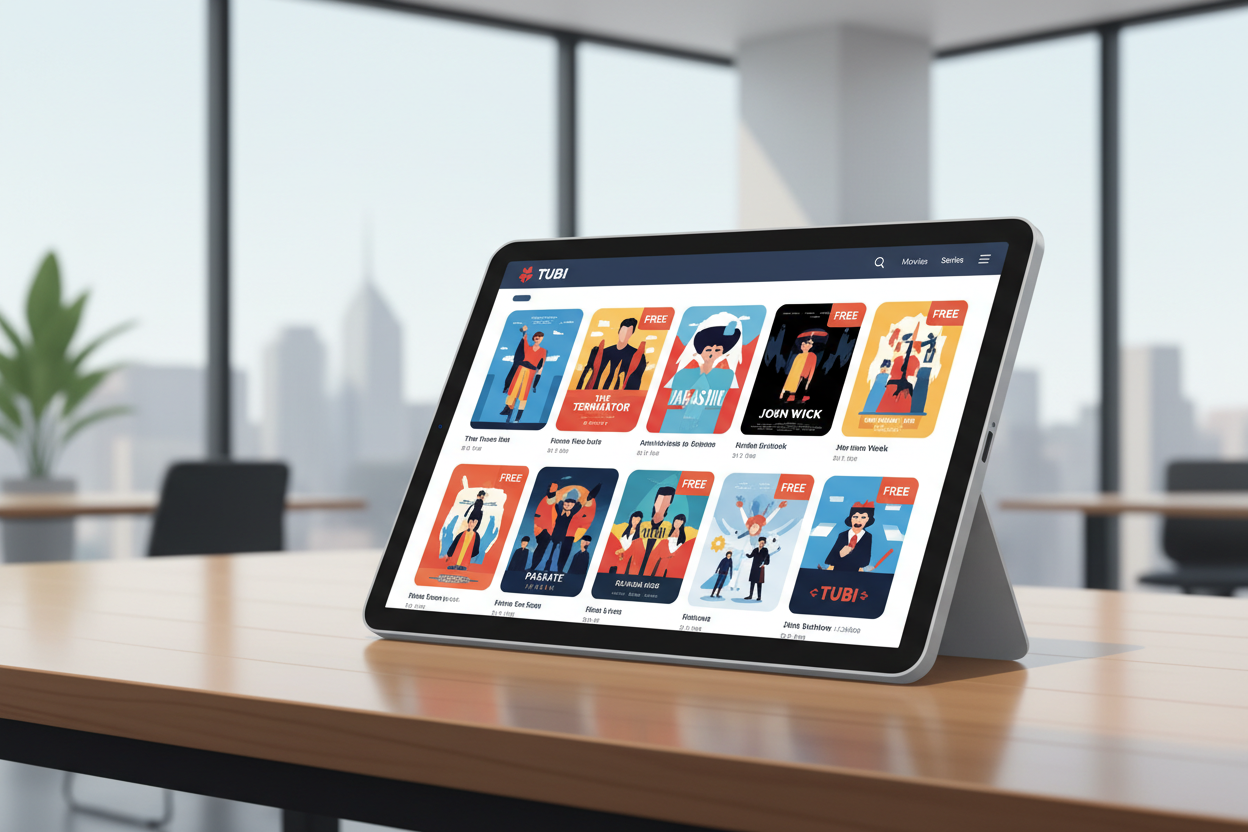
Tubi has quietly become a giant in the market. Fox owns this service, and it now captures 1% of all streaming time in America. I love that it has a massive library from studios like MGM and Warner Bros. Discovery.
The service keeps viewers engaged with smart discovery tools. This means your ads appear while people are truly paying attention to their shows. It is a great way to get your brand in front of a massive group without breaking the bank.
Pluto TV
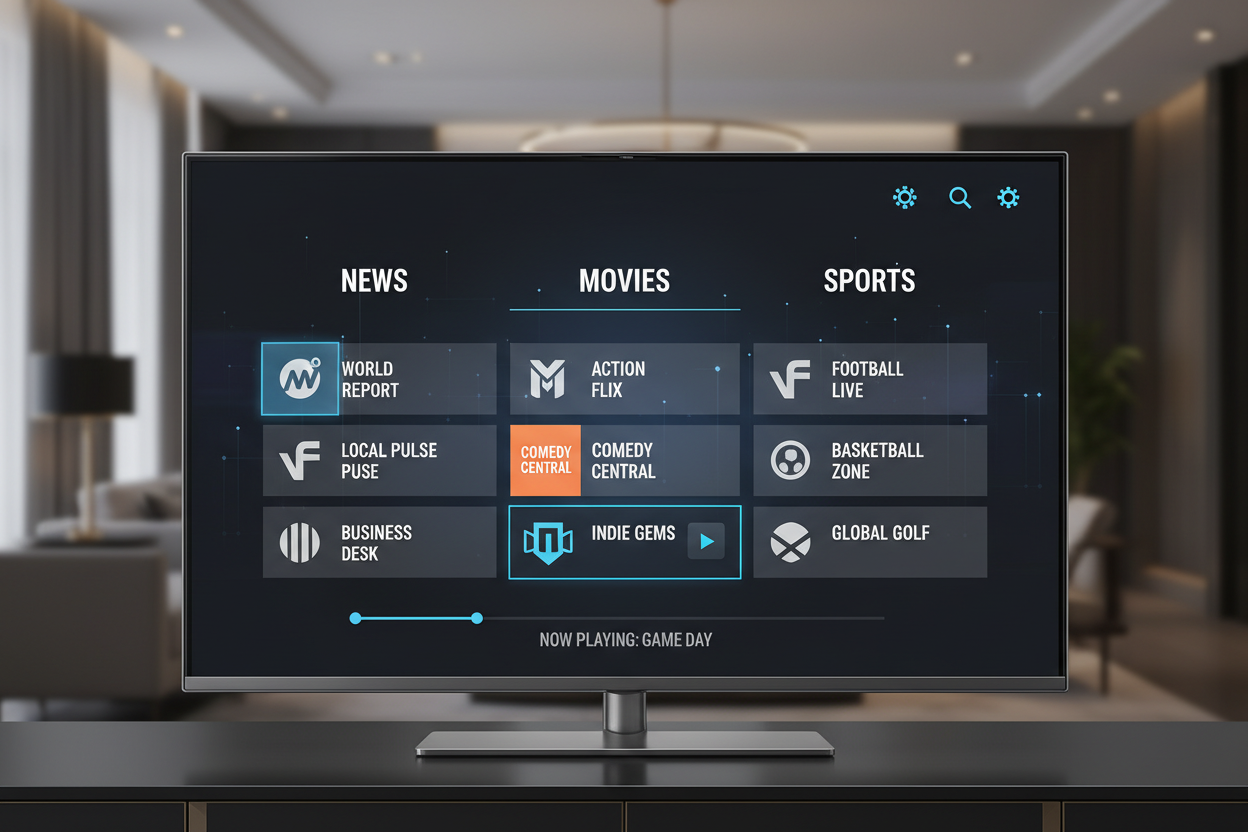
Paramount launched Pluto TV in 2014, and it now earns over a billion dollars in annual advertising revenue. This is one of my favorite platforms for reaching specific niches. It offers more than 250 linear channels covering everything from gaming to anime.
I especially like it for reaching diverse groups. They have extensive Spanish-language programming and high-quality content for various demographics. It feels like traditional TV but lives entirely on the internet.
The Roku Channel
The Roku Channel is a powerful tool because it sits right on the home screen of Roku devices. It features over 350 channels and a growing list of original shows. This gives your brand automatic visibility the moment someone turns on their television.
These platforms work best for local businesses and e-commerce brands. You get more targeting options than traditional cable. It is the perfect place to test your message and see real growth.
Sports-Focused Platforms: FuboTV and Sling TV
Reaching live audiences used to require a massive cable budget, but FuboTV and Sling TV have changed the game for small businesses. These platforms offer a direct line to fans who are emotionally invested in every play. I have found that this emotional connection makes your message much more memorable.
What makes sports advertising so powerful is the real-time nature of the content. People watch live games as they happen, so they rarely skip your ads. This means you are talking to an audience that is actually paying attention to the screen.
FuboTV
FuboTV is my top choice for reaching people who want live sports without a heavy cable bill. It features an extensive lineup of major sports channels alongside news and lifestyle programming. The audience here is highly active and stays tuned in for long periods.
I really like how they have introduced new creative formats recently. You can now use interactive ads, pause ads, and marquee carousels to catch a viewer’s eye. These options give you more ways to connect than a standard video spot ever could.
This high level of engagement is perfect for businesses like auto shops or insurance agencies. You are reaching viewers when they are most excited and focused on the action. It creates a “halo effect” where the excitement of the game rubs off on your brand.
Sling TV
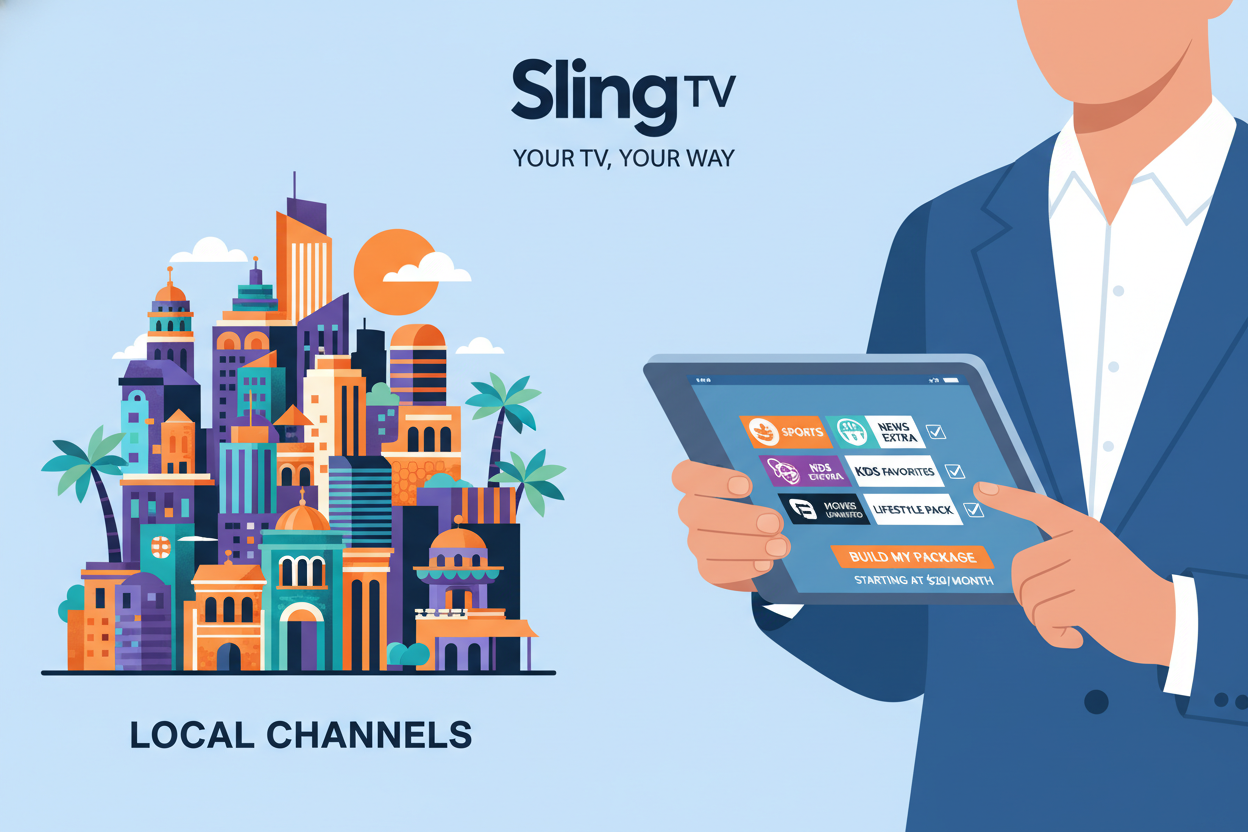
Sling TV takes a different approach by offering flexible a la carte channel packages. This helps your advertising budget because you can target people based on the specific niche channels they actually pay for. You aren’t paying for ghost viewers who never watch the channel.
I’ve seen great results for local businesses using Sling because it provides local access in many markets. You can run regional campaigns and avoid paying for national reach that you do not need. It is a very efficient way to keep your costs low while staying relevant.
The budget-conscious cord-cutters on these platforms still want live events and news. They are often very open to discovering new brands that offer engagement and genuine value. If your business connects to sports culture, the higher response rate often justifies the investment.
Self-Service Platforms: Vibe.co and Thumbvista
I remember when streaming ads felt out of reach, but these self-service platforms have finally leveled the playing field. You don’t need to hire a fancy agency or commit to huge monthly spends to see your brand on TV. These tools allow you to manage your own advertising with total control and transparency.
Vibe.co
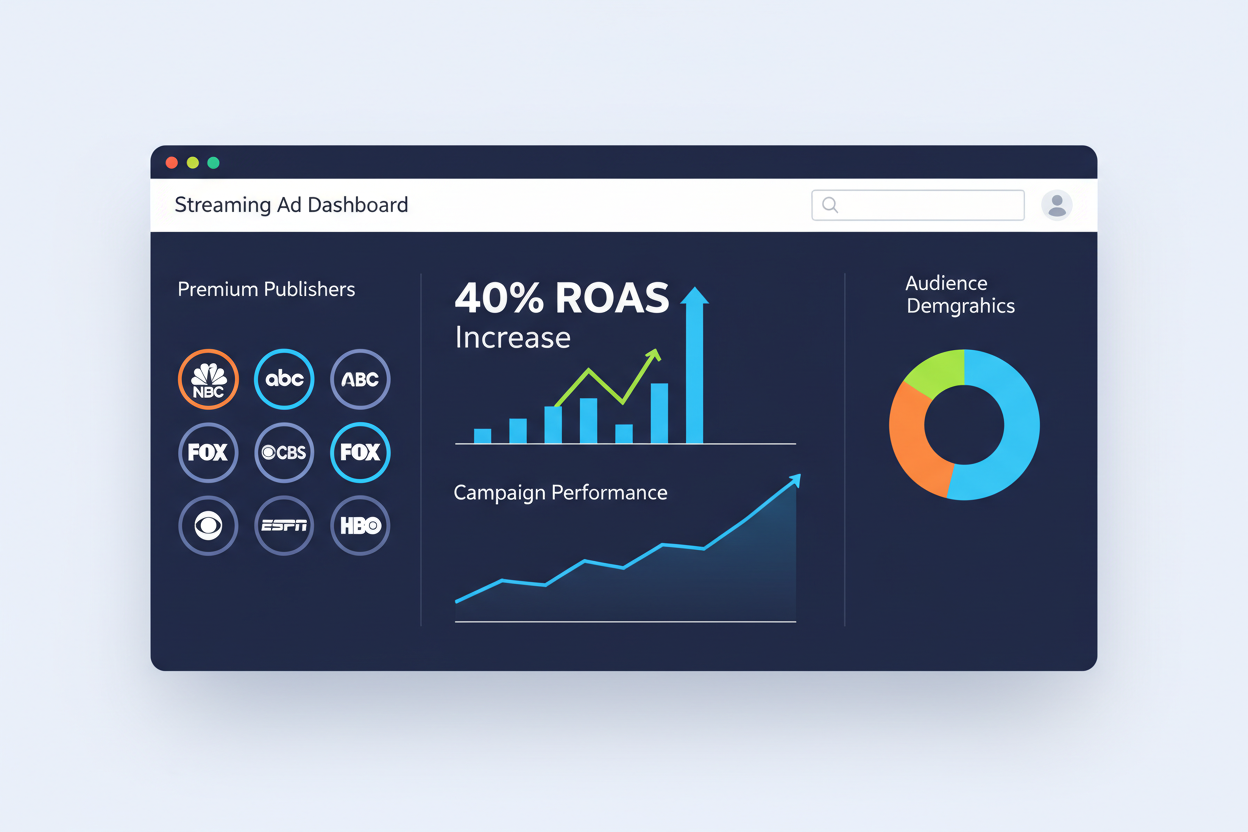
Vibe.co is a platform I’ve seen deliver impressive results for growth-minded owners. Data shows they drive 40% higher return on ad spend compared to many traditional competitors. They use smart AI to optimize your campaigns across more than 200 premium publishers.
What I love about Vibe.co is the sheer access they provide through over 843 deal IDs. It outperforms bigger names like MNTN or TheTradeDesk by offering better targeting and verified measurements. It is one of the best options if you want powerful tools and full cross-platform visibility.
Thumbvista
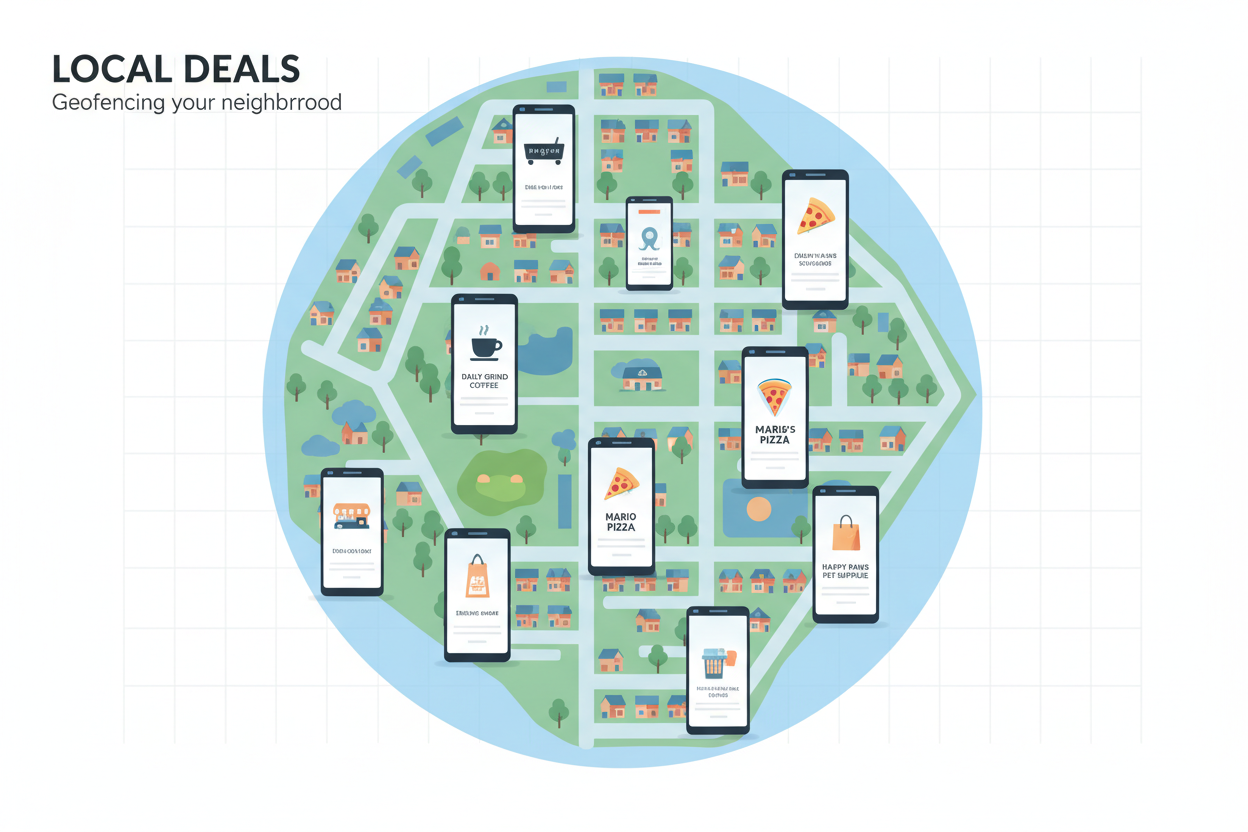
Thumbvista takes a more supportive approach to help you get started without feeling overwhelmed. They specialize in media buying and offer expert guidance from your first plan to your final report. Their team helps you define goals and choose the right tools for success.
I really appreciate their geofencing capabilities, which are perfect for local businesses. You can target specific neighborhoods or cities to keep your pricing efficient and your reach relevant. They walk you through creating ads and monitoring performance so you never feel left alone.
Why Self-Service Matters for Small Budgets
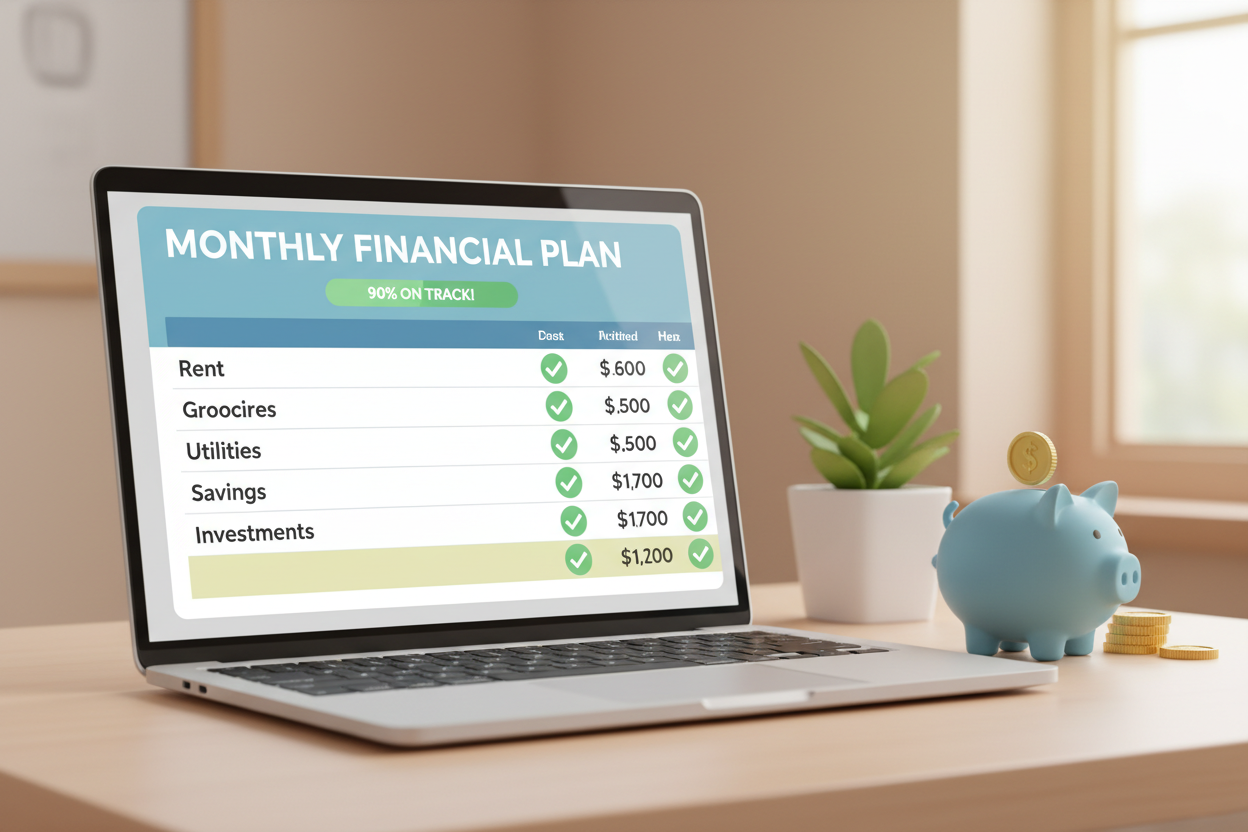
When your budget is tight, you cannot afford to waste a single dollar on hidden fees. Self-service options provide the pricing transparency you need to stay profitable. You can see the exact cost of every impression and adjust your campaigns in real-time.
These platforms usually have much lower minimum entries than direct network deals. This makes it much easier to get started and test what works before you scale up. Taking charge of your advertising budget is the fastest way to grow your business on your own terms.
How to Buy Streaming TV Ads: Step-by-Step Process
I remember feeling overwhelmed the first time I looked at a streaming ad dashboard, but the process is actually quite logical. You don’t need a massive team to run a professional commercial. I found that following a repeatable system helps you avoid mistakes and keeps your advertising costs low while reaching the right people.
Define Your Campaign Goals
The first thing I do before spending a dollar is write down exactly what I want to happen. Are you looking for more website visits, store traffic, or just brand awareness? Your goal determines everything else, so don’t skip this step. Clear goals help you measure if your campaign actually worked later on.
Identify Your Target Audience
Next, I get specific about who I am trying to reach. I don’t just target “everyone.” I look for actual details like parents in my city who care about organic food. Knowing your target audience ensures your message lands in front of people who genuinely need your product.
Choose Your Platform
Choosing your platform comes down to matching where your customers spend their time. I don’t just pick the biggest name; I pick the one my audience uses most. You can learn more about specific services in this how to buy OTT advertising – a beginner’s to help you get started.
Set Your Budget
Setting your budget requires honesty about what you can afford to test. I started with just a few hundred dollars to see what worked before committing more. Most self-service tools make it easy to control your spending daily so you never go over your limit.
Create Your Ad Creative
Creating your ads is where many small businesses get stuck. You don’t need a Hollywood production. A clear 15-30 second video with good lighting and a simple message works fine. Authenticity often beats high production value in the world of streaming content.
Launch and Monitor
Once you launch, check the performance data every few days. I always plan to make adjustments after the first week based on what the numbers show. If a specific platform isn’t performing, I move that money to a streaming service that is driving results. Successful advertising is all about learning and scaling gradually.
- Write down specific goals like “100 new website visits.”
- Use demographic data to narrow your reach.
- Start with a small test budget to minimize risk.
- Track results and adjust your campaign every week.
Targeting Strategies That Maximize Your Budget
I have found that the secret to a successful streaming campaign isn’t the size of the check, but how well you aim. Most businesses throw money at big audiences and hope for the best. Instead, I focus on precise targeting to ensure every dollar reaches a potential buyer.
Using data effectively lets you cut out waste from your campaigns immediately. When you show your message only to people who actually care, your costs drop. It is better to reach a few right people than many wrong ones.
“Half the money I spend on advertising is wasted; the trouble is I don’t know which half.”
Demographic Targeting
This is the most basic form of audience targeting for any business. You can select specific demographics like age ranges, gender, and household income levels. While this is not super precise on its own, it stops you from wasting money on people who would never buy from you.
I have learned to combine at least two or three demographics instead of just one. For example, I might target “women aged 35-54 with household income over $75k.” This specific layer significantly cuts down on ad waste.
Geographic and Local Targeting
Geographic targeting is a lifesaver for local business owners. You can limit your ads to specific cities, regions, or even certain zip codes. This ensures you are not paying to reach people three states away who cannot visit your store.
I often suggest using geofencing to target very specific neighborhoods. If your customers live within a ten-mile radius, only show ads to that area. This keeps your performance high and your budget safe.
Behavioral Targeting
This strategy uses data about what people watch and do online to find interested viewers. If you sell gym equipment, you can target viewers who watch fitness content. The platforms with the best targeting give you access to real shopping data and purchase history.
It helps you find people who are actively in the market for your products. I always prefer tighter targeting even if it limits total reach. Showing an ad to 10,000 right people is better than 100,000 wrong ones.
Retargeting Strategies
Retargeting is a powerful way to reach audiences that already interacted with your brand. These people might have visited your website or clicked a previous ad. Since they already know you, they are much more likely to convert than a cold lead.
Focusing on these campaigns allows you to see clear performance gains over time. Precise targeting means you can see exactly which groups respond and which do not. Use this information to refine your approach and stop spending on what fails.
| Targeting Type | Main Focus | Best For |
|---|---|---|
| Demographic | Age, Gender, Income | Broad filtering |
| Geographic | Location, Zip Codes | Local businesses |
| Behavioral | Interests, Habits | Niche products |
Avoiding Common Budget-Wasting Mistakes
Avoiding expensive pitfalls is the fastest way to make your streaming budget actually produce a return. I learned this the hard way by spending my first budget on a single idea that failed. Developing a smart strategy means learning from these frequent slips so you don’t have to pay for the same lessons.
Poor Audience Targeting
The biggest money-waster I see is businesses targeting way too broadly. You might think more reach equals better results, but that is rarely true. When you use broad targeting, you end up paying to show ads to people who simply do not care about your product.
Wrong Platform Selection
Picking the wrong platform happens more often than you would think. Many people choose a service like Netflix because it is famous. Instead, ask if your actual audiences watch there or if a more affordable option fits your customer’s habits better.

Ignoring Performance Metrics
I have watched businesses blow through their entire budget without ever looking at the data. Performance metrics only help if you actually take the time to understand them. You must know what the numbers mean for your specific campaigns to see if they are working.
Using Low-Quality Creative
Low-quality creative kills a campaign before it even starts. Viewers judge your business based on the look of your ad. In my experience, a poorly made video makes you look unprofessional, regardless of how much experience you have in your industry.
Not Testing Multiple Approaches
Putting your whole budget into one strategy is a massive gamble. The best way to get results is to split your initial budget across two or three different campaigns. This targeting test lets you compare what actually works before you commit all your funds.
The most expensive way to advertise is to assume you already know what your audience wants without testing it first.
| Common Mistake | Risk Level | Actionable Solution |
|---|---|---|
| Broad Targeting | High | Use niche interest filters |
| Ignoring Data | Critical | Review metrics weekly |
| One-Ad Strategy | Medium | Run A/B creative tests |
| Poor Video Quality | High | Invest in basic lighting |
Conclusion
I believe every small business can find success on the small screen if they choose the right path. Experts predict over 240 million OTT users in the U.S. by 2025, making streaming advertising a massive opportunity. You do not need a huge corporate budget to see real results from your video campaigns.
Today, various platforms exist to help you reach your specific audience without high entry costs. From premium services to FAST platforms, these options are more accessible than ever before. I’ve found that self-service tools empower you to manage your own ads with total confidence.
Your strategy should focus on testing small and scaling what works for your brand. Success comes from choosing the right environment, using sharp targeting, and monitoring your performance daily. Don’t let the complexity of modern media stop you from reaching viewers today.
Start by picking one service and launching a simple set of streaming ads. The landscape of digital advertising is changing fast, so jump in and start learning now. Your future customers are already watching; it is time you showed up on their screens.
