
Did you know 29% of new ventures fail because they run out of cash? A major reason is overspending on flashy, ineffective marketing.
I’ve been there. You believe in your product, but every dollar in your budget feels precious. The pressure to grow while conserving funds is real.
This guide cuts through the noise. I’ll show you five affordable advertising channels that actually work for early-stage companies. You don’t need a fortune to build traction.
Smart promotion is about focus, not funds. For instance, the principles in this advertise your cleaning business for free guide apply to many local business models. The right platform can connect you with customers without draining your runway.
Key Takeaways
- Cash flow is critical; inefficient ad spend is a common pitfall for new businesses.
- Effective promotion is possible on a tight budget with focused strategies.
- This guide provides five practical, affordable advertising options for startups.
- Choosing the right platform depends on your specific audience and resources.
- You can generate leads and build brand awareness without a massive marketing budget.
- Learning from similar, low-cost campaigns (like free local business advertising) offers valuable insights.
- The goal is a strong return on every dollar you invest in growth.
Understanding Budget-Friendly Advertising for Startups
I’ve seen too many entrepreneurs waste precious money on the wrong marketing tactics. Limited funds are a hurdle, but advertising on a budget is not only feasible—it’s essential for a new business. The three biggest pitfalls? Copying big-brand playbooks, spending without a clear plan, and not tracking what actually works.
Budget-friendly promotion isn’t about cheap tricks. It’s about spending smart on channels that deliver measurable results. You need direct response that converts, not vague brand awareness. Every dollar must reach people who need your solution.
Smart advertising starts with knowing your target customers intimately. I’ve watched companies burn cash by launching campaigns without clear goals. The good news? Today’s digital tools let you test small, learn fast, and scale only what works.
| Common Pitfall | Why It Fails | Smart Alternative |
|---|---|---|
| Copying Big Companies | Their brand-awareness campaigns need huge budgets and time you don’t have. | Focus on direct-response tactics that drive immediate action from your audience. |
| Spending Without Strategy | Throwing money at ads without targeting or tracking leads to clicks, not customers. | Define clear goals, target precisely, and track every dollar from click to conversion. |
| Flying Blind on Results | Impressions don’t pay bills. Not knowing which ads generate revenue wastes resources. | Use analytics to see which efforts bring paying customers or qualified leads. |
Your job is to avoid these traps. Find effective ways to connect with your audience without draining your runway. Focus on what moves the needle for your small business.
Leveraging Social Media Platforms
I built my first venture’s early following without spending a dime on ads, purely through smart social media use. These platforms give you direct access to your ideal customers. The trick is picking the right ones.
Your audience lives online. A local shop might find its people on Instagram. A B2B service connects on LinkedIn. Focus your energy where it counts.
Using Facebook and Instagram Effectively
Facebook excels at building communities. Join or create groups related to your industry. Engage directly with people who care about your niche.
Instagram demands strong visuals. Use high-quality photos and short videos if your product looks good. Relevant hashtags help new customers discover your content.
Strategies for Twitter and LinkedIn Engagement
Twitter (now X) is about conversation. Jump into trending topics relevant to your brand. Share valuable insights and connect through tweets.
LinkedIn is essential for B2B. Share industry articles and case studies. Join professional groups to connect with decision-makers. Establish your expertise by engaging in discussions.
Start with just two platforms. Show up consistently with helpful content. The goal is trust, not virality. Use free tools like Buffer to schedule posts and manage your presence efficiently.
Optimizing Your Google Business Profile for Local Reach
One of the fastest ways to attract local customers is by claiming your free Google Business Profile. This tool is your digital storefront on Google Maps and in local search results. It shows your hours, photos, and contact details instantly.
I helped a local bakery get its first online orders simply by verifying their listing. The process takes minutes. Google sends a postcard, calls, or emails to confirm your business.
Updating Business Information and Visuals
Once verified, fill every section completely. Accurate details build trust. Include your address, phone number, website, and a clear description of your service.
Upload high-quality photos. Show your product, team, or location. Visual content dramatically increases clicks to your site.
Post regular updates about new offers or events. This keeps your profile fresh in search. Respond to all reviews promptly. It shows you value feedback.
Think of this as the foundation for any local advertising campaign. A strong profile supports all other efforts.
| Profile Element | Optimization Action | Local Search Impact |
|---|---|---|
| Business Info | Complete all fields with precise data. | Boosts visibility for “near me” queries. |
| Photos | Add multiple high-resolution images. | Increases click-through rate by up to 42%. |
| Reviews | Respond professionally to every review. | Builds credibility and improves ranking. |
| Posts | Share updates at least once a week. | Keeps your brand active and relevant. |
Your profile works for you 24/7. It turns local search into direct contact. Start here before spending money elsewhere.
Online Directories and Their Impact on Visibility
I once helped a client get their first ten customers purely from a Yelp listing they’d forgotten to claim. Online directories are powerful digital signposts.
They create a footprint for your business across the web. This makes it easier for potential customers to find you.
Major search engines like Google trust these platforms. Consistent listings boost your local search rankings dramatically.
Your name, address, phone number, and website must match everywhere. Inconsistencies confuse both customers and the search engine algorithms.
Focus on directories relevant to your services. Yelp is great for reviews. Bing Places manages your presence on Microsoft’s search site. Foursquare helps with local discovery.
| Directory Platform | Key Action | Primary Benefit |
|---|---|---|
| Yelp | Claim profile & encourage reviews | Builds social proof and local trust |
| Bing Places | Verify and complete business info | Expands visibility beyond Google search |
| Foursquare | Add detailed location data | Captures mobile and discovery-based traffic |
| All Directories | Use identical NAP (Name, Address, Phone) | Strengthens local SEO and credibility |
Add photos and a clear description. This gives people more reasons to choose you.
Spend an afternoon setting this up. These free listings work for you around the clock.
Engaging with Online Communities to Build Trust
I gained my first dozen clients by answering questions in a subreddit, not by buying ads. Online communities are where your audience gathers to talk about their problems. Your goal is to join these conversations and provide real help.
This builds a foundation of trust that money can’t buy. People remember those who offer solutions.
Participating in Forums and Groups
Start with platforms like Reddit or Quora. Find groups related to your industry. Read the rules and understand the culture before posting.
Your role is a helpful member, not a salesperson. Answer questions with detailed, useful information. Share resources without pushing your product.
I’ve seen businesses gain loyal customers just by being active in relevant forums. Consistency matters more than volume.
Sharing Expertise for Organic Growth
Focus on solving problems for people. Write thoughtful answers that showcase your knowledge. This positions you as an authority.
Avoid direct selling. Instead, demonstrate how you think. When you provide value first, audience members naturally become curious about your work.
This organic approach takes time but creates lasting relationships. The trust you build in these communities translates into credibility. It makes everything else you do more effective.
Creating Valuable Blog Content and SEO Enhancements
Think of your blog as a 24/7 salesperson that educates visitors and builds trust without a salary. This content becomes a permanent asset on your website. It draws people from search engines for years.
Integrating Targeted Keywords
I use free tools like Google Keyword Planner to find phrases my audience types into search. Integrate these keywords naturally into your titles and body. Avoid stuffing; write for people first.
Structuring Posts for Readability
Break your articles into scannable sections. Use clear headings and short paragraphs. Bullet points help readers digest information quickly.
Each blog post should answer one specific question. This focus makes your content more valuable. It also helps search engines match you with relevant queries.
| Blog Element | Optimization Action | SEO Benefit |
|---|---|---|
| Headings | Use H2/H3 tags with target keywords | Helps search algorithms understand structure |
| Keyword Placement | Include in first 100 words and naturally throughout | Signals topical relevance to search engines |
| Readability | Keep sentences under 20 words, use subheadings | Lowers bounce rate and increases page engagement |
| Internal Links | Link to other relevant pages on your site | Improves site authority and distributes ranking power |
Promote every article you publish. Share it on social channels and in email newsletters. Over time, this content library drives free traffic. It establishes your authority in the industry.
Email Marketing: Building and Nurturing a Customer List
Email marketing remains a secret weapon for ventures on tight budgets. It gives you a direct line to people who already like your work. Once someone joins your list, you own that relationship.
No algorithm can take it away. I still see the best return from my email list.
Start by offering real value for an address. Give a helpful guide or early product access. This builds a strong list from day one.
Use free or low-cost tools to automate your campaigns. Set up welcome sequences and follow-ups. This saves time and keeps you connected.
Segment your audience based on how they signed up. Send personalized content instead of generic blasts. Your customers will appreciate the relevance.
Your regular newsletters should deliver genuine help every time. Share behind-the-scenes stories or practical tips. Avoid pushing sales too hard in every message.
| Email Tool | Key Feature | Best For |
|---|---|---|
| Mailchimp | Free tier for up to 2,000 contacts | Beginners needing automation basics |
| ConvertKit | Visual automation workflows | Creators focusing on subscriber segments |
| MailerLite | Affordable landing pages | Small teams on a strict budget |
These early supporters often become your best customers. They trust your newsletters and share them with friends. Consistent, valuable email communication builds lasting loyalty.
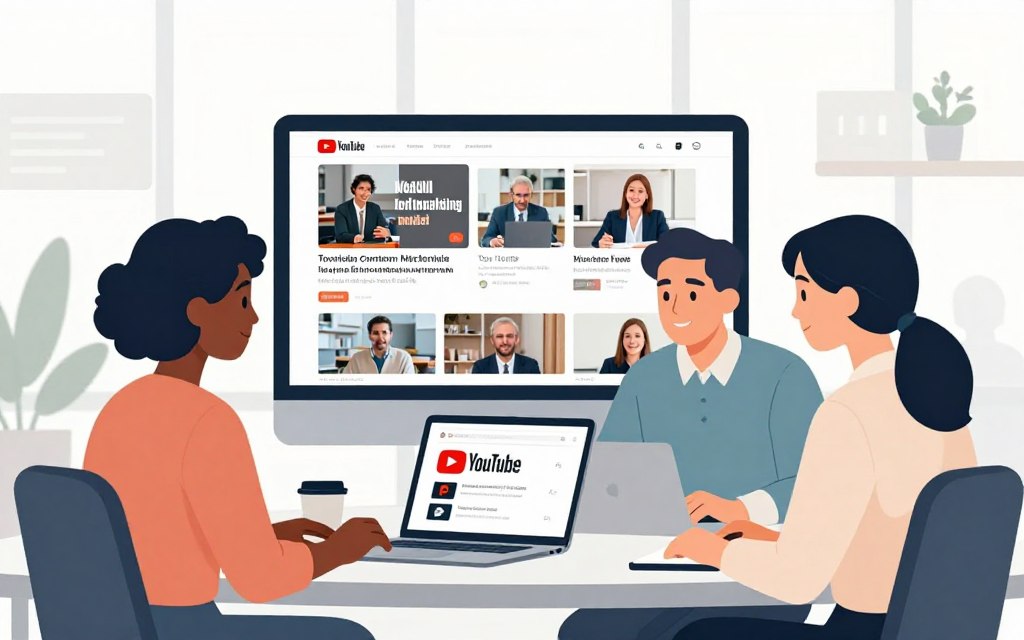
Exploring Video Content Marketing on YouTube
Creating video content doesn’t require a studio. I’ve seen compelling stories filmed on a phone drive real business growth. YouTube is the world’s second-largest search engine. This platform offers a direct line to an audience actively seeking solutions.
Developing Engaging Tutorials and Story Videos
Tutorial videos provide immediate value. Show how your product solves a common problem. This builds trust by demonstrating expertise, not just making claims.
Story videos create powerful emotional connections. Share why you built your company. Feature a customer’s success journey. These narratives make your brand relatable and memorable.
You don’t need fancy gear. Use a smartphone with good lighting and clear audio. Optimize so people can find your work. Include relevant keywords in your title and description.
This content works for you long after publishing. A single helpful tutorial can attract customers for years. You can even run targeted YouTube advertising on a very small budget.
Collaborating with Influencers and Community Leaders
Forget expensive celebrity endorsements. The real marketing gold lies with trusted community figures.
Micro-influencers possess highly engaged followings. Partnering with them can amplify your message without a large budget.
Finding Partners Aligned with Your Brand
Your ideal partner operates in your specific niche. Their audience should mirror your target customer.
Shared values create authentic collaborations. This alignment builds trust with their followers.
Engage with their content before pitching. Comment genuinely and share their posts.
Propose deals that benefit both parties. Offer your product for an honest review or promote their work.
| Collaboration Type | How It Works | Ideal For |
|---|---|---|
| Product Swap | You provide free items in exchange for organic coverage. | Physical goods and local services. |
| Affiliate Partnership | They earn a commission on sales driven by their unique link. | Digital products or subscription models. |
| Content Exchange | You create value for each other’s platforms (e.g., guest posts). | Building long-term brand authority. |
This strategy leverages existing relationships. A recommendation from a trusted voice gives your brand instant credibility.
where to advertise a startup: Practical Channel Comparisons
Your advertising budget goes furthest when you match your message to the channel where your ideal customers are already paying attention. Not every platform delivers the same value for your specific venture.
Smart selection depends on your product, market, and funds. I always compare costs against potential reach before spending a dollar.
Evaluating Costs and Potential Reach
Different channels serve different purposes. Google ads capture people actively searching for solutions. This makes them excellent for high-intent leads.
LinkedIn ads cost more per click. They deliver stronger business-to-business leads because you can target by job title and industry.
Meta ads on Facebook and Instagram build awareness with visuals. YouTube advertising educates through video. Niche platforms like Reddit often have more engaged audiences.
Compare these channels side by side. Your choice should align with your target customer’s behavior.
| Platform | Best For | Avg. Cost Per Lead | Key Strength |
|---|---|---|---|
| Google Ads | High-intent search traffic | $25 – $75 | Captures ready-to-buy customers |
| LinkedIn Ads | B2B services & SaaS | $50 – $150 | Precise professional targeting |
| Meta Ads | Visual products & retargeting | $10 – $40 | Brand storytelling & community |
| YouTube Ads | Products needing explanation | $15 – $50 | Educational video content |
| Niche Platforms | Highly specific audiences | $5 – $30 | Deep engagement & trust |
Start with just one or two platforms. Test small budgets and measure results carefully. Dominating a few effective ways beats spreading your funds too thin.
Advertising Strategies for Startups on a Budget
Effective advertising on a shoestring budget requires a disciplined, test-and-learn approach. You must treat your initial funds as research capital. The goal is to discover what resonates before committing serious money.
I always begin with a modest test. Allocate $500 to $1,000 per channel. Run a few different ads to see which message sticks. Only scale the campaigns that deliver actual leads or sales.
Testing Campaigns with Limited Funds
Split your test budget between cold and warm audiences. Cold ads introduce your solutions to new people. Warm retargeting reminds visitors who already know you.
Don’t ask for a sale immediately. Use ads that educate. Share a helpful blog post or a customer story. This builds trust and makes future offers more effective.
Retargeting converts at higher rates for less money. It’s a smart way to nurture growth. Refresh your headlines and images every few weeks to combat ad fatigue.
Your monthly spend depends on your stage. Pre-launch teams might use $1,000 to $3,000 to test channels. Seed-stage ventures often budget $5,000 to $10,000 across two or three platforms.
Start with 70% of funds on cold outreach and 30% on retargeting. As your funnel fills, shift toward a 50/50 split. This balances new customer acquisition with efficient conversion of warm leads.
Measuring Success in Low-Cost Advertising Campaigns
Without clear metrics, you’re just guessing whether your ads are bringing in customers or burning cash. I’ve watched campaigns fail because they only tracked clicks, not revenue.
True measurement follows the entire journey. Start with awareness metrics like impressions and click-through rate to see if your ads reach the right audiences. Then check engagement: time on page and scroll depth.
Next, monitor conversions on your website. Form fills and demo requests show intent. The ultimate goal is revenue. Connect pipeline and closed deals back to your marketing efforts.

Tracking Metrics and Adjusting Tactics
Let’s use an example. Say your LinkedIn ads get 10,000 impressions. That drives 500 clicks to your site. If 50 visitors request a demo, you have a 10% conversion rate.
Maybe 10 become sales opportunities. Two close, worth $30,000. Now you know your $5,000 spend generated real growth. Without this link, you’re flying blind.
Tools for Monitoring Ad Performance
Set up tracking before launching campaigns. Install pixels from Google, Meta, or LinkedIn. Add UTM parameters to every link.
Use tools like Google Analytics and your CRM. They automatically track forms and clicks. You don’t need a developer.
Review results weekly. Cut underperforming ads fast. Double down on campaigns that drive leads and revenue. This is the smart way to manage marketing over time and deliver real value.
Conclusion
Now that you understand the landscape of affordable promotion, it’s time to put these strategies into practice. Your business can achieve real growth without a massive marketing budget.
Focus on two or three channels that match your niche. Test small advertising campaigns to see what delivers results. Measure everything from clicks to revenue.
This guide provided practical ways to reach customers. Use social media, optimize your online profiles, and create valuable content. Consistency builds trust over time.
Your product or service deserves attention. Smart advertising turns limited funds into a competitive advantage. Start today, track your progress, and scale what works.
