
Did you know that over 70% of freelancers think they need a huge budget to sell their online goods? I used to believe that too.
Here’s the truth. You can launch a successful campaign with very little cash. In fact, focusing on a tight budget often forces smarter, more creative marketing.
I’ve built my business selling ebooks and templates. These are digital products. They have no physical form. You email them or provide a download link.
That means no warehouse, no shipping, and no running out of stock. Your main cost is your time and how you get the word out.
I learned that expensive ad platforms aren’t the only answer. Sometimes, they’re the wrong answer for a new creator. You need to find the spots your ideal customers already hang out.
This guide shares the exact, low-cost channels I use. I’ll show you how to test ideas without risk. You’ll learn to stretch a small budget across several methods to see what works.
Let’s turn your creative work into a real income stream. You don’t need a fortune to start.
Key Takeaways
- Effective promotion is possible on a very limited budget with the right focus.
- Non-physical items like ebooks and courses have major cost advantages over physical goods.
- Free and low-cost channels often provide better returns than expensive ad campaigns.
- Success starts by clearly understanding your offer’s value and your customer’s online habits.
- Testing multiple affordable strategies is safer than betting everything on one costly method.
- A step-by-step, experience-based approach prevents wasting your precious funds.
Understanding Digital Products and Their Benefits
Let’s clear up a common confusion: downloadable products are not the same as monthly subscriptions. They are files or content you create once. Customers purchase and download them directly.
What Defines a Digital Product
Think about ebooks, printable planners, or online courses. These are downloadable items. Music files and stock photos are other common examples.
You make them, then sell the same file repeatedly. There’s no need to manufacture new units. Many people mix them up with services.
A service is your time. A digital product is a finished item. It’s something buyers can use right away.
Advantages Over Physical Products
Your inventory never runs out. You don’t pay for storage or shipping. I’ve found this eliminates major headaches.
Sell to one person or a million. Your costs don’t increase. Profit margins stay high.
You can update a PDF instantly. Physical items might need a costly recall. This flexibility is a game-changer.
Customers get immediate access. They’re happy because there’s no wait. It reduces support questions about delivery times.
I run my entire business from a laptop. There’s no warehouse. This location freedom is priceless.
Starting up requires just your time and skills. You avoid big inventory investments. That lowers your risk significantly.
This model lets you focus on creation, not logistics.
The Buyer’s Guide to Affordable Digital Advertising
I made costly mistakes early on by jumping into ads without a map. I spent money on platforms that didn’t fit my audience. That taught me a vital lesson.
You need a financial plan before you spend a single dollar. This isn’t about having a huge budget. It’s about making every dollar work intelligently.
Key Considerations for Budget Marketing
First, know your break-even point. How many sales cover your creation cost and ad spend? This number tells you when real profit starts.
Budget marketing isn’t about being cheap. It’s about smart allocation. I test small amounts on several channels instead of betting big on one.
You must calculate your customer acquisition cost. Compare it to your item’s pricing. If your cost to get a buyer is higher than your sale price, you lose money.
Organic methods build slowly but cost little. Paid ads deliver faster results but need ongoing investment. A smart plan uses both.
Your strategy should fuel immediate sales and long-term brand building. This balance protects your business from relying only on paid traffic. It turns a limited budget into your most powerful tool.
where to advertise digital products
You have three core paths for getting your downloadable goods to market. You can use your own site, another company’s marketplace, or a mix of both.
I always start with my own platform. This gives me full control and keeps all the profit.
Effective Online Platforms for Digital Goods
Your own website or a simple landing page is the best foundation. You own the customer relationship here. There are no middlemen taking a fee.
For expanded reach, external marketplaces bring built-in traffic. Etsy is great for printables. Udemy hosts courses. Amazon KDP is for ebooks.
These spots let you sell digital products to an existing audience. Remember, you pay for that access with commissions and less branding control.
Balancing Cost and Reach
Free social channels are powerful. Instagram and Pinterest can drive traffic for zero cost. The key is providing value first.
Niche forums and Reddit communities work the same way. This is a smart way to connect.
I use marketplaces to find new customers. Then, I guide them back to my own site for future purchases. This balance is crucial.
A smaller, owned audience often beats a large, rented one. Your goal is sustainable selling digital products, not just a single sale.
Selecting the Right Advertising Platform
Two main fee structures dominate the market for online sellers. Your choice affects your profit and long-term growth.
I test platforms based on their fees and flexibility. You should do the same.
Evaluating Platform Fees and Pricing Models
Transaction-based models charge a percentage per sale. You pay nothing upfront.
This is great for testing. Your profit per transaction is lower, though.
Subscription models have a flat monthly fee. You keep more of each sale.
This becomes cheaper once you have consistent monthly revenue. Calculate your expected sales volume to pick the right model.
| Feature | Transaction-Based Model | Subscription-Based Model |
|---|---|---|
| Upfront Cost | None | Monthly Fee |
| Fee Per Sale | Percentage (e.g., 5-10%) | Low or None |
| Best For | Beginners, low volume | Established, consistent sales |
| Example Platforms | Gumroad, Payhip | Podia, Kajabi, Shopify |
Control Over Branding and Customization
Your brand is your business identity. Some platforms limit how you customize your store.
A generic checkout page builds someone else’s brand, not yours. I started on simple platforms for testing.
I migrated to a system I control once my sales grew. Ensure you have access to customer emails for future marketing.
Hidden fees for payments or features can hurt your budget. Choose a platform that scales with your business.
Leveraging Social Media and Video Content
I once thought video was only for big brands with fancy cameras, but I was completely wrong. Today, it’s your most accessible tool for connecting with people. You can build a loyal following and drive sales using platforms you already have.

Using Video to Showcase Your Product
Great video content shows your offer in action. Record your screen with a simple voiceover. Demonstrate how your template saves time or how your guide solves a problem.
You don’t need a studio. I use my smartphone and free editing apps. The goal is clarity, not Hollywood production. This type of content builds trust faster than text alone.
Social Media Strategies for Low-Cost Outreach
Platforms like Instagram Reels and YouTube Shorts offer free reach. Your marketing here must provide value first. Teach a quick tip or share a helpful insight.
Consistency builds your audience. Post regularly to stay visible. I share behind-the-scenes clips of my creation process. This raw content often connects better than a polished ad.
Go live to answer questions in real time. This social interaction forges strong relationships. Repurpose one longer video into several short clips. Maximize your effort without spending more.
Focus on serving your audience. When you help people, they become eager customers. This organic marketing costs little but delivers real results.
Building a Professional Digital Product Landing Page
Think of your landing page as your online salesperson, working 24/7 to turn visitors into buyers. All your social media and forum efforts should lead here. This is not the place to cut corners, even on a tight budget.
Essential Elements of a High-Converting Page
You need a clear headline. It must state what your product does and what problem it solves within three seconds. I always lead with the core benefit.
Show your offer in action. Screenshots or a short video demo increase trust more than text alone. Visual proof is powerful.
Your page design must be clean and simple. Feature one clear call-to-action button that stands out. Clarity drives conversions.
Include social proof like customer testimonials. This builds the trust needed for a sale. Answer the “what’s in it for me?” question by focusing on benefits, not just features.
You can build this with free tools like Carrd. Ensure your pages load fast on mobile. I always add a FAQ section to address common objections upfront. This reduces hesitation and increases sales directly from your website.
Email Marketing and CRM Integration
If I had to pick one channel for promoting downloadable goods, email marketing would win every time. It delivers the highest return on your investment. You own your list, unlike social followers subject to algorithm changes.
Start by offering a lead magnet. This is a free guide or mini-course. People exchange their email address for this value.
Collecting emails lets you communicate for free after the initial sign-up. Each new launch becomes cheaper. I use a CRM to track interactions and segment my audience.
Nurturing Leads Through Email Campaigns
Your campaigns should feel helpful, not salesy. Provide value first in a welcome sequence. Teach something useful before making an offer.
Regular emails keep you top-of-mind. I send weekly updates. This builds trust so people buy from you when ready.
Integration is key. Connect your email tool to your sales platform. Automate thank-you notes and related offers.
Segment your list based on interests. This makes every message feel personal. It’s a core part of effective audience advertising strategies.
| Tool | Free Tier | Key Feature for Sellers |
|---|---|---|
| MailerLite | Up to 1,000 subscribers | Built-in landing pages & checkout |
| ConvertKit | Up to 1,000 subscribers | Visual automation sequences |
| Klaviyo | No free tier | Advanced e-commerce integration |
You can start with free tools. Focus on nurturing relationships. This turns subscribers into loyal, repeat customers.
Utilizing Content Marketing to Drive Traffic
Imagine creating a single piece of content that brings you customers for years without additional cost. That’s the power of this strategy. It builds a lasting asset for your business.
This approach focuses on attracting people who are already looking for solutions. You provide answers before you ever make a sale.
Creating Valuable Content Around Your Product
Your content must solve real problems. Answer the questions your potential buyers type into Google. Give away the “what” and “why” for free.
Save the complete “how” for your paid offer. This builds trust and demonstrates your expertise. People are more likely to buy from a helpful guide.
| Content Type | Core Benefit | Ideal Platform |
|---|---|---|
| Blog Post | Targets active search, builds authority | Your website, Medium |
| Video Tutorial | Shows your offer in action, builds connection | YouTube, Instagram |
| Podcast Episode | Engages during downtime, builds loyalty | Spotify, Apple Podcasts |
Publish new material consistently. This regular activity builds your authority over time. It tells search engines your site is active and relevant.
Optimize each piece for the terms your audience uses. This helps them find you when they need help. One well-ranked article can send steady traffic for months.
Repurpose your best work. Turn a blog post into a video script. Extract quotes for social media. This multiplies your reach without creating new material from scratch.
Every piece should guide readers toward a next step. Invite them to join your email list or visit your sales page. This turns passive readers into potential buyers for your products.
Budget-Friendly Advertising Tools and Tactics
I used to guess which marketing channels worked until I discovered a few free tools that showed me the truth. You don’t need a big budget for analytics. You just need to know what to look for.
Your goal is to connect every dollar spent to a result. This stops you from wasting money on methods that don’t work.
Tools to Measure Performance and Optimize Campaigns
Start with Google Analytics. It’s free and shows where your visitors come from. You can see which pages lead to sales and where people leave.
Social platforms have built-in insights. Use them to see which posts drive clicks. Double down on what works for your campaigns.
I track everything in a simple spreadsheet. I log daily sales, traffic sources, and ad spend. This data reveals trends in your performance.
Set up conversion tracking on your checkout page. This tells you which channels bring buyers, not just visitors. It’s a game-changer for small budgets.
Use free tools like Microsoft Clarity. Heat maps show where people click and scroll. You can find friction points that kill conversions.
Always cross-reference numbers with customer feedback. Comments on your posts can explain why data dips. This qualitative insight is priceless.
The key is to start simple. Use basic tools first. Add more sophisticated options as your budget grows and you need deeper insights for your campaigns.
Exploring Alternative Marketplaces for Digital Goods
Listing on a general marketplace is just one option. Niche spots often convert better.
I found specialized marketplaces deliver warmer audiences. People there already want specific items. This means faster initial sales.
Etsy excels for printables and design assets. Creative Market targets graphic designers. Amazon KDP connects you with Kindle readers.
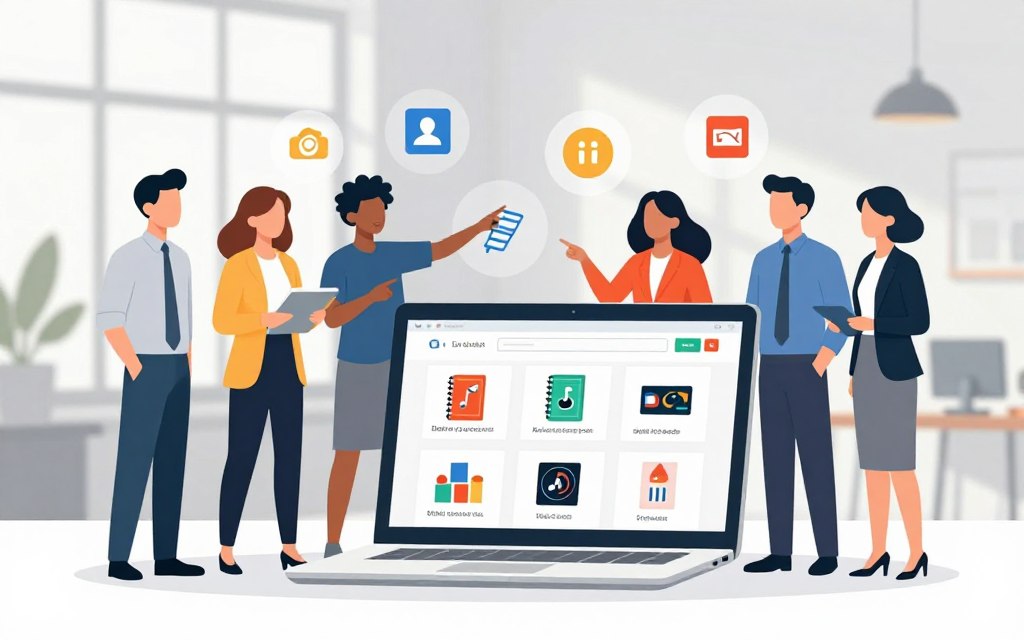
These platforms provide instant access. You tap into their existing traffic. It’s a smart way to sell digital products quickly.
The trade-off is cost and control. You pay fees per transaction. You also build their brand, not yours.
Use these marketplaces as a single channel in your mix. Never rely on them completely. Rules and fees can change overnight.
I recommend listing on two or three platforms. Simultaneously, build your own website. This diversifies your income sources.
Each marketplace has a unique fee structure. Some charge listing fees. Others take a percentage of each sale.
Platforms like Gumroad let you start with no upfront cost. This is ideal for testing. Your goal is sustainable selling digital income.
Choose platforms that match your specific offer. A targeted audience buys more readily. This focus protects your small budget.
Maximizing Passive Income with Digital Sales
I used to celebrate every one-time sale until I realized how much more stable my income could be with a smarter approach. True passive income means you do the creative work once. Your creation then sells repeatedly without daily effort.
This transforms your financial outlook. You build a system that earns while you sleep.
Subscription Models and Bundling Strategies
Subscriptions turn single buyers into recurring revenue streams. This makes your income predictable and compounds over time. The key is delivering fresh value each month.
You cannot charge for something people only need once. Offer ongoing tutorials, new assets, or community access. This is a core part of effective audience advertising strategies.
Bundling is another powerful tactic. Combine several items at a discount. This increases your average sale value.
Customers feel they get a better deal. Tiered pricing lets you capture different budgets. Offer basic access at a low point.
Then, charge more for premium features or your full library. I always start with one-time sales to test demand. Once you have happy customers, introduce subscription options.
Reinvest your early profits into more promotion. This fuels automatic growth for your passive income engine.
Researching Your Audience and Competitors
Effective promotion starts with knowing who you’re talking to, not just what you’re selling. I learned this the hard way. You must understand your market deeply before crafting any message.
Using Data to Fine-Tune Your Approach
Begin by listening. I join Facebook groups and Reddit threads where my ideal customers gather. I note their exact words and frustrations. This research reveals real needs.
Published reports from industry sources provide valuable data. They show trends shaping your business landscape. Use this information to spot opportunities.
Create a simple buyer persona. Frame it as a story about a typical customer. Include their goals and daily challenges. This tool guides all your marketing decisions.
Validate your idea early. Run a small survey or check Google Trends. See if interest in your topic is growing. This step prevents wasted effort.
Study your competitors closely. Look at their pricing and customer reviews. Identify gaps they aren’t filling. Your unique offer can address those unmet needs.
This ongoing research process fine-tunes your approach. It ensures every dollar you spend reaches the right audience. Your business becomes more responsive to the market.
Balancing Price, Value, and Profit Margins
Profit margins on digital items can be enormous, but only if you charge correctly. The near-zero cost to distribute copies makes pricing a unique puzzle. You might check competitor pricing for a baseline.
Undercutting them isn’t always smart. A higher price often signals higher quality and more value.
Think about what makes your offer unique. Extra bonuses or templates justify a premium. Your profit depends on this balance.
Factor in every cost. Platform fees and payment processing eat into your margin. Aim for 70-95% profit after these expenses.
I calculate my price based on the transformation my item delivers. Test different points to see what your market accepts.
The value provided must far exceed the pricing. Someone paying $50 should feel they gained $200 in results.
Know your break-even point. Calculate how many sales cover all creation and promotion costs. This tells you when real profit starts.
Case Studies and Real-World Success Stories
Let’s move from theory to practice and examine a few creators who built thriving businesses with minimal ad spend. Their stories prove that a tight budget forces smarter, more creative marketing.
Practical Examples from Various Industries
I’ve seen designers build six-figure revenue selling templates. They create a file once and sell it thousands of times on Etsy. This model turns a single effort into lasting income.
Education is another powerful path. The NoCodeFounders community offers courses for non-technical founders. They help people grow business ideas without learning to code.
Even traditional crafts have scaled online. Erin Ford sells sewing patterns as instant downloads. Her customers get a specific solution for their creative projects.
The common thread? Each creator solved a specific problem for a focused audience. They built trust first with free content. Then, they converted that audience into paying customers.
| Industry | Core Product | Key Strategy | Primary Platform |
|---|---|---|---|
| Design & Productivity | Website & Canva Templates | Create once, sell repeatedly | Etsy, Creative Market |
| Business Education | Online Courses & Community | Solve a specific skill gap | Own Website, Podia |
| Craft & DIY | Sewing Pattern Downloads | Serve a passionate niche | Etsy, Personal Site |
These examples show you don’t need a huge budget. You need a great product and consistent outreach. Test your ideas quickly and double down on what works.
Conclusion
Building a profitable online business with limited funds is entirely within your reach. I’ve shared my journey to show that smart promotion for your digital products beats big budgets every time.
Your financial constraint is actually an advantage. It forces you to be creative and focus on high-return strategies. Start with one item and one channel.
Master that combination before you expand. Remember, building your own platform and email list is non-negotiable.
Even if you use marketplaces, own your audience. This control is the foundation for selling digital products sustainably.
I’ve given you the exact tools and strategies I use. Now, take action. Success won’t happen overnight, but consistent effort builds a real business over time.
Your products can create freedom and scale like nothing else.
