
You pour money into your campaigns, but how do you know they’re working? Let’s cut through the noise.
In digital advertising, the most basic metric is often misunderstood. I’ve watched many entrepreneurs get this wrong. An ad impression is simply a count. It tallies each time your promotion loads on a user’s screen.
That’s it. It doesn’t mean someone clicked or even noticed your content. This number is the foundation of how campaigns are measured and priced.
For anyone with a tight budget, grasping this concept is non-negotiable. It tells you your brand’s potential exposure—your reach. Think of it as the first step toward a click or a sale.
Key Takeaways
- An ad impression is counted every time your advertisement loads on a webpage, app, or social feed.
- It measures potential views, not direct engagement like clicks or conversions.
- This metric is fundamental to understanding campaign pricing and performance in digital advertising.
- A high number of impressions means greater brand exposure and reach.
- Monitoring this figure helps you verify your ads are being served to your audience.
- You will encounter this term on all major advertising platforms.
- For small businesses, tracking impressions ensures your limited budget buys real visibility.
Defining what is ad impression
Many business owners I’ve worked with confuse this number with actual engagement. Let’s fix that.
At its heart, this metric is a simple tally. Your promotion loads on a screen, and a count goes up by one. That’s the entire event.
The Basic Count
Think of it like a digital billboard seen from the highway. Each car passing represents one opportunity to see your message. The system counts each delivery, not whether a driver looked.
You get a raw number showing how many times your piece of content was served. This figure forms the baseline for all other campaign analysis.
Its Core Purpose in Advertising
So, why track this? It answers a fundamental question: “Is my campaign even being seen?” You can’t get clicks if your ads aren’t showing.
This data measures pure visibility. It tells you your potential reach. Platforms use it as the foundation for pricing, like CPM (cost per thousand impressions).
| Metric | What It Measures | Key Insight for You |
|---|---|---|
| Impressions | Potential views / Ad deliveries | Your campaign’s raw visibility and reach. |
| Clicks | User engagement & intent | How compelling your ad creative truly is. |
| Conversions | Desired actions (sales, sign-ups) | Your campaign’s ultimate effectiveness and ROI. |
Use this count to compare platforms and placements. See which ones give you the most eyeballs for your budget before worrying about clicks.
Types of Ad Impressions
Your ad server counts one thing, but your audience might see another. Two main types matter for your campaign’s truth.
Served Impressions
Served impressions are the raw delivery count. Every time your promotion loads on a page, the server logs it.
Here’s the reality I’ve learned. This tally includes ads buried far down, where no one scrolls. You pay for deliveries, not for views.
Viewable Impressions
Viewable impressions are different. They only count when your ad is actually seen.
Industry standards require at least 50% of the display on a user’s screen for one full second. This measures real exposure.
I recommend you focus on these viewable impressions. They show how many people truly had a chance to see your message. Always check your platform settings to track this better metric.
Ad Impressions vs. Clicks and Reach
Let’s put these three metrics side-by-side so you can see exactly what each one tells you about your campaign. They measure different things, and confusing them leads to poor decisions.
Differences between Impressions and Clicks
Impressions count appearances. Clicks count actions. That’s the simplest way to see it.
If your promotion gets 10,000 impressions but only 100 clicks, your message is showing up. But it’s not convincing people to engage. That’s a 1% click-through rate.
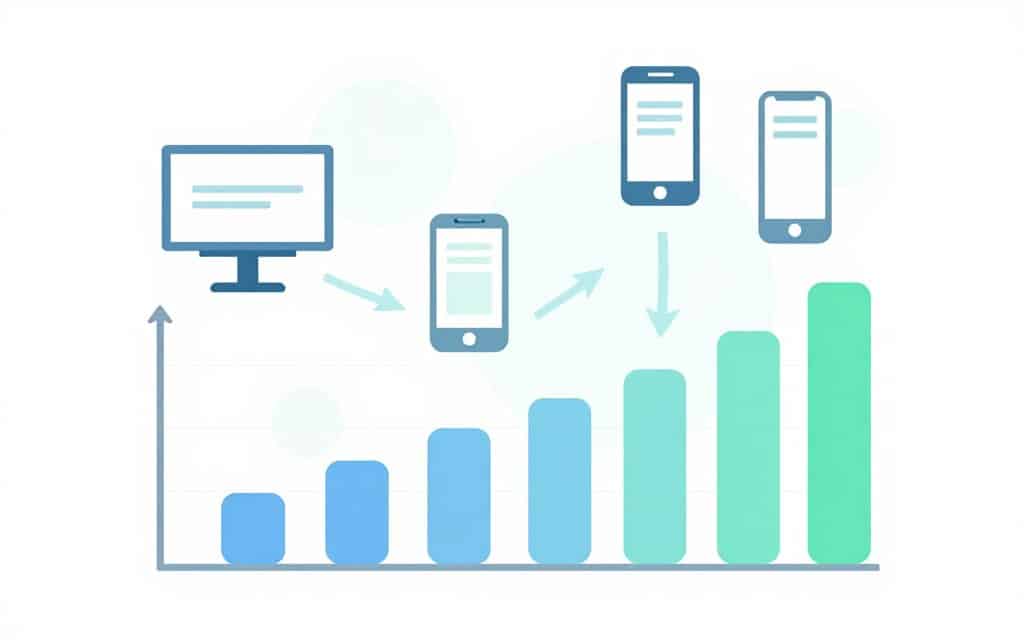
| Metric | What It Counts | What It Tells You |
|---|---|---|
| Impressions | Every time your ad loads | Potential visibility and raw exposure |
| Clicks | Users interacting with the ad | Audience interest and intent to learn more |
| Reach | Unique individuals who saw it | Size of your actual audience |
For direct response, I care more about clicks. They drive website traffic and sales.
Understanding Advertising Reach
Reach is your unique audience size. One person can generate multiple impressions.
You might have 5,000 impressions but a reach of 1,000. That means the same people saw your message about five times each. This frequency matters.
Impressions show you volume. Reach shows you breadth. Clicks show you interest.
For brand awareness, high impressions and solid reach are the goals. To improve clicks, focus on your offer and creative. Start by A/B testing your ad creatives to see what truly resonates.
Tracking Ad Impressions>
Behind every impression number is a simple piece of technology doing the counting. You don’t need to manually track each view.
Ad serving technology delivers your promotions across the web. It places a tiny, invisible tracking pixel on each publisher page.
Ad Serving and Pixel Tracking
When someone visits that page, the pixel loads. This event registers one impression in the system.
The entire process runs automatically in the background. Your ad platform handles everything. You just review the data in your campaign dashboard.
This tracking tool provides real-time numbers. You see how many times your ads loaded on different web pages.
Understanding this technical basis helps you trust the figures. They come from actual measurements, not estimates.
The same technologies—pixels, tags, and cookies—also monitor user behavior beyond impressions. They track clicks and conversions.
Every major platform, like Google Ads or Facebook Ads, uses this pixel-based system. It counts and reports your impressions accurately.
Measuring Ad Campaign Performance
I rely on three specific calculations to determine if my advertising dollars are working hard enough. These metrics turn raw visibility data into clear performance signals.
Calculating Click-Through Rate (CTR)
Click-through rate shows the percentage of times people act after seeing your promotion. Divide clicks by impressions, then multiply by 100.
For instance, 200 clicks from 10,000 impressions gives a 2% CTR. A higher rate means your message resonates. A lower one signals a need for better creative or targeting.
Cost Metrics: CPM and eCPM
Cost per mille (CPM) is your price for every 1,000 impressions. It’s common for display and social campaigns. I’ve seen rates from $2 to over $6.
If you set a $10 CPM and get 50,000 impressions, your total cost is $500. This helps budget and compare platforms.
Effective CPM (eCPM) matters for publishers. It measures revenue per 1,000 impressions. Earn $500 from 100,000 impressions? Your eCPM is $5.
These figures reveal campaign value. Track them to optimize spend and boost returns.
Role of Ad Impressions in Digital Marketing
For both advertisers and publishers, impression data isn’t just a number; it’s the currency of visibility in online campaigns.

This metric forms the backbone of every strategic decision in digital marketing. It tells two different stories for two key players.
Importance for Advertisers and Publishers
As an advertiser, I use these counts as my campaign’s foundation. They confirm my promotions are being served. I calculate click-through rate and evaluate performance based on this data.
Impressions let me compare platforms. If one channel delivers more visibility for my budget, I know where to focus. They also guide my creative adjustments and placement choices.
For publishers, this metric is directly tied to revenue. The effective cost per mille (eCPM) model pays based on these counts. More impressions mean higher earnings from their website or app space.
I’ve helped publishers analyze which pages generate the most views. This shows where to position ads for maximum income.
In app store optimization, impression figures reveal how often a listing is viewed. This insight helps refine titles and descriptions.
You cannot improve what you don’t measure. These numbers provide the essential baseline for all marketing decisions.
Optimizing Ad Campaigns with Impression Data
Don’t just collect impression data—turn it into actionable insights that boost your campaign’s performance. This optimization process moves you from tracking numbers to driving real results.
Target Audience and Ad Placements
Your data reveals which groups see your promotions most. Analyze which demographics or locations generate the highest impressions and engagement.
Shift your budget toward these high-performing segments. I often adjust placements based on this performance. If mobile app users deliver more views, I allocate more spend there.
Limit how many times the same user sees your promotion. This frequency capping prevents annoyance and keeps your impressions valuable.
Creative Adjustments for Better Engagement
High view counts with low clicks signal a creative problem. Compare impressions against click-through rates for each ad variation.
Test different images, headlines, and offers side-by-side. Use the data to see which content resonates best with the same audience.
For video ads, shorten the length if you see high drop-offs. The first three seconds are critical for holding attention.
Campaign optimization is a continuous cycle. Analyze, tweak your targeting or creative, then measure the impact on your ads‘ effectiveness.
Common Challenges in Counting Ad Impressions
I’ve learned the hard way that not all impressions are created equal. Some can be misleading or even fraudulent.
You need to know these issues to protect your budget. The count you see often hides problems.
Limits of Served Impressions
The biggest flaw is simple. Served counts register every load, even if nobody sees your promotion.
Your ads might load below the fold or off-screen. The system still logs an impression.
This means you pay for display opportunities that never become actual views. It’s a fundamental gap in the number.
Issues with Impression Fraud and Inaccuracies
Fraud is a serious concern. Unscrupulous website owners use bots to inflate counts.
Roughly 49.6% of all web traffic comes from bots. Many counting systems don’t filter this fake traffic.
I’ve seen campaigns where a third of the impressions were completely fake. Technical errors also skew data.
Promotions can fail to load properly. The wrong ad might display. These mistakes still get counted many times.
| Challenge Type | What Happens | How to Protect Yourself |
|---|---|---|
| Bot Traffic | Non-human visits inflate your count | Ask your platform about bot filtering tools |
| Below-Fold Loading | Ads load where users don’t scroll | Focus on viewable impression metrics instead |
| Duplicate Counts | Same user seen multiple times | Monitor frequency capping in your settings |
| Technical Errors | Failed loads still register | Review placement quality on each website |
Always push for viewable impression tracking. Verify your platform’s fraud prevention measures.
Understanding these challenges helps you interpret data realistically. You’ll make better spending decisions.
Conclusion
You now possess the knowledge to turn raw view counts into strategic insights. Remember, these tallies measure potential views, not direct engagement. They still offer immense value for understanding reach and calculating rates like CTR.
You know the critical difference between served and viewable counts. Focus on the latter for accurate advertising data. Always pair this impression data with clicks and conversions for a complete performance picture.
Stay alert to limitations like bot traffic. Scrutinize your numbers with a critical eye. For small business marketing, this helps track visibility across platforms efficiently.
Apply these lessons on social media, search engines, or display networks. Use the data to refine targeting and creative content. Your website or app promotions will become more effective.
You’re equipped to make smarter decisions. Start optimizing your next campaign with this practical knowledge.
