
what is guerrilla marketing and its most effective examples grabs attention because it promises low-cost moves that can spark big buzz for a small brand.
I’ve used surprise, care, and a clear aim to get real attention without big media buys. I’ll help you see if this strategy fits your goals and budget.
Expect honest advice on cost, risk, and payoff. I’ll show where these campaigns beat traditional ads and when they don’t. You’ll get practical steps for planning safe, shareable stunts that create on-site and online traction.
Quick note: start small. Test one idea. Measure what people share and how fast you get attention.
Key Takeaways
- I’ll define the approach in plain terms so you decide fast.
- Learn realistic cost and risk expectations before you start.
- See where this strategy beats big media for reach and buzz.
- Get simple steps to plan, launch, and measure a campaign.
- Know basic legal and safety items to avoid brand trouble.
Guerrilla marketing explained in plain language
I trade big ad budgets for small, clever moments that fit a place and a time.
Jay Conrad Levinson coined the term in 1984. He borrowed the idea of surprise from guerrilla warfare. The goal was clear: reach people in their daily routines with unexpected experiences, not interrupt their day with loud ads.
Where the term came from and why surprise matters
“The best campaigns use surprise, not shock.”
Surprise works when it fits the moment. It grabs attention quickly. It makes people tell friends. That makes limited spend stretch farther.
How this differs from traditional ads and budgets
Think creativity and sweat over media dollars. You spend time designing an on-site experience. Media then amplifies the action. That keeps costs low and results immediate.
Quick checklist
- Who sees this? (audience)
- Where will it land? (place)
- When does it run? (timing)
- What should people do next? (call to action)
| Focus | Traditional advertising | Guerrilla approach |
|---|---|---|
| Spend | High media buys | Idea and execution costs |
| Timing | Long lead times | Quick execution |
| Role of media | Main channel | Amplifier |
Core traits that make guerrilla marketing work today
A small team can win big with one clear idea. You don’t need big media buys. You need a moment people remember and want to share.
Low-cost creativity over media spend
Focus on a tight creative ask that fits your budget. Build a cheap prototype fast. Test it with a few people. Fix what trips up the story.
Surprise, disruption, and memorable experiences
Surprise makes memory. A short, clear message helps people retell it without losing meaning. Design safe moments that invite interaction.
Word-of-mouth and social media fuel the reach
Plan how people capture and post it. Use simple CTAs so attention becomes engagement. Let social media scale the moment instead of heavy ad spend.
“A single good story spreads farther than a loud ad.”
Quick checklist
- Trade big media for a strong idea and a simple build.
- Prototype fast. Ship small tests.
- Make the action easy to record and share.
- Match the creative ask to team time and budget.
| Trait | Why it works | Quick action |
|---|---|---|
| Creativity | Grabs attention without spend | Sketch 3 ideas in a day |
| Surprise | Creates memory and shares | Pick one unexpected placement |
| Social fuel | Turns moments into brand awareness | Prepare hashtags and capture kit |
The main types of guerrilla marketing and where they shine
I map each tactic to the place where it will get the most eyes fast. That keeps plans tight and results measurable.
Outdoor: installations, street art, high-footfall moments
Outdoor plays work best in busy urban spots. Use removable elements or sidewalk art that match local rules.
Watch sightlines, cleanup needs, and material choices. Pick quick installs that leave no damage.
Indoor: malls, transit hubs, museums, campuses
Indoor spaces give more control. Permits are easier and variables drop. Think branded touchpoints in stations or shops.
Lower risk means you can test ideas fast. Use clear CTAs and capture corners for media teams.
Event ambush: engaging audiences without sponsor status
Event ambush taps an event’s crowd without official ties. Stay legal. Avoid blocking entrances or clashing with organizers.
Plan timing windows and people flows so you join the moment, not disrupt it.
Experiential: hands-on interactions that invite participation
Experiential spans all spaces when people interact directly with your brand. Keep interactions short and shareable.
Brand fit tests matter. If the idea feels forced, skip it. Run a small prototype to see reactions.
- Location filters: foot traffic, sightlines, security, cleanup.
- Media plan: assign capture roles, hashtags, and backup angles.
- Material choices: install fast, remove cleanly, avoid damage.
- Scaling: pick ideas that can repeat or expand after a successful test.
| Type | Best fit | Watch for |
|---|---|---|
| Outdoor | High visibility zones | Permits, cleanup |
| Indoor | Controlled spaces | Foot traffic patterns |
| Event ambush | Large audiences | Organizer conflict |
Pros and cons you should weigh before you launch
A clever stunt can lift brand awareness fast, but it can also spin out.
Benefits
- Fast awareness lifts. A well-timed idea gets people talking and sharing.
- High engagement on low spend. Small teams can outplay big advertising budgets.
- Creative freedom. You can test bold concepts without long media commitments.
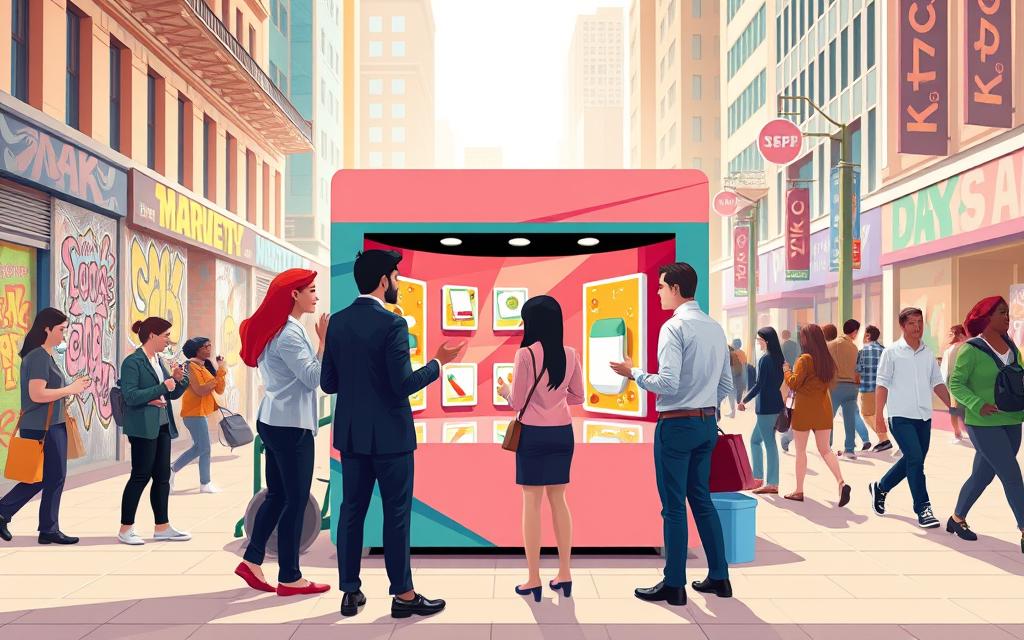
Practical risks to plan for
Public settings add variables you can’t fully control. Crowds, weather, and tone change outcomes.
Backlash can spread quickly online. A misread idea harms the brand more than no action.
Simple legal and privacy checks
- Permits, property rights, and local rules. Get them in writing.
- If you capture faces or emails, collect consent. Follow GDPR and CCPA rules.
- Buy basic liability insurance and run a safety walk-through.
“Plan for praise and prepare for pushback.”
| Check | Why it matters | Quick action |
|---|---|---|
| Permits | Avoid fines and shutdowns | Apply 2–4 weeks early |
| Consent | Protect privacy and trust | Use clear forms and opt-ins |
| Escalation plan | Limit reputational damage | Assign spokes, hold statements |
Final note: set clear impact goals. If reach, engagement, or foot traffic meet targets, the campaign was worth it. If red flags show up, pause and redesign.
How to plan a guerrilla marketing campaign that fits your brand
Audience research: where people are and what grabs them
Map by place, time of day, and mood. Note commuter flows, lunch breaks, and weekend crowds.
Run short intercept chats. Use a two-line script. Ask one question. Watch reactions. That tells you which ideas land.
Location scouting, permits, and stakeholder alignment
Check sightlines, access points, and foot traffic counts. Meet property managers early.
Apply for permits well before launch. Get agreements in writing. That reduces shutdown risk on the day.
Timing, cultural context, and weather or venue constraints
Build a timing grid. Flag holidays, nearby events, and typical weather. Avoid clashing with major dates.
Match tone to the place. If the area feels formal, keep the stunt low-key and useful to the people there.
Prototype, test with a small group, and refine
Run a one-day pilot with a handful of volunteers. Record feedback. Tweak visuals, script, and a simple run-of-show.
- Run-of-show: setup, roles, signals, teardown.
- Capture plan: assign photo, video, and posting cadence.
- Leave-no-trace: pack tools, trash bags, and repair kit.
“Test fast. Fail small. Fix quickly.”
| Step | Why | Quick action |
|---|---|---|
| Audience map | Targets right places | 3‑hour field walk |
| Permit check | Avoid fines | Call city office |
| Pilot run | Reduce misreads | 5–10 people test |
Final note: align every tactic to your brand voice. Make sure the moment feels true, not random. That keeps people sharing for the right reasons.
What is guerrilla marketing and its most effective examples
I’ll walk through short, real stunts that earned big attention with small teams.
IKEA sofas at bus stops
IKEA put sofas in Australian bus shelters to make waiting comfortable and show product utility. It worked because the placement matched a real need. Try this: place a usable prop where people already wait. Keep permits in mind.
McDonald’s crosswalk fries
McDonald’s painted a crosswalk to look like fries. Instant recognition. Low build. Copy it by reimagining street assets as simple brand visuals.
Kit Kat bench
Kit Kat turned benches into candy bars to literalize “Have a break.” It felt true to the product. Small teams can swap a bench wrap for quick impact.
KFC x Crocs at NYFW
A limited collab launched during fashion week and sold out fast. The fit was surprising and shareable. If you launch a niche product, pick a cultural moment that matches your audience.
Fiji Water Girl
A model appeared repeatedly behind celebs on a red carpet and went viral. Placement beat paid media. For a small team, aim for subtle visibility where press already gathers.
JetBlue ice block
JetBlue froze beach gear in a block to tout sunny routes. It gamified attention. Use clear, playful props to invite photos.
UNICEF dirty water vending
UNICEF sold “dirty water” to shock people into donating. The risk was high but matched the cause. If you use shock, back it with strong context and clear calls to action.
“Timing, place, and one honest idea beat big budgets.”
- Quick capture tip: assign a photographer and a posting schedule before you launch.
- Build note: choose light installs when permits are tight; go heavier when you can control the space.
- Try this: prototype a one-day pilot, record reactions, then scale.
Amplify every stunt with a social media game plan
Plan your social push like a short film: who shoots, who posts, and when audiences see it. Set roles before launch so the day stays calm.
Real-time capture, creator partners, clear tags
I assign capture roles so you get vertical, wide, and close-up shots. One person films tall clips. One gets wide b-roll. One grabs details.
Brief creators with a 3-line deck: intent, key lines, and posting window. Give them a caption template and required tag to save time.
Reactive posts, memes, and community management
Use a posting ladder: teaser, live clips, highlight edits, and a recap thread that ties back to your campaign page.
Have a replies playbook. Turn questions into posts. Answer quick. Pin the best comments to guide tone.
- Hashtag rules: one primary tag, one location tag, one campaign tag.
- Story-first edits: 15–30s cuts for Reels, TikTok, Shorts.
- Tools: quick-cut apps, caption makers, and rights-safe music libraries.
| Role | Task | Timing |
|---|---|---|
| Lead filmer | Vertical clips for Reels/Shorts | Live + same-day edit |
| Wide shooter | Context and crowd shots | During stunt |
| Detail recorder | Close-ups, props, reactions | Throughout |
| Creator partner | Cross-post and extend reach | Within 2 hours |
| Community manager | Reply, pin, escalate issues | First 24 hours |
“Capture fast. Post faster. Let creators and active replies carry the buzz into the next day.”
Use email to extend reach and repeat engagement
Email can turn a one-day stunt into a week of attention. Use it to seed curiosity before the live moment and to keep people returning after the activation.

Teasers, mystery drops, and flash offers to build anticipation
Send a short teaser 48 hours before launch. Hint at location and time without overexplaining. Use subject lines that nudge opens, not give everything away.
- Subject idea: “See something surprising near [neighborhood] — 10AM only.”
- Flash window: 2–4 hour promo code tied to the stunt.
- Urgency: show remaining quantity or time left in the email.
Interactive games, UGC showcases, and location-based surprises
Link email buttons to a simple game or map that rewards an on-site action. Tie clicks to a QR code people scan at the activation.
Feature user content quickly. Add a live feed of photos from the stunt. That validates the moment and pulls more audiences in.
| Angle | Use | Quick sample |
|---|---|---|
| Teaser | Build curiosity | Short copy + hint + CTA |
| Flash offer | Drive urgency | Promo code valid 3 hours |
| UGC showcase | Social proof | Photo grid + tag instructions |
| Re-engage | Recover visitors | Reminder + small discount |
Sync email and social media posts so the story feels seamless. Post the hero clip when the email lands. Use the same tag and short caption. That keeps tracking simple and boosts engagement across channels.
After the stunt, send a short survey to collect quotes. Use answers as testimonials for the next campaign. Then send a follow-up that seeds your next idea with a soft invite.
Budget, partners, and tools for small teams
Small teams win when they pair a clear budget with local partners who move quickly. You don’t need fancy shops. You need a plan that keeps costs low and work clean.
Pop-up materials and quick fabrications
Use removable materials that install fast and leave no mark.
- Coroplast signs, vinyl wraps, peel-off stickers.
- Lightweight frames, gaffer tape, snap hooks.
- Dry-erase boards for changeable messages.
Basic fabrication flow and when to hire local vendors
- Prototype in cardboard. Check sightlines.
- Use a local printer for final wraps if you need weather-proofing.
- Call a fabricator for structural builds or permits that require pro insurance.
A simple budget outline
| Item | Estimate | Notes |
|---|---|---|
| Build materials | $200–$800 | Signs, wraps, props |
| Permits & insurance | $100–$600 | City fees, COI |
| Capture gear | $150–$500 | Rent mics, lights, batteries |
| Labor | $300–$1,200 | Local crew or vendor day rate |
Rent vs buy, partners, and quick contracts
- Rent: lights, mics, large cameras, ladders.
- Buy: tape, gaff, coroplast, small props.
- Partner checklist: fabricator, printer, videographer, permits pro.
Product-safe displays: use low-tack mounts and test touches before launch. That protects your product and public spaces.
“Keep a short contract and a COI on file for every vendor. It saves trouble.”
Packing list & roles: lead, capture, runner, permits contact. Pack spare batteries, spare tape, backup mic, tool kit. Plan to repurpose the wrap or art for the next campaign to stretch value.
Measure impact and ROI without big data teams
Keep measurement simple so you can prove value without a data team. I focus on a few clear KPIs you can track with phones, timers, and basic tools.
Primary KPIs:
- Reach — estimated eyeballs from on-site counts and social views.
- Engagement — saves, shares, comments, and completion rates on clips.
- Foot traffic — door counts or timestamped scans during the activation window.
- Sales lift — short-term spikes tied to promo codes or vanity links.
Simple attribution tips
Use unique QR codes, vanity URLs, and one-off promo codes on every asset. That gives clean signals when you compare baseline to campaign windows.
Time-stamp your capture. Note start and end times. Compare store traffic and online visits to the same hours on prior weeks.
A one-page scorecard you can copy
| Metric | How to measure | Goal |
|---|---|---|
| Reach | Video views + estimated passerby count | 5K views |
| Engagement | Likes, shares, saves, completion rate | 15% engagement |
| Foot traffic | Door clicks or QR scans by hour | +30% vs baseline |
| Sales lift | Promo code redemptions | 10% revenue bump |
Final tips: read audience quality, not just raw reach. Note if the people who showed up match your target audiences. Save learnings in a short wrap-up deck. That makes each campaign more useful than the last.
“Simple tracking beats no tracking. Pick a few metrics, record them cleanly, and learn fast.”
Common pitfalls and how to avoid them
I’ve seen small teams lose traction fast because they skipped basic steps. A good idea can still fail if you ignore rules, miss local tone, or forget to tell the story.
Ignoring permits or venue rules
Skip permits and you risk fines, shutdowns, or having your props removed. Apply early. Call the property manager. Get approvals in writing.
Quick permit path:
- Call the city permits office 2–4 weeks before launch.
- Request a Certificate of Insurance if required.
- Keep digital copies on-site and with the lead.
Missing cultural sensitivity or safety checks
A tone-deaf stunt breaks trust faster than a bad ad. Run a cultural check with three outside viewers. Drop ideas that test poorly.
Do a safety walk-through. Check trip hazards, pet access, and crowd flow. Assign one person to stop the action if someone looks unsafe.
Failing to document and distribute the story online
Poor documentation kills reach. Assign roles: one vertical, one wide, one detail. Post the hero clip the same day while buzz is hot.
Have a weather/security backup. If plan A fails, switch to plan B and still capture the pivot.
“Test ideas early. Get permits. Film everything. Post fast.”
| Pitfall | Fix | Why it matters |
|---|---|---|
| No permits | Apply early, keep COI on file | Avoid fines and shutdowns |
| Poor tone | Run 3-person cultural check | Protect brand trust |
| Bad capture | Pre-assign capture roles | Maximize same-day reach |
On-site brief: pre-brief staff on behavior, scripts, and complaint routing. Give a one-page escalation plan for questions or upset people. That keeps campaigns calm on launch day.
Conclusion
Good campaigns start with a clear goal, a tight idea, and a plan to capture proof.
Recap: place the right idea in the right spot at the right time. Keep builds lean. Capture every moment for social and email. That turns a stunt into real awareness and engagement.
Run a small plan this month. Pick one goal, assign roles, test with a few people, then launch a single-day activation. Use simple tracking like a QR or promo code to measure lift.
Respect venues, sort permits, and buy liability coverage. That keeps brands welcome in the world and protects your team.
Final ask: document results, post fast, and invite audiences to share. If you want a quick how-to for a solid marketing campaign, start there.
You’ve got this—start small, learn fast, then scale what works.
