
Your customers aren’t watching TV the old way anymore. They’ve moved to streaming, and your marketing needs to follow them. This guide helps you understand why CTV advertising is becoming a powerhouse for brands of all sizes.
The landscape has shifted dramatically. Most U.S. households now stream their favorite shows. A huge number of these viewers choose ad-supported plans. This creates a massive opportunity for your business to reach a captive audience on the biggest screen in their home.
CTV advertising revenue is projected to hit nearly $26 billion this year. It’s expected to climb to $42 billion in the next five years. By 2025, one out of every three dollars spent on TV ads will go to streaming platforms. This isn’t a niche trend; it’s the new mainstream for digital advertising.
I’ll show you how this fits into your current marketing. You’ll see the real advantages for reaching viewers you might be missing on other channels. Let’s dive into how you can use this powerful tool.
Key Takeaways
- Streaming has become the primary way people watch television, creating a new advertising frontier.
- CTV ad spending is growing rapidly, signaling a major shift in marketing budgets.
- This approach allows you to reach a highly engaged audience on their main TV screen.
- It offers more precise targeting compared to traditional television buys.
- This guide provides practical steps for integrating CTV into your marketing strategy.
Understanding the Connected TV Advertising Ecosystem
Modern viewers have embraced a new era of television consumption through connected devices and streaming services. I’ll help you understand exactly how this ecosystem works and why it matters for your advertising strategy.
CTV versus Traditional TV
Connected TV advertising delivers video ads during streaming content on actual television sets. This happens either through smart TVs or devices like Roku and Amazon Fire Stick. The key difference from traditional TV is precision.
Linear TV reaches everyone watching a show at the same time. This creates significant waste since many viewers won’t be your target customers. With CTV, you can focus your advertising on specific people who might actually buy from you.
The Role of Smart TVs and Streaming Devices
Over 109 million households now use CTV devices. Smart TVs deliver ads directly without extra equipment. Streaming devices connect older TVs to modern content.
Cord-cutters will make up 72% of U.S. homes by 2025. This massive shift means your advertising needs to follow viewers to streaming platforms. CTV represents over 80% of viewing on most services.
Platforms like Amazon Fire TV, Apple TV, and Roku all create opportunities to reach engaged audiences. They’re watching on the biggest screen in their home during premium content. This level of attention is hard to find elsewhere.
The Growing Role of CTV in Today’s Digital Media Landscape
The choice between cable and streaming is no longer a choice for most American households. This fundamental shift changes where you find your customers. I’ll show you the numbers behind this move and what it means for your advertising budget.
Shifting Trends in Viewership
People control their viewing schedules now. Services like Netflix and Hulu let them watch shows on their own time.
Cord-cutters will make up 72% of U.S. homes by 2025. This massive audience now prefers streaming platforms. They enjoy premium content for a lower cost than traditional cable.
This change in behavior creates a powerful opportunity. Your ads can reach engaged viewers on the biggest screen in their home.
Impact on Ad Spending and Budget Allocation
Advertisers follow the audience. Money is moving from linear TV to streaming campaigns. This table shows the clear budget reallocation happening now.
| Category | 2024 Projection | 2026 Projection | Trend |
|---|---|---|---|
| Linear TV Ad Spend | $67.17 billion | $64.94 billion | Declining |
| Total TV Ad Spend (Linear + CTV) | $87.24 billion | >$100 billion | Growing |
| Driver of Growth | Surge in CTV viewing and advertising | ||
This data proves that CTV is not a side project for modern marketing. It’s a central part of the plan. Smart brands are adjusting their media budgets to include these powerful platforms.
The gap in time spent with digital content versus traditional TV is shrinking fast. This means your potential customers are there, ready to watch your message.
what are the benefits of connected TV advertising
Today’s most valuable audiences are watching content in ways that make them harder to reach through traditional channels. Streaming television solves this problem with unique advantages.
Enhanced Viewer Engagement and Reach
CTV gives you access to households that don’t watch cable or engage with social media daily. These viewers represent incremental reach that other channels can’t reliably deliver.
Completion rates often hit 96% because people watch on large screens in comfortable settings. They’re actually paying attention to your message.
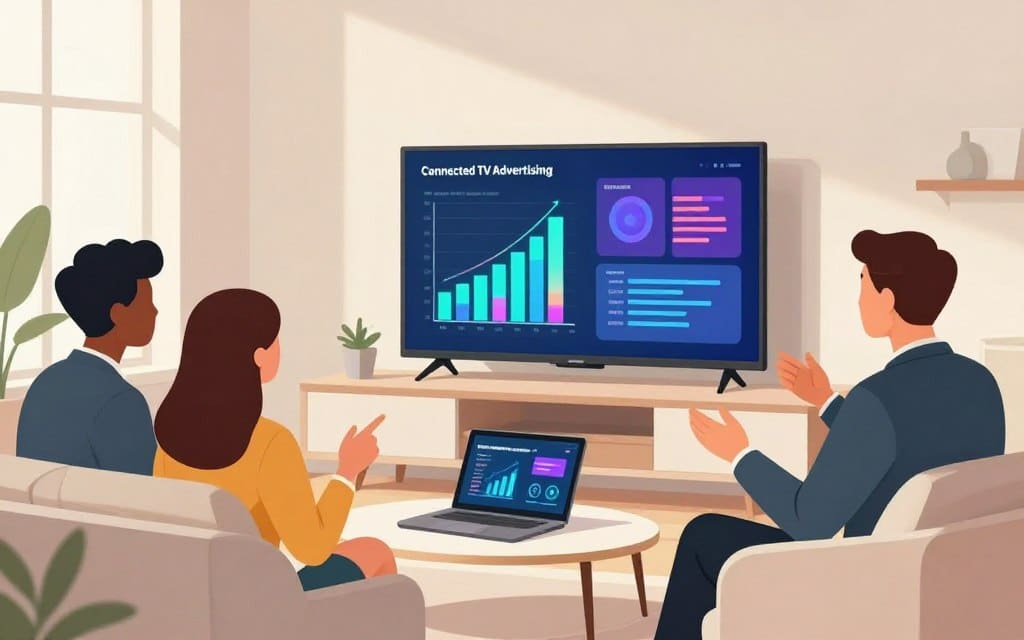
Precision Targeting with Data-Driven Insights
You can target audiences based on education, income, interests, and buying behaviors. This precision works like Facebook and Google campaigns but reaches people on their main TV.
Bring your own customer data to the mix. Reach people who visited your website, made purchases, or joined your loyalty program. You’re not wasting money showing ads to everyone.
Data-driven insights help you make smarter decisions about who sees your campaigns and when. This targeting accuracy ensures your advertising budget works harder for you.
Maintaining Brand Safety and a Consistent Experience
CTV platforms offer a level of control over ad placement that traditional TV simply can’t match. You decide exactly where your message appears. This control is vital for protecting your business reputation.
I’ll show you how to keep your brand safe and create a seamless experience for customers. They should recognize your business whether they see an ad on their TV, phone, or laptop.
Ensuring Content Quality and Safe Environments
You can verify the content quality before your campaign starts. Check the specific shows and apps where your ads will appear. This happens at the app or program level.
Your ads appear alongside professionally produced shows and films. They avoid questionable content that could hurt your reputation. Viewers associate your brand with the trusted programming they enjoy.
This makes your business look more credible and established. Industry data shows how seriously advertisers take this.
| Advertiser Priority | Focus Area | Percentage |
|---|---|---|
| Top Priority | Premium Video Content | 89% |
| High Priority | Ad Fraud Prevention | 84% |
| High Priority | Brand Safety Measures | 83% |
Building a Unified Brand Message Across Platforms
This type of advertising fits perfectly into an omnichannel marketing strategy. It helps create a compelling brand journey for consumers. Your message stays consistent across multiple platforms and devices.
Maintaining this consistency builds trust with customers. It protects your business reputation everywhere your ads appear. A unified experience makes your brand stronger and more recognizable.
Sophisticated Targeting and Effective Retargeting Approaches
You can now reach viewers with surgical precision based on what they watch and how they behave. This targeting goes far beyond basic demographics.
Contextual and Cross-Device Targeting Options
Contextual targeting matches your ads to relevant content. Show sports equipment during live games or cooking products during food shows. This approach connects with engaged viewers.
Cross-device targeting follows people across their screens. Someone might start watching on their TV, continue on their tablet, and convert on their phone. You maintain consistent messaging throughout their journey.
| Targeting Type | How It Works | Best Use Case |
|---|---|---|
| Contextual | Ads appear during relevant content | Product launches, event sponsorships |
| Cross-Device | Follow users across multiple screens | Customer journey optimization |
| Behavioral | Based on viewing habits and interactions | Retargeting campaigns |
Leveraging First-Party and Third-Party Data
Your own customer data becomes powerful here. Target website visitors, email subscribers, or past buyers. They already know your brand.
Third-party data helps find new audiences. Expand your reach based on interests, behaviors, or demographics you don’t track internally.
The most effective campaigns combine both data types for comprehensive audience coverage.
Retargeting brings back interested viewers. Show relevant ads to people who engaged with your content but didn’t convert. This completes the customer journey.
Real-Time Data Collection, Measurement, and Optimization
Data transforms your streaming campaigns from guessing games into precision tools. You see results as they happen, not weeks later when it’s too late to make changes.

Tracking Performance with Clear Metrics
Focus on key metrics that show true campaign success. Track cost per thousand impressions (CPM) and cost per completed view (CPCV). Monitor view-through rate (VTR) and video completion rate (VCR).
These numbers tell you exactly how viewers engage with your content. You’ll know which placements work best and where to allocate more budget.
Techniques for In-Flight Campaign Adjustments
Make changes while your campaign runs. Shift spending to better-performing channels. Adjust targeting based on real audience behavior.
Use frequency capping to control how often people see your ads. This prevents viewer fatigue and maximizes your budget.
One luxury retailer used this approach effectively. They increased conversion rates by 8% across several campaigns. Their most recent effort delivered a 23.5X return on ad spend.
Real-time optimization gives you the flexibility traditional advertising lacks. You respond to performance data immediately rather than waiting until your budget is spent.
Creative Opportunities with Interactive and Shoppable Ads
The real power of CTV lies in its ability to let viewers interact with your message directly. You move beyond simple video spots into experiences that drive action.
Using Interactive Ad Formats to Boost Engagement
Imagine a viewer seeing your ad and scanning a QR code to visit your site without leaving their couch. Roughly 30% of people have done this.
Platforms support on-screen URLs and clickable overlays. These features encourage people to engage instead of just watching.
Best practices make these formats work. Display your call-to-action clearly on screen. Say it out loud in your video. Make the next step simple for the viewer.
- QR codes for instant website visits.
- Clickable overlays for more information.
- On-screen URLs for direct response.
Integrating Voice-Activated Platforms for Dynamic Ads
Voice technology creates a dynamic experience. Viewers can use voice commands to interact with your ads.
For example, someone watching a cooking show could ask Alexa for the recipe featured in your commercial. They could even find nearby stores carrying your product.
This turns a standard ad into a helpful conversation. It’s a powerful way to integrate your step-by-step guide for YouTube TV into a broader, interactive strategy.
Empowering Small and Local Advertisers with CTV
The playing field has leveled for small advertisers wanting to reach local audiences effectively. Streaming platforms now welcome businesses of every size.
Local advertisers can target specific ZIP codes or neighborhoods around their store. This precision comes from IP address technology that identifies viewer locations.
Local Targeting Capabilities for Better Reach
An auto dealership with three locations can send different commercials to viewers near each store. This geographic customization makes your message more relevant.
You reach cord-cutters and heavy streaming viewers who avoid traditional TV. This audience tends to be younger, more educated, and more affluent.
Accessible Budget Options for Lower Order Values
Many CTV platforms offer low daily minimums and flexible spending. You don’t need a six-figure budget to start your campaigns.
Self-serve tools let small businesses launch ads without agency help. Track performance in real time through easy dashboards.
Test new markets with entry-level budgets and scale as you see results. This approach delivers better outcomes for less money than linear TV.
Conclusion
Your advertising strategy deserves the same modern approach that your customers use for entertainment. I’ve shown you how CTV advertising helps businesses reach audiences missing from other channels.
The real advantages include precise targeting, high completion rates, and measurable performance. You can access 90% of U.S. households that now stream content regularly.
Small businesses can compete effectively without massive budgets. Start with local targeting and entry-level spending. Then scale your campaigns as you see positive results.
You now understand why viewer habits shifted to streaming platforms. Your marketing needs to follow them there. The measurement tools and creative formats make this approach accessible today.
Take action now by exploring self-serve platforms. Test your first campaign in a local market. Track performance closely to optimize your advertising spend for maximum impact.
