
Finding the right social media ad targeting options shouldn’t feel like throwing your hard-earned cash into a digital void. I know firsthand how frustrating it feels to watch your marketing budget vanish while your phone stays quiet. With over five billion people using social media in 2024, your ideal customers are definitely out there waiting to find you.
I have spent years testing various targeting methods to see what actually helps a small business grow. This guide explains how to use platform data to find a specific audience without needing a massive bank account. You don’t need a fancy marketing degree to master these ads; you just need a smart, logical path.
I will show you exactly which options help you connect with real people who truly want what you sell. Stop guessing and start using the rich information available to build a sustainable audience for your brand. My goal is to help you reach more people while spending much less on every single click.
Key Takeaways
- Identify your ideal customers using specific platform data and user behavior.
- Reduce wasted marketing spend by narrowing your focus to high-intent users.
- Connect with a portion of the five billion active users on modern platforms.
- Scale your business growth effectively even with a limited daily budget.
- Use proven ethical methods to build audiences that actually convert into sales.
- Apply practical tactics from real-world testing to lower your overall costs.
Understanding Social Media Ad Targeting
I learned the hard way that throwing ads at everyone hoping to find customers burns through money faster than any other marketing mistake. When I first started, I thought a bigger reach always meant more sales, but I was quickly proven wrong.
Effective audience targeting is what separates a successful campaign from a costly failure. It is the process of sorting potential buyers into groups based on their shared habits and traits.
What Is Audience Targeting
At its core, this method helps you identify the specific group of individuals most likely to buy your product. While your target market includes anyone who could use your services, your target audience is the precise group you are speaking to right now.
I like to think of it as a filter for your message. It uses demographics, interests, and online behaviors to ensure your voice reaches the right ears.
“Targeting is not about excluding people; it is about being relevant to the right ones.”
Why Targeted Advertising Still Matters in 2025
In today’s digital advertising landscape, attention is the most valuable currency. To capture it, you must use effective strategies that put your message where it matters most.
Even a small brand can compete with industry giants if they know exactly who they are talking to. Precision beats a large budget every single time.
Better ROI Through Precision
I have seen small businesses cut their costs in half by narrowing their focus. Better audience targeting leads to a higher return on investment because you only spend money on high-intent users.
Reduced Wasted Ad Spend
By refining your search, you stop paying for clicks from people who have no interest in what you offer. This keeps your business healthy and allows your budget to last much longer.
The Challenges of Modern Targeting
Modern advertising isn’t without its hurdles, especially when it comes to frequency capping. If you show an ad too many times, you risk annoying your fans, but too little and they forget you exist.
Privacy Regulations and Data Restrictions
New laws have changed how platforms collect data, but advertising is still very effective. It simply requires smarter audience targeting and a greater reliance on your own customer lists.
Finding the Balance Between Reach and Relevance
The real trick is finding the sweet spot between reaching enough people and staying relevant. Personalization is key; if an ad feels generic, users will simply scroll past it without a second thought.
| Comparison Factor | Target Market | Target Audience |
|---|---|---|
| Overall Scope | Broad group of potential buyers | Specific segment for one campaign |
| Primary Goal | General brand awareness | Immediate conversion or action |
| Example | All pet owners in the U.S. | New puppy owners in Seattle |
| Message Type | Educational and inclusive | Direct and personalized |
Core Social Media Ad Targeting Options
When I first started running ads, I felt overwhelmed by the sheer number of dials and knobs in the dashboard. Understanding the fundamental targeting options is the first step toward spending your budget wisely. You do not need a massive team to master these basic options for your business.
I have learned that precision matters more than a huge reach. By focusing on your core audience, you stop wasting money on people who will never buy. Let us break down the primary ways you can define your ideal customer.
Demographic Targeting
Think of demographics as the skeleton of your campaign structure. These details provide the basic framework for who sees your content. I always start here to build a solid foundation for any new ad set.
Age and Gender Filters
Platforms collect age and gender data directly from users when they create their profiles. I always set a specific age range because showing senior living ads to teenagers is just throwing money away. This simple step ensures your message reaches the right life stage.
Location-Based Targeting
You can target people by country, state, or even a specific zip code. This ensures your message stays relevant to the local community you serve. It is vital for small businesses that only operate in certain regions.
Income and Education Levels
Platforms use profile data to interpret education levels and parental status. This layer of demographics helps you reach people with the specific life experience or buying power you need. It narrows the field to those most likely to afford your services.
Interest-Based Targeting
While demographics tell you who they are, an interest tells you what they actually care about. This method matches your ads with people based on their hobbies and favorite topics. It is the best way to find passionate communities online.
Success does not come from the size of your budget, but from the precision of your aim.
How Platforms Determine User Interests
The platform watches which pages users like and which ads they click on most often. It builds a profile of specific interests based on their daily digital footprints. This creates a highly personalized experience for every person on the app.
Finding the Right Interest Categories
I have found that searching for specific terms often works better than just browsing categories. Not every niche interest is visible in the standard dropdown menus. Type in your competitors or specific tools your audience uses to find hidden gems.
Behavioral Targeting
This is where we look at actual behavior to predict future needs. It focuses on what people do rather than just what they say they like. These targeting options provide the most powerful options for driving direct sales.
| Targeting Type | Primary Focus | Primary Data Source |
|---|---|---|
| Demographics | Identity | User Profiles |
| Interests | Affinity | Engagement/Likes |
| Behaviors | Action | Purchase History |
Purchase Behavior Signals
A user who frequently clicks “Shop Now” buttons provides a clear signal of intent. This behavior data comes from tracking pixels that record activity outside of social media. It identifies people who are actively in a buying mindset.
Device Usage Patterns
Knowing if users prefer mobile or desktop helps you design better creative. I use this to ensure my landing pages look perfect on the screens my audience uses most. Optimization starts with understanding the hardware your customers hold in their hands.
Platform-Specific Targeting Features
Have you ever wondered why your Facebook ads thrive while your LinkedIn campaigns struggle to get a single click? I’ve learned that every platform builds its own tools based on the specific data it collects. What works on one platform rarely works the same way on another.
I always suggest testing your audience across different platforms to see where your money goes further. Understanding these features helps you spend your budget wisely instead of spreading it too thin. Every platform has a “sweet spot” for specific business goals.
Facebook and Instagram Targeting Options
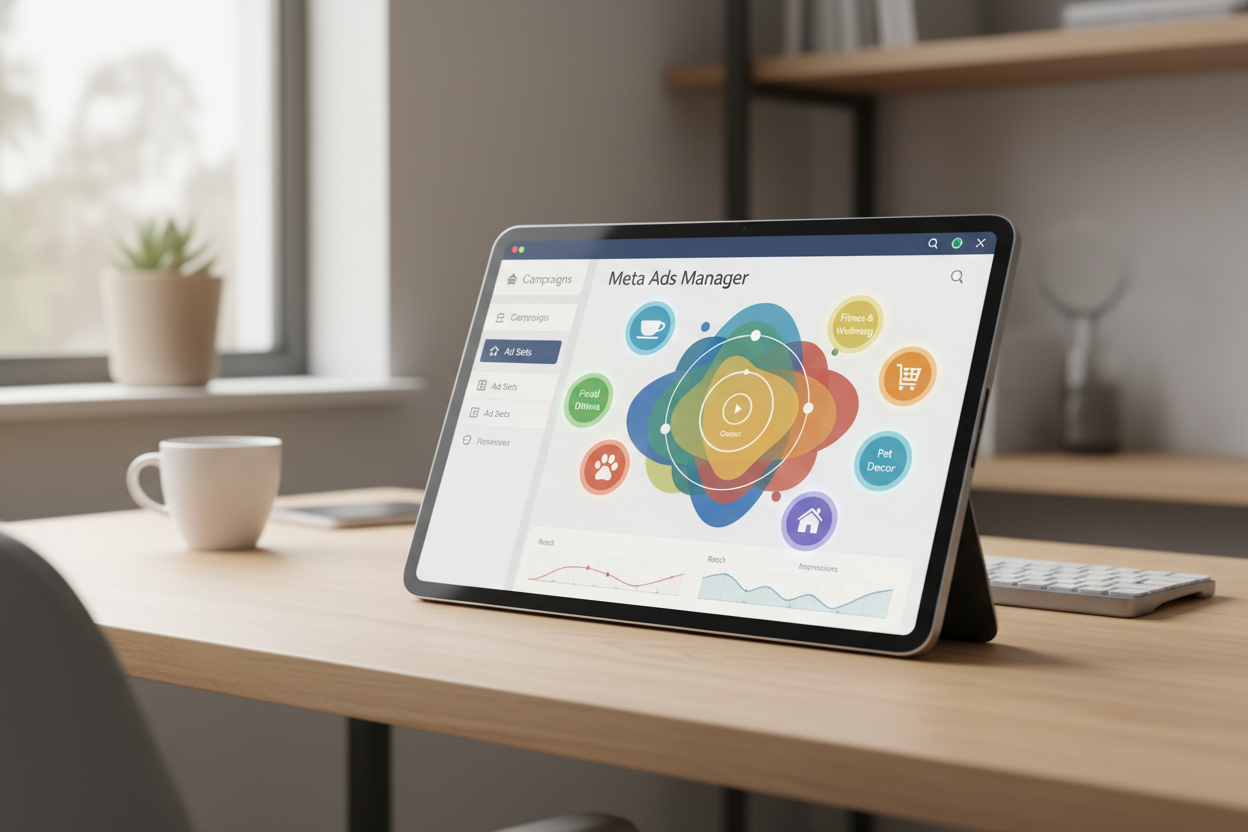
Facebook reached over three billion monthly users in 2024, making it a powerhouse for data. I use meta ads to combine demographic filters with very specific custom audience tools. Through the ads manager, you can layer these filters to find people who are truly ready to buy.
Detailed Targeting in Meta Ads Manager
I find that layering interests and behaviors together creates the most affordable audiences. This approach ensures your social media budget isn’t wasted on broad groups. Meta ads let you get incredibly specific with who sees your content.
Life Events and Milestones
Life events targeting is one of my favorite secrets for success. You can reach people during major moments like moving, getting married, or starting a new job. These are times when people are most likely to make big purchase decisions.
Connection Targeting
This feature helps you reach people who already interact with your media pages. It builds on existing trust, which usually leads to a lower cost per conversion. It is a simple way to stay in front of your biggest fans.
LinkedIn Targeting for B2B Campaigns
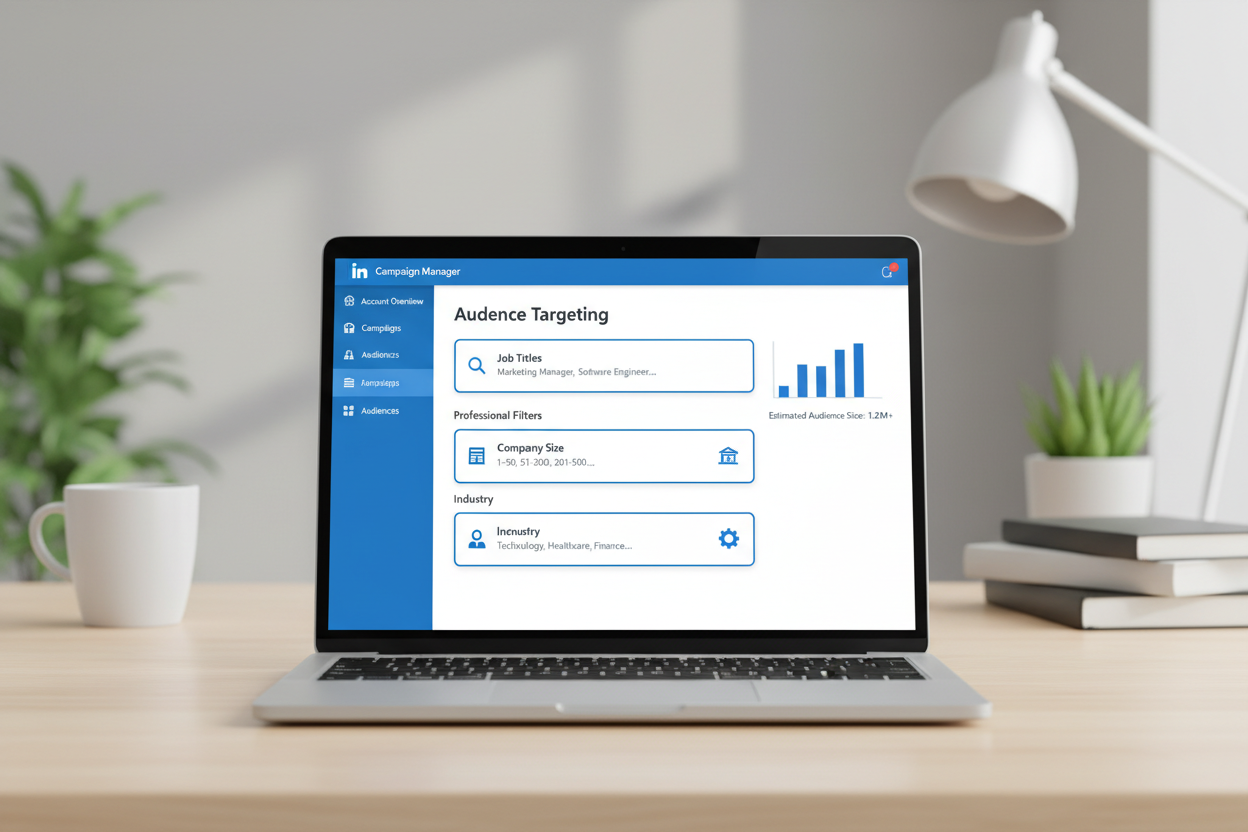
LinkedIn is my primary platform for any B2B campaign. The professional manager tools here offer filters that simply don’t exist on other sites. You can target users by their specific career path rather than just their hobbies.
Job Title and Company Size Filters
You can pick the exact job titles you want to reach. I also use company size filters to ensure I’m talking to the right scale of business. This prevents you from wasting social media ads on companies that can’t afford your services.
Industry and Seniority Targeting
Seniority filters allow me to skip the entry-level staff and go straight to the decision-makers. This is vital when you need a “yes” from a CEO or Director. It makes your platform spend much more efficient.
TikTok Audience Targeting
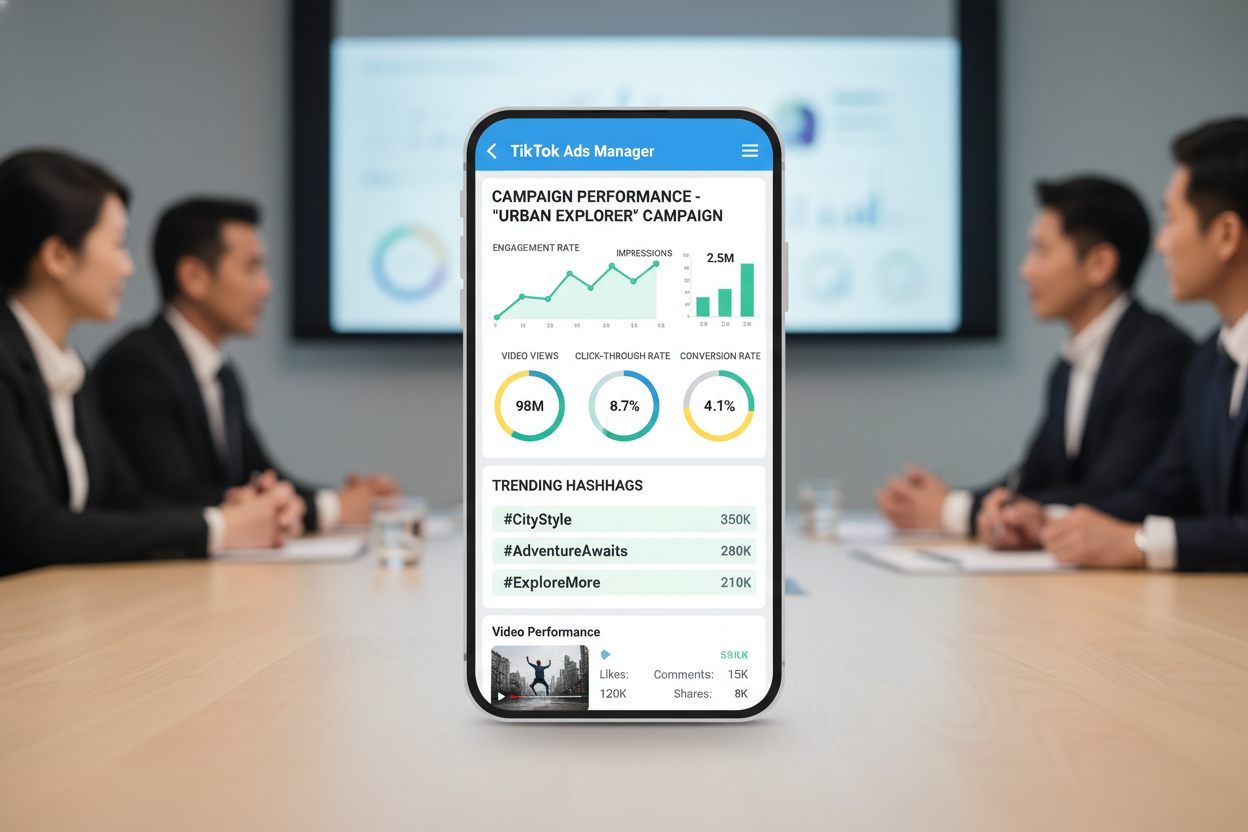
TikTok attracts a younger audience that responds to very different signals. The ads manager on this platform focuses on how users engage with specific media styles. It is less about who they are and more about what they do.
Video Interaction Targeting
I target people based on their specific video watching habits. If someone watches a full clip about DIY crafts, they are a perfect lead for a craft store. This behavior-based platform tool is incredibly accurate.
Hashtag and Creator Engagement
You can reach people who follow specific creators or use certain hashtags. This puts your brand right in the middle of active, trending conversations. It’s a great way to make your social media presence feel organic.
Twitter (X) Real-Time Targeting
This platform is built for the “now,” which makes it perfect for time-sensitive offers. I use it to jump into live events as they happen. It’s the best platform for staying relevant in a fast-moving market.
Conversation and Event Targeting
You can target users who are currently talking about a specific event or keyword. I’ve used this to reach people during big industry conferences or sports games. It keeps your social media ads feeling fresh and timely.
Follower Lookalikes
Follower lookalikes let me target people who follow my competitors. This is a brilliant way to find a pre-qualified audience. It helps you grow your own platform following by reaching people who already like similar brands.
Custom Audiences and First-Party Data
Creating custom audiences is like having a direct line to people who already love your business. I truly believe that the most powerful tool in your marketing shed is the data you already own.
This first-party data includes things like your email subscribers and past buyers. It is incredibly accurate because it comes from people who have interacted with your brand directly, making it better than any third-party source.
Building Targeted Groups from Contact Lists
Starting with a list of your existing customers is a game-changer for any small business. I often upload my email contacts directly to platforms like Meta to find matching profiles.
CRM Data Integration
You can connect your CRM directly to your ad account to automate this process. This allows you to create custom audiences based on real purchase history or specific lifetime value.
Email List Uploads
If you do not have a CRM, a simple CSV list works just as well. I use these to reward loyal shoppers with special offers that only they can see.
Reaching Recent Website Visitors
Have you noticed how an ad for a product you just viewed follows you around? This is audience targeting done through website tracking, and it is highly effective for converting window shoppers.
Pixel-Based Tracking
A small piece of code called a pixel watches what people do on your site. It helps you build a custom audiences segment of people who abandoned their carts or viewed a specific service.
URL-Specific Audiences
I also create groups based on specific pages to ensure my message is relevant. Someone who visits your pricing page is much closer to buying than someone who only read a single blog post.
First-party data is the most reliable way to connect with your customers because it is based on real interactions, not guesses.
Leveraging App and Offline Interactions
Tracking does not have to stop at the browser window. You can reach users based on their specific actions within a mobile app or even at your physical storefront.
In-App Actions
If you own an app, you can target users who reached a certain level or opened the app recently. This keeps your brand top-of-mind and encourages them to return.
Point of Sale Data
You can even upload data from your physical shop. This helps you find your target audience as a small by bridging the gap between offline sales and online ads.
| Source | Data Type | Main Benefit |
|---|---|---|
| Email List | Contact Info | High Match Rate |
| Website Pixel | Behavioral | Real-Time Intent |
| Offline Events | Transactional | Bridges Store Sales |
Using this data ensures your targeting stays sharp even as privacy rules change. It allows for true personalization that makes every audience member feel like you are speaking directly to them.
Lookalike Audiences for Scaling
Lookalike audiences have been the secret sauce for my most successful campaigns when I needed to scale quickly and efficiently. I rely on this audience strategy to find new people who act just like my best buyers. This approach allows me to expand my reach without manually guessing which interests to target next.
“Success in digital advertising comes down to how well you can replicate your best results using automated patterns.”
How Lookalike Audiences Work
I give the platform a source list, and its AI creates a persona of my ideal buyer. It then looks for millions of other audiences that share the same digital footprint. This method uses real data to find high-probability prospects that I haven’t reached yet.
The Pattern Recognition Process
The system analyzes thousands of different signals from your source audience. It identifies common threads like shopping habits, online behaviors, and specific interests. I find that this process removes the human error from finding new users.
Platform AI Analysis
The AI determines which traits are most important for conversion. It then scans the entire population to target people with those exact characteristics. This ensures my budget goes toward audiences that are statistically likely to engage.
Choosing the Right Source Audience
The quality of your lookalike depends entirely on the quality of the list you provide. If I feed the system information from bargain hunters, it will simply find more bargain hunters. I always prioritize high-quality data to ensure the best results.
Ideal Source Audience Size
I aim for a source audience between 1,000 and 5,000 people for the best results. While you can start with just 100 users, smaller lists don’t give the AI enough information. Lists that are too large can make the final group feel too general.
High-Value Customer Sources
I prefer using my highest-spending customers as the seed list whenever possible. This tells the platform to prioritize finding people who are likely to spend money rather than just clicking. It is a simple way to maintain relevance while scaling my reach.
Selecting Lookalike Percentage Sizes
When setting this up, I have to choose a percentage range for my new lookalike group. This percentage tells the platform how closely the new group should match my original source. It is the main lever I use to control both reach and precision.
1% vs 10% Lookalike Audiences
A 1% lookalike is the closest match to my original source, but it offers the smallest reach. As I move toward a 10% audience, the size increases but the similarity to my source begins to thin out. I find that the 1% range usually converts the best for tight budgets.
Testing Different Percentage Ranges
I always recommend testing different tiers to see where the best balance lies for your specific niche. Sometimes a 3% or 5% lookalike provides the volume I need without losing too much quality. I keep testing these audiences until I find the sweet spot for conversion costs.
Retargeting and Remarketing Strategies
I have found that getting a one-time buyer to purchase again increases the likelihood of another purchase by 95%. This makes retargeting one of the most profitable campaigns you can run for your small business. By connecting your online or offline data, you can drive product discovery and repeat sales effortlessly.
I love nurturing consumers based on their previous site or app engagement. You can reach existing customers using data from tracking pixels or even offline lists. This precise targeting ensures your message sticks without wasting your hard-earned budget on cold leads.
Recovery for Abandoned Carts
I set up cart abandonment campaigns to reach people within hours of them leaving items behind. This is when their purchase intent is at its peak. It is a simple way to remind them what they liked and encourage them to finish the order.
Timing Your Retargeting Campaigns
In my experience, time matters enormously for a successful campaign. I have found that retargeting too quickly can feel pushy to some customers. However, waiting too long means people might forget you or buy from a competitor instead.
Incentive-Based Messages
Sometimes your audience just needs a little nudge to complete their checkout. I often offer a small incentive like free shipping or a discount code in these ads. This strategy often tips the scales for those who were on the fence about their purchase.
Engagement with Your Content
Not everyone is ready to buy the moment they first see your brand. I create separate targeting groups based on how someone interacts with my content. This allows me to serve the right message at the right stage of the journey.
Video View Audiences
A video view audience lets you reach those who have already watched your brand story. I use these targeting options to show them the next logical step in the sales process. It is a great way to build trust before asking for a sale.
Blog Reader Retargeting
I treat blog readers differently than product page visitors. Since they are looking for information, my campaigns for this group focus on education. I want to show this audience that I am an expert who can solve their specific problems.
Multi-Channel Remarketing Tactics
Your audience moves between different apps and websites all day long. Cross-platform targeting follows them from Facebook to Instagram, reinforcing your message through various ads. This approach makes your small business look much more established and professional.
| Strategy Type | Best Audience | Primary Goal |
|---|---|---|
| Cart Recovery | High Intent Shoppers | Finish Purchase |
| Brand Story | Video Viewers | Build Trust |
| Educational | Blog Readers | Lead Nurturing |
Sequential Messaging Strategy
I use sequential messaging to show different ads over time. Instead of repeating the same thing, I tell a story that moves the audience closer to a purchase. Each interaction in the campaign adds a new layer of value to our relationship.
Frequency Capping Best Practices
Frequency capping is crucial for keeping your campaigns healthy and profitable. I always set limits to prevent ad fatigue, which can damage your brand reputation. Finding the sweet spot ensures your message stays effective without annoying your future customers.
“Getting someone to buy a second time increases the chance they’ll buy again by 95%, making retargeting some of the most profitable ads you can run.”
Automated Targeting with AI
Giving up control over your ad targeting feels scary, but modern AI might actually find your customers better than you can.
I was skeptical of giving up control at first, but I tested automated targeting against my manual efforts.
The AI often found customers I would have missed.
Major platforms process billions of data points that humans simply cannot analyze manually.
By letting the machine take the lead, you allow the system to learn from every interaction in real-time.
Meta Advantage+ Audiences
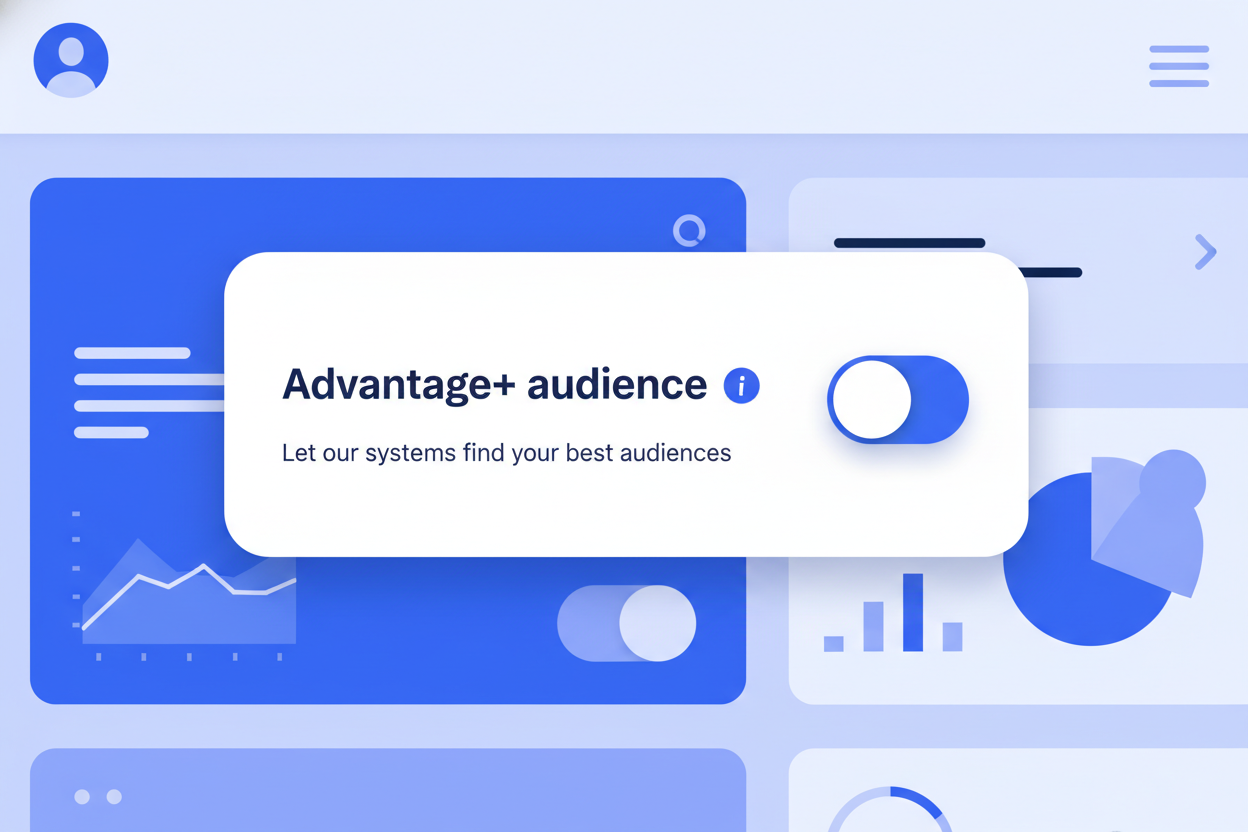
Meta advantage+ campaigns are effectively machine learning taking over your broad targeting.
This automated tool aims to find your ideal audience and get you the specific results you want.
How Machine Learning Finds Your Customers
The platform analyzes your past conversion data and pixel information to understand your customer.
It looks at how a user has interacted with your previous ads to find similar patterns.
Audience Suggestions vs Full Automation
You can add audience suggestions to guide the automation, but it is optional.
The system will likely start there and then branch out if it sees a way to improve results.
When to Use Automated vs Manual Targeting
Deciding between these options depends on your data and goals.
I still use manual targeting when I need precise control for very specific niches.
Accounts That Benefit from Automation
Accounts with lots of conversion data benefit most because the AI has historical performance to learn from.
If you have a healthy campaign history, the advantage automation usually wins.
Situations Requiring Manual Control
Local service businesses often need manual filters to stay within a tight geographic area.
If you need absolute control, advantage+ features might not be the right choice for that specific ads set.
Testing Automated Targeting Options
The best way for advertisers to know what works is through direct comparison.
Testing side by side shows you which approach works better for your specific budget.
Setting Up Comparison Tests
Try running an A/B test with one manual audience and one automated audience.
Keep your creative elements the same so you only measure the targeting difference.
Interpreting Automated Campaign Results
Give each campaign enough time to gather data before making a final decision.
You might find that the user behavior changes as the AI optimizes its reach over several weeks.
Measuring Your Targeting Success
Evaluating how your specific segments perform is the most reliable way to reach your business goals. I have learned that watching the data closely helps me see which audiences truly connect with my brand and which ones just ignore my message. Measurement isn’t just about looking at pretty charts; it is about making your money work harder.
Modern tracking tools give us deep insights into how every user interacts with our content. I use these details to stop guessing and start knowing what drives growth. When I analyze my data, I look for better results by comparing how different people respond to the same offer.
Key Metrics to Track for Each Audience
I track different metrics for every segment. What works for a young professional might fail for a retiree. By keeping these groups separate, I can see the truth behind the numbers.
Click-Through Rate by Segment
The click-through rate (CTR) tells me if my targeting and messaging are a good match. If an audience finds my ads interesting, they will click. A low CTR usually means I need to change my creative or find a different group of people.
Conversion Rate Differences
Conversion rate matters much more than simple clicks. I’ve seen audiences that click on everything but never buy a single thing. You want to focus on the people who take action and help you achieve your campaign objectives.
Cost Per Acquisition Analysis
This metric shows exactly what I am paying to get a new customer. I calculate this for every segment to ensure I am not overspending. It helps me stay profitable even when ad costs rise.
Cost Per Result by Audience Segment
Finding the right balance between cost and quality is a constant task. I compare the results across all my active sets to find the most efficient path forward. This prevents me from wasting my limited resources on groups that are too expensive.
Identifying Your Most Efficient Audiences
I look for the “gold mine” segments that give me the most value for every dollar. Once I find them, I try to understand why they perform so well. This insight allows me to create even better results in future campaigns.
Budget Allocation Based on Performance
I always move more budget toward the groups that are winning. If a specific audience is too pricey, I pause those ads immediately. Smart budget management ensures that my campaign stays healthy and sustainable over the long term.
“Measurement is the first step that leads to control and eventually to improvement.”
Audience Overlap and Frequency Management
Managing how often people see your message is vital for maintaining a good reputation. I try to keep my targeting clean so I don’t overwhelm my potential customers. This keeps the brand feeling fresh and helpful rather than annoying.
Avoiding Auction Competition with Yourself
Audience overlap happens when the same person falls into multiple groups. When this occurs, you are essentially bidding against yourself in the auction. I use exclusion lists to keep my audiences unique and keep my costs down.
Optimal Frequency Ranges
Frequency tells me how many times the average person saw my ad. I usually aim for a frequency between 2 and 4 for standard awareness. If it gets too high, people get “ad fatigue” and stop paying attention to the message.
| Metric Type | Ideal Range | Why It Matters |
|---|---|---|
| CTR (Cold) | 1% – 2% | Shows initial interest |
| Frequency | 2 – 4 | Prevents annoying users |
| Conversion Rate | 2% – 5% | Measures actual sales |
Conclusion
Navigating the complex world of social media advertising can feel like a maze, but you now have a map. I have walked you through every major targeting strategy available today. From basic demographics to advanced AI automation, you now see what is possible for your business.
Social media ad targeting gives you more control than any other channel. This control means you can finally stop wasting media spend on the wrong people. Modern platforms want you to succeed because they thrive when your ads work.
Their media tools adjust targeting settings based on results and specific actions. Success for advertisers means using smart targeting while respecting privacy. This strategy helps your brand build stronger customer connections over time.
I recommend starting with simple targeting options first. Focus on customer data and basic demographic options to find your footing. As you grow, add advanced strategies like lookalike audience groups to scale your reach.
These media tools help you target people similar to your best customer. Don’t let the technical media aspects of social media intimidate you. Your business needs a media strategy that evolves with the market.
Use effective strategies to reach your audience and improve your brand awareness. Every customer interaction provides valuable data for your social media efforts. By testing different targeting options, advertisers can find what truly works for their brand.
Mastering these social media ad targeting options transforms your advertising approach. It changes media spend from guesswork into a predictable social media system. Advertisers who use data to target the right audience see consistent results.
Your brand can reach more people without a massive media budget. Stay focused on your customer and keep testing social media strategies. The right advertising media plan makes your business grow sustainably.
Use social media data to reach people who care about your mission. This media target approach ensures your social media advertising stays strong. Start today and watch your social media media results improve significantly.
