
Peter Drucker once said, “Efficiency is doing things right; effectiveness is doing the right things.” For anyone investing in advertising, this wisdom is powerful.
I understand the struggle. You’re watching your ad budget get clicks, but those clicks aren’t turning into customers. It feels like money is slipping away.
Here’s a hard truth. The average website turns only about 2 out of every 100 visitors into a customer. For many, it’s far less.
Let’s make it real. Say you spend $10,000 a month on ads at $5 per click. You get 2,000 visitors. With a 2% conversion rate, that’s 40 leads. Each lead costs you $250.
Now, boost that performance to just 5%. You now get 100 leads from the exact same spend. Your cost per lead plummets to $100.
That’s 2.5 times more business without a single extra dollar in ad spend. This guide is about making that shift happen for you.
I’ll walk you through practical tactics I’ve tested. They are designed for small teams and limited budgets. You can start using them today.
Key Takeaways
- Most websites have a low conversion rate, often around 2% or even less.
- Improving your conversion rate is a more powerful lever than simply buying more traffic.
- A modest improvement, like moving from 2% to 5%, can more than double your leads from the same budget.
- This approach drastically lowers your cost per acquisition, making your ad spend far more efficient.
- The strategies shared are based on real-world experience and are immediately actionable.
- Focusing on conversion optimization delivers a better return on your existing advertising investment.
Understanding Conversion Rates and Their Impact
You’ve driven traffic to your site, but are those visitors becoming customers? That’s the fundamental question your conversion rate answers.
Your conversion rate is the percentage of site visitors who complete a desired action. This could be a purchase, a sign-up, or a quote request.
Assessing Traffic Versus Conversions
Here’s a simple example. If 100 people land on your page and four make a purchase, your conversion rate is 4%. That’s a strong performance.
Many businesses fixate on getting more traffic. They pour money into ads. Yet, they ignore the visitors they already have. It’s like filling a bucket with a hole in it.
Traffic has a real cost. You pay for ads. You invest time in content. Squeezing more value from your existing visitors is a smarter financial move.
Boosting your conversion rate directly lifts revenue. You get more customers without spending more on marketing. Your return on investment improves immediately.
The jump from a 2% to a 4% conversion rate doubles your customer count. It doubles your revenue from the same budget. This is the power of optimization.
Understanding this relationship lets you invest wisely. Focus on converting the traffic you already pay for. Tools like A/B testing ad creatives can provide crucial insights for this work.
Defining Your Unique Value Proposition
A clear value proposition turns curious visitors into committed customers. It answers their most pressing question: “Why should I choose you?”
This is the single most important message on your page. It tells people why they should act now instead of scrolling away.
I’ve tested dozens of these statements. The best ones are dead simple. They speak directly to what your audience actually cares about.
You don’t need fancy copywriting skills. Understand your customer’s problem. Explain how you solve it better than anyone else.
Look at Mailchimp’s approach: “Take your business online in minutes.” It’s not clever. It’s straightforward and addresses exactly what their audience wants.
Your value proposition must appear above the fold. You have about three seconds to convince someone to stay.
Focus on benefits and outcomes, not features. People buy solutions to their problems.
| Weak Approach | Strong Approach | Impact on Visitor |
|---|---|---|
| Lists technical features | Highlights the primary benefit | Immediately understands the “what’s in it for me” |
| Uses industry jargon | Uses clear, customer-centric language | Feels addressed and understood |
| Vague about the outcome | Specifically states the desired result | Can visualize the success you provide |
| Buried in page content | Prominent above the fold | Makes a quick decision to engage further |
When you nail your value proposition, everything gets easier. Visitors understand your offer and why it matters. This naturally leads to higher conversions.
How to Increase Ad Conversion Rate on a Tight Budget
For small teams, optimization isn’t a luxury—it’s survival. You need tactics that cost nothing and work fast.
I’ll show you changes that deliver immediate wins. These fixes focus on removing friction and building trust quickly.
Actionable Tactics for Small Businesses
Start with your forms. Expedia made $12 million more by deleting one field. Long forms scare 27% of users away.
Add customer testimonials. This social proof can boost your conversion rates by 34%. It tells new visitors that others trust you.
Remove distractions. Analysis of 20,000 pages shows more links mean lower conversions. Keep the focus on your primary offer.
| Tactic | Example Impact | Best For |
|---|---|---|
| Remove unnecessary form fields | Expedia: +$12M profit | Checkout or lead capture pages |
| Add customer testimonials | Up to 34% conversion lift | Homepages and service pages |
| Simplify page navigation | Higher engagement, fewer exits | Landing pages with a single goal |
| Speed up page load time | Faster experience retains customers | All pages, especially on mobile |
Effective Strategies for Freelancers
Your conversion rate is a secret weapon. It gets you more clients from the same traffic.
Focus intensely on social proof. Display client logos and brief case studies. Potential customers need to trust you fast.
Clarify your unique value proposition in one line. Explain what you do and why it matters. This is the best way to stand out.
Test one change at a time. You’ll see what moves the needle for your business.
Optimizing Above-the-Fold Content for Immediate Impact
You have mere seconds to capture attention and communicate value. This is the power of your page’s “above-the-fold” area.
It’s the content visible before scrolling. Visitors decide to stay or leave based on this first glance.
Your unique value proposition belongs here, front and center. It’s your elevator pitch in visual form.
A punchy headline is the star. Support it with a compelling hero image and a clear call-to-action. Every element must work together.
The biggest mistake is cramming too much information. Clutter overwhelms people and hurts your conversion goal.
Focus on one main message and one primary action. Giving multiple options causes decision paralysis.
I’ve tested this across industries. Clean, focused sections consistently outperform cluttered ones.
Make each element earn its place. If it doesn’t help visitors decide, cut it. Your results will thank you.
Designing Clear and Engaging Call-to-Action Buttons
Think of your CTA button as the gateway between interest and action. It’s where all your hard work pays off—or falls flat.
I’ve seen beautiful pages fail because the button was an afterthought. Your visitors need a clear, compelling reason to click.
Best Practices for Button Design
First, your button copy must be specific. Generic labels like “Submit” tell people nothing. Try “Yes, I want my free guide!” instead.
This tells users exactly what they get. Action-oriented language drives clicks.
Next, consider the physical design. Rounded buttons get 17% to 55% more clicks than sharp ones. Use a contrasting color that pops on your page.
Make it big enough for a thumb tap on mobile. Small buttons frustrate users and kill your conversion potential.
Place your primary button above the fold. Repeat it once or twice as visitors scroll. Always keep the main action obvious.
Testing different phrases helps. Sometimes “Get my trial” outperforms “Start your trial.” Small tweaks can lift your conversion rates.
Every element should guide visitors toward that single click. It’s the final, decisive step.
Leveraging Social Proof and Trust Signals
The most persuasive voice in your marketing isn’t yours—it’s the voice of your satisfied customers. People trust peers more than any brand message.
This social proof is a powerful tool. It directly addresses the natural skepticism of online shoppers.
Using Customer Testimonials
I’ve tested adding testimonials dozens of times. The results are consistently impressive.
Specificity is everything. Skip the generic “Great product!” quote. Use a detailed story instead.
“This service saved me 10 hours a week on admin tasks, letting me focus on client work.”
That kind of proof from real customers is compelling. Research shows reviews can boost conversion rates by up to 270%.
Place this content prominently. Don’t bury it at the bottom of the page.
Incorporating Security Badges and Trust Seals
Trust signals work alongside social proof. They tackle security concerns.
Display badges for payment security and money-back guarantees. Show a physical address and phone number.
These elements combat hesitation. They tell visitors your site is safe and your business is legitimate.
Nearly 90% of customers trust word-of-mouth. Combine reviews with visible trust badges for maximum impact on your conversion rates.
Streamlining Forms and Reducing Friction
Form friction is a silent conversion killer, quietly turning away interested users. I’ve seen businesses lose 27% of potential customers simply by asking for too much information too soon.
Your goal is a conversion, not a data harvest. Every extra field causes a 5-10% drop in success. Think like your user: they want the easiest path to your offer.
The Expedia story proves this. They removed one non-essential field and made $12 million. That single cut reduced friction and boosted their bottom line dramatically.
Start with just an email address and a first name. That’s enough to get someone into your funnel. You can always ask for more details later, after they’re engaged.
For longer forms, use the breadcrumb technique. Break questions into small, manageable chunks across multiple pages. This feels less overwhelming to the user.
Make your forms smart. If someone says they live in a house, don’t show an apartment number field. Unnecessary fields create friction, even when they’re optional.
Ruthlessly evaluate every piece of information you request. Is it essential right now? If not, cut it. This focus on the user experience is what drives real conversion growth.
Enhancing Visual Elements and Hero Imagery
The human brain processes visuals far faster than text, making your hero image your most powerful messenger. Before visitors read your headline, your images have already made an impression. This isn’t just decoration. It’s a critical part of your page strategy.
Choosing High-Quality, Relevant Images
I’ve tested pages with generic stock photos against ones with custom, high-quality visuals. The difference in conversion is dramatic. We’re talking 20-40% improvements just from better design.
For physical product sales, show crystal-clear shots from multiple angles. Online shoppers can’t touch your item. Your images must do that job for them.
Service-based businesses should avoid cliché stock photos. Instead, use visuals showing your work in action or the results you deliver. People connect with authentic scenes.
Here’s a psychological trick that works every time. If your hero image includes a person, have them look toward your call-to-action button. Visitors naturally follow that gaze direction.
Abstract elements like color blocks and subtle arrows can guide attention without being obvious. They support your goal without distracting.
The biggest mistake is using low-resolution or mismatched images. This makes visitors question your product quality. Every visual on your page must support your conversion goal. If it doesn’t help communicate value or guide action, replace it.
Improving Page Load Speed and Mobile-Friendly Design
Your page’s load time is the first impression you make, and it can make or break a conversion.
I’ve seen it firsthand. If your page takes three seconds to load, users are 32% more likely to bounce. At six seconds, that number jumps to 106%.
Every second of delay costs you money. For every second your website loads faster, your conversion rates can improve by 17%. That’s a massive boost from simple technical fixes.
Start with image compression and minifying CSS code. Enable browser caching. These quick wins require no developer skills.
Next, think mobile-first. Nearly 60% of web traffic comes from phones. Your page must look perfect on a small screen.
Mobile users are impatient. They’ll leave if your design feels clunky or slow. Prioritize your core message and call-to-action.
Use free tools like Google PageSpeed Insights. They pinpoint exactly what’s slowing your website down.
Fixing speed isn’t optional. It’s a direct lever to lift your conversion rates and get more from your budget.
Aligning Ad Messaging with Landing Page Content
Imagine clicking an ad for a free trial and landing on a page about pricing plans—frustrating, right? This mismatch destroys trust instantly. Your ad makes a promise. Your landing page must deliver that exact promise.
This is called “message match.” It’s the seamless connection between your ad and your page content. When you get it right, visitors feel understood and guided.
I’ve seen disconnect cause a 50% drop in conversion. You pay for the click, then chase the visitor away. It’s a brutal waste of budget.
Techniques for Consistent Value Communication
Mirror the exact language from your ad. If your ad says “Get 50% off today,” your headline must say the same. This consistency confirms visitors are in the right place.
Extend this match to visuals and design. Use similar colors and imagery. It creates a cohesive journey that builds momentum toward your goal.
For major campaigns, build a dedicated landing page. Generic homepages scatter attention. A tailored page focuses on one message and one action.
This focused approach reassures people. They see the value you promised. There’s no mental friction, just a clear path forward. That clarity directly lifts your conversion performance.
Utilizing A/B Testing and Google Analytics Insights
Stop guessing what works on your site—A/B testing gives you the real answers. I run these tests on everything from headlines to button colors. Small changes often produce surprisingly big lifts in your conversion rates.
This testing is a low-cost, high-reward strategy. You validate decisions with real data, not opinions. It stops you from wasting money on changes that don’t work.
Before any testing, ensure your analytics are set up correctly. Google Analytics shows where visitors drop off and which page converts best. If your data is wrong, all your optimization decisions will be wrong too.
Conversion rate optimization follows a clear process. Collect data, analyze it, form a hypothesis, test that solution, and implement the winner. Then repeat.
| High-Impact Tests to Run First | Lower-Impact Tests for Later | Expected Outcome |
|---|---|---|
| Headline and value proposition | Button border thickness | Major lift in engagement |
| Primary call-to-action copy | Minor color shades | Direct improvement in click-through |
| Form length and field order | Footer link placement | Reduced friction, more submissions |
| Hero image and layout | Font style adjustments | Better first impression and trust |
Start with those high-impact tests on your landing page. Google Analytics insights guide your hypotheses. Continuous testing separates businesses that maximize value from those leaving money on the table.
Personalizing User Experience and Customer Support
Your site can feel like a one-on-one conversation, not a broadcast to a crowd. Research confirms 81% of customers prefer companies that tailor the experience. This personalization makes your content uniquely relevant to each visitor.
Dynamic Content Based on User Behavior
Dynamic content adapts based on data. It shows returning visitors a different welcome message than first-timers. You can display location-specific offers or recommend products based on recent browsing.
I’ve implemented these simple tactics. They don’t require expensive software. Start by customizing a headline based on the referral source. This approach makes your site feel smarter and builds immediate trust.
When users feel understood, they become more comfortable. This comfort directly lifts your conversion performance.
Integrating Responsive Support Channels
Even with great personalization, questions will pop up. If visitors can’t find quick answers, they leave. Unresolved concerns are a major roadblock in the purchase journey.
Offer multiple support options. Different customers have different preferences. I always use a robust FAQ page, live chat, and clear contact details.
AI-powered chatbots are a game-changer for small teams. They handle common questions 24/7. Set proactive triggers, like a chat invite after two minutes on a pricing page. This catches people on the fence and provides the final nudge they need.
Responsive support removes the last obstacle for a customer. It turns hesitation into a completed action, improving the overall user experience.
Offering Multiple Payment Options and Purchase Incentives
At the final step of the checkout, a missing payment option can instantly erase a customer’s intent to buy. I’ve seen this happen too many times. You work hard to get someone ready for a purchase, only to lose them over a preventable detail.
Adding trusted options like PayPal or Apple Pay consistently lifts my conversion rates by 10-20%. People use what they know and trust. This convenience removes a major point of friction.
You don’t need every method. Focus on the essentials. Major credit cards, PayPal, and one digital wallet are a solid start. For bigger-ticket items, consider Buy Now Pay Later services like Klarna.
First-time customer offers are equally powerful. They overcome the natural hesitation when buying from a new brand. A simple discount or free shipping provides the final nudge.
Test different offers to see what works for your product or service. Percentage discounts often work well. So do gifts with a purchase. Make the incentive obvious and easy to claim.
These strategies work together. Multiple payment methods smooth the path. A special offer adds motivation. This combination maximizes completed transactions from your traffic.
Deploying Abandonment Popups and Creating Urgency
I deploy exit-intent popups because they consistently recover 10-15% of abandoning visitors. That turns lost traffic into real revenue. Every high-performance site uses them for this reason—they are a strategic tool, not an annoyance.
Timing is everything for a good visitor experience. Set a 30-second delay before the popup appears. This gives people time to see your page. Always make the close button easy to find and set a cookie so it only shows once per user.
Urgency moves people from “maybe later” to “act now.” A generic “limited time offer” is weak. Use specific deadlines like “Sale ends Sunday at midnight” with a countdown timer.
Scarcity tactics work incredibly well. Try “Only 3 left in stock” or “200 people signed up today.” This taps into FOMO, a powerful psychological trigger. I always test different offer messages in these popups. Sometimes a discount wins, sometimes free shipping does. Testing reveals what lifts your conversion rates for your specific audience.
Building Long-Term Conversion and Marketing Strategies
Building a business that lasts requires moving beyond quick fixes to embed optimization into your culture.
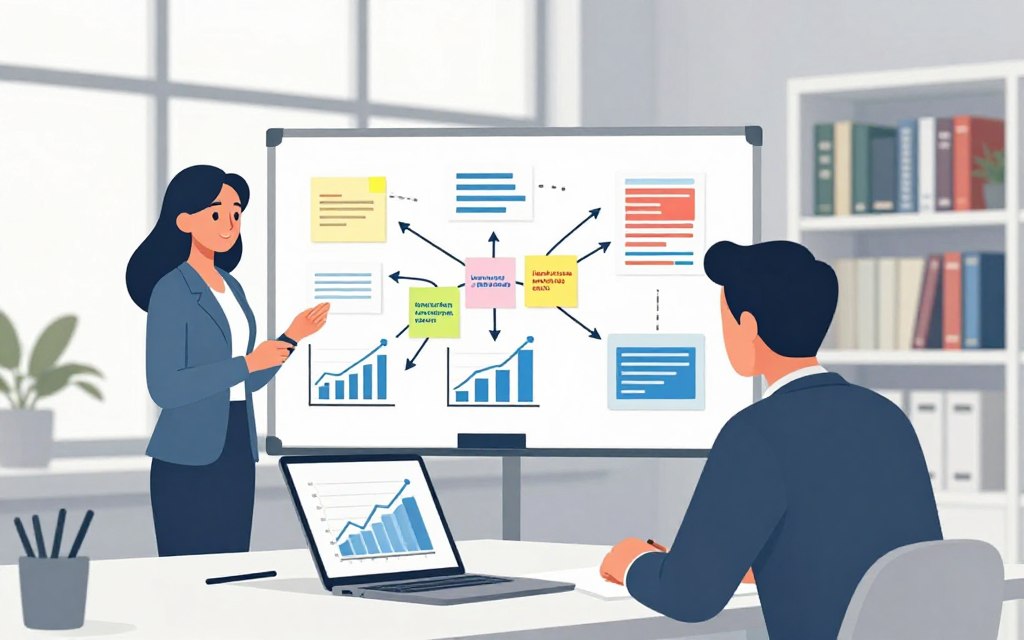
A small bump in your performance has serious long-term impact. Imagine moving from 3% to 3.5%. That half-percent jump can deliver a 17% ongoing revenue increase.
This compounds month after month. That’s where the real money lives.
I’ve seen businesses transform profitability by making conversion rate optimization a core part of their marketing strategy. Consistent work creates compounding returns.
The beautiful thing? Benefits are permanent. Once you optimize your pages, every future marketing dollar produces better returns automatically.
This work should be your top marketing priority. It amplifies everything else you do, from SEO to email campaigns.
A long-term strategy means building a culture of testing. Constantly gather data, form hypotheses, run experiments, and implement winners.
Insights from this work extend far beyond marketing. They inform product development, customer service, and pricing.
CRO is an investment that pays dividends forever. Unlike ads, results don’t stop when spending does.
Building a sustainable business means maximizing customer lifetime value and minimizing acquisition costs. This optimization directly improves both metrics.
Conclusion
The true power of your advertising lies not in spending more, but in converting better. You now have a complete roadmap of proven tactics.
Start with the quick wins. Improve your value proposition and streamline your forms. These changes deliver fast results.
Remember, even a small lift in your conversion rates creates a massive financial impact over time. It means more sales from the same traffic.
This work is an ongoing process. Commit to testing and refining your pages. A great next step is to optimize your landing page for conversions.
Pick three strategies from this guide. Implement them this week. Measure the results from your visitors.
Winning businesses aren’t defined by the biggest budget. They’re defined by the most effective conversion rate. You now have the knowledge to be one of them.
