
The subscription economy is worth over $650 billion. It’s growing incredibly fast.
But here’s a fact they don’t lead with. When a person gets a new monthly service, they often drop an old one. Your offer doesn’t just fight direct rivals. It competes with every charge on a credit card statement.
I’ve worked with many founders. They build something of real value. Then they hit a wall trying to share it without a huge budget.
You need smart marketing. Not just more spending. This guide cuts through the noise.
I’ll show you proven, affordable ways to reach your ideal customers. You’ll learn how to demonstrate your value clearly. And how to keep people engaged long-term.
Forget advice that needs a big team. These are steps you can take right now.
Key Takeaways
- The market for monthly services is huge but crowded, creating “subscription fatigue” among consumers.
- Effective promotion is about smart strategy, not just a large advertising budget.
- You must clearly prove your service’s worth before asking for a commitment.
- Your competition includes any service that drains a customer’s monthly budget.
- Practical, low-cost marketing tactics exist and can be implemented quickly.
- Focus on building genuine connections with potential customers to drive growth.
- Long-term success depends on keeping members happy after they sign up.
Understanding the Subscription Business Landscape
Imagine knowing exactly how much money will hit your bank account next month. That’s the power of a subscription model. This landscape isn’t built on one-time sales. It thrives on ongoing relationships.
Recurring Revenue Model Explained
Recurring revenue means customers pay you regularly. This creates predictable income. You can forecast cash flow and plan expenses easily.
You’re not chasing single transactions anymore. You build a base of loyal users. Deliver consistent value, and they stay with you.
Different Subscription Models
Several main types exist. Entertainment services like Netflix offer unlimited access. SaaS products like Trello provide software with tiered features.
Community memberships grant access to exclusive networks. Replenishment services automate delivery of everyday items.
Curation boxes send personalized products chosen by experts. Each model serves distinct customer needs. Your promotion must match those expectations.
Key Advertising Challenges in the Subscription Industry
Promoting a monthly service today means navigating a minefield of consumer skepticism. People don’t just add new charges. They trade one for another.
Subscription Fatigue and Market Saturation
Consumers face too many monthly bills. This is subscription fatigue. When someone signs up for you, they often cancel a different service.
You compete with Netflix, software tools, and every other recurring charge. Market saturation means you need a clear, unique reason to exist. Your marketing must cut through this noise.
Customer Acquisition vs. Retention
Getting new users costs money. Keeping them brings profit. Only 20% of companies successfully improve their retention rate.
A high acquisition cost with low lifetime value destroys margins. You must balance spending on new sign-ups with nurturing existing relationships. Smart marketing addresses both.
| Challenge | Primary Impact | Key Metric |
|---|---|---|
| Customer Acquisition | High upfront cost; low initial loyalty | CAC (Customer Acquisition Cost) |
| Customer Retention | Long-term profitability; stable revenue | CLV (Customer Lifetime Value) |
Focus on strategies that attract the right people and keep them subscribed. That’s how you build a sustainable model.
Evaluating Your Marketing Strategy for Subscription Services
Stop guessing what works and start measuring it. Your marketing plan is only as good as the numbers it produces. I see founders pour money into channels without checking their return.
That burns cash fast. You need a clear view of your strategy’s health before spending another dollar.

Assessing Your Current Approach
Look at your churn rate first. This metric shows what percentage of customers cancel. A high rate means people don’t see enough value to stay.
Your conversion rate is next. It reveals how many visitors actually sign up. Low numbers mean your message isn’t connecting.
Then, compare two critical figures. Customer Lifetime Value (CLV) is the total revenue a subscriber brings. Customer Acquisition Cost (CAC) is what you spend to get them.
If your CAC is higher than your CLV, you’re losing money on every sign-up. You’re running a charity, not a sustainable service.
Track where your best customers come from. Which channels bring people who stay? Double down on those. This is a core principle when you find clients for a new ad or any service.
| Metric | What It Tells You | Healthy Target |
|---|---|---|
| Churn Rate | Percentage of subscribers canceling monthly | Below 5% |
| Customer Lifetime Value (CLV) | Total revenue per customer over time | 3x your CAC |
| Customer Acquisition Cost (CAC) | Cost to acquire one new subscriber | Less than 1/3 of CLV |
| Conversion Rate | Visitors who become paying customers | Industry average +2% |
Your entire marketing strategy must answer one question. Does it attract people who find lasting value? Optimize for retention, not just sign-ups. That’s how you build a real business.
Where to Advertise Subscription Business
Effective promotion begins with pinpointing where your target audience spends their digital time. You don’t need a huge budget. You need smart placement.
Low-Cost Online Advertising Channels
Several affordable channels deliver results. Native ads blend into content people already read. Blinkist gained 50,000 monthly app downloads using them on sites like CNN.
These ads boost purchase intent by 18%. They don’t interrupt the experience.
Social media platforms let you target specific interests and behaviors. This is cost-effective for niche groups. Search engine marketing captures active seekers. They’re already looking for solutions.
Online display ads work for retargeting. Remind visitors who didn’t sign up. This costs less than finding new audiences.
Identifying Target Platforms
Start with one or two channels where your customers congregate. Test your ads there. See what resonates. Then expand to other media.
Low-cost doesn’t mean ineffective. It means choosing platforms where you can reach the right people without competing against giants. Your specific audience determines the best channels.
Leveraging Social Media and Content Marketing
Effective social media campaigns start conversations, not just broadcasts. Your goal is to build a community people want to join. This approach turns followers into loyal subscribers.
I see many services post only promotional messages. That doesn’t work. You need a strategy focused on connection.
Effective Social Media Campaigns
Campaigns succeed when you foster a sense of belonging. Ask questions and respond to comments. Share user stories and celebrate milestones.
This builds trust. People subscribe to communities, not just products.
Track which posts spark the most discussion. Double down on those topics. Your audience will tell you what they value.
Creating Engaging Content
Your content must solve problems. Show how your service works in real life. Use different formats to match how people learn.
Videos are great for tutorials. Blog posts attract search traffic. Infographics simplify complex ideas.
Consistency beats perfection. A regular schedule builds anticipation. It proves you’re reliable.
| Content Type | Best Use Case | Engagement Potential |
|---|---|---|
| Video | Demonstrations & Tutorials | High |
| Blog Post | In-Depth Guides & SEO | Medium-High |
| Infographic | Data Visualization & Facts | Medium |
| Social Post | Conversations & Updates | High |
This marketing mix attracts a wider audience. Measure which formats drive the most sign-ups. Then create more of that content.
Your content strategy demonstrates value first. That’s how you earn long-term subscribers.
Utilizing Email Marketing and Referral Programs
Word-of-mouth recommendations carry incredible weight. They are trusted 88% more than traditional advertising. Your owned email list is your most reliable marketing channel. It never changes its algorithm.
Combine it with a smart referral system. This creates a powerful growth engine.
Building Automated Email Funnels
I’ve seen this work. You don’t need to pitch hard. Set up automated sequences that deliver value first.
Send free resources and helpful tips. Educate people about their problem. Then, position your service as the clear solution.
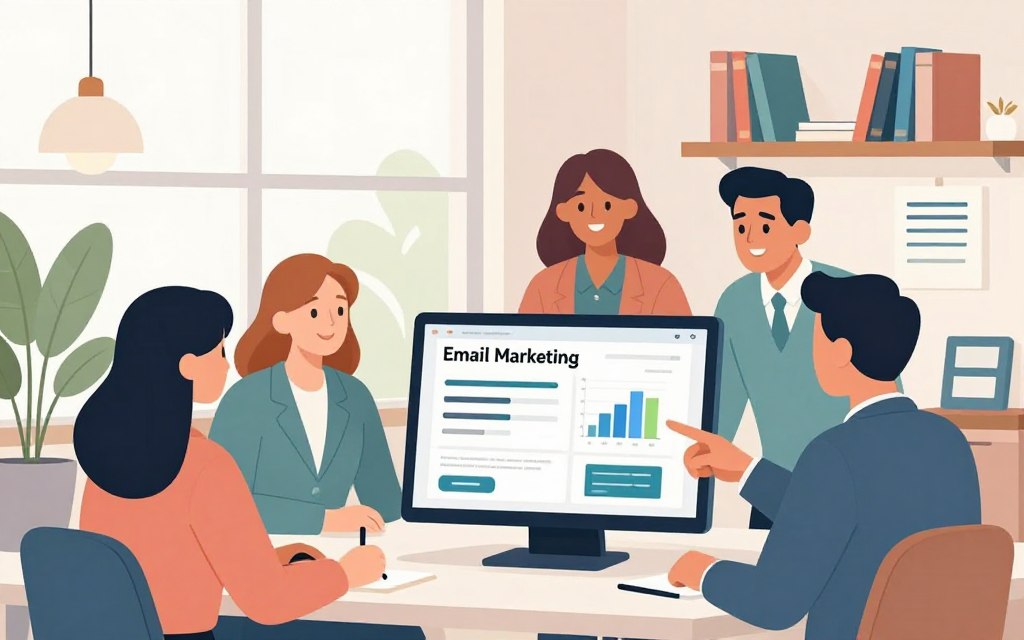
This funnel nurtures leads while you sleep. Send a weekly mix of useful content and gentle reminders. Stay top-of-mind without being annoying.
These automated strategies encourage renewals. They turn interested visitors into paying subscribers.
Implementing Referral Rewards
Turn your happiest customers into advocates. A good program gives people a reason to share. Choose a structure that fits your model.
| Program Type | How It Works | Best For |
|---|---|---|
| One-Sided Incentive | Only the person referring gets a reward. | Simple launches, low budget |
| Two-Sided Incentive | Both the referrer and the new customer benefit. | Driving rapid, mutual growth |
| Tiered Rewards | Bigger rewards for more successful referrals. | Motivating power users |
Two-sided rewards work best. Everyone wins. Acorns offers $5 for each referral.
They occasionally run promotions with $500 rewards for three successes. This creates strong motivation to share.
Building a Loyal Subscriber Community
Your most powerful asset isn’t your product; it’s the people who use it. A strong community transforms your service from a simple transaction into an identity people support. Look at YNAB. They built a subreddit with over 200,000 members. That community keeps subscribers engaged and loyal.
Fostering Customer Relationships
Real loyalty grows from genuine connection. You must actively listen and respond. Show you care about customer success, not just their payment.
Host free workshops or Q&A sessions. These live events bring subscribers together. They help people get more value from your tool. This builds a shared experience.
- Respond quickly to questions in your group or forum.
- Publicly acknowledge user feedback and ideas.
- Celebrate member milestones and successes.
Encouraging User-Generated Content
Let your happiest customers do the talking. Their testimonials and success stories convince prospects better than any ad. This content is authentic gold.
Create a space for users to share tips. A Facebook group or dedicated forum works perfectly. When subscribers help each other, they reinforce your service’s value.
This user-generated content creates powerful social proof. It also makes canceling harder. People feel they’re leaving a community, not just a subscription. That emotional tie is the ultimate driver of loyalty.
Real-Life Examples and Advertising Success Stories
Let’s examine concrete cases where clever marketing turned free users into loyal subscribers. Seeing proven tactics in action cuts through theory. You get a playbook that works.
Case Study: Spotify’s Freemium Approach
Spotify built an empire by letting people use a limited version for free. They proved immense value before asking for payment. This lowered the barrier to entry dramatically.
Their omnichannel strategy mixed social media, display ads, and search marketing. They even ran promotions inside their own free app. This consistent exposure converted users.
The “$0 trial month” was genius. It required a payment method but set clear expectations. People knew exactly when charges would start, reducing complaints.
Case Study: Trello’s Conversion Tactics
Trello offers a free-forever version with core features. They also provide a 14-day premium trial without needing a credit card upfront.
This no-credit-card approach builds instant trust. Potential customers can test the full product risk-free. They don’t worry about forgetting to cancel.
It’s a powerful example of removing friction. When the trial ends, users who see the value are ready to pay.
Another great example is Lifesum. They targeted health-conscious individuals with helpful video content. This strategy led to a 130% increase in installs and a 136% boost in paid members.
The common thread in these success stories is lowering risk while demonstrating clear value first.
| Company | Core Tactic | Key Result |
|---|---|---|
| Spotify | Freemium model with omnichannel marketing | 574 million active listeners, ~50% paying |
| Trello | Free trial without credit card requirement | High trust conversion from free to paid users |
| Lifesum | Targeted video content for a niche audience | 136% increase in subscriptions |
Your playbook is clear. Make trying your service easy. Prove its worth quickly. Then, convert those engaged users into paying customers.
Best Practices for Campaign Management and Metrics
You can’t improve what you don’t measure, especially when every subscriber’s lifetime value is on the line. I guide my strategy by a handful of crucial numbers. They tell me if I’m building a real company or just burning cash.
Key Performance Indicators to Track
Your churn rate is a direct report card. A high number means people don’t see enough value to stay. Fix this before spending more on acquisition.
Next, compare Customer Lifetime Value (CLV) to your Cost per Acquisition (CAC). If CAC is higher, you lose money on every new member. That’s an unsustainable marketing plan.
Your conversion rate reveals how well your message connects. Low numbers mean you’re targeting the wrong audience or your offer isn’t clear.
Monitoring and Adjusting Advertising Campaigns
Set a clear conversion goal for every campaign. This lets you measure performance objectively. Stop guessing what worked.
Focus your budget on channels that bring customers with high lifetime value. Other channels might generate more clicks, but they often lose money.
Use a tracking tool to see which ads create loyal members. Look beyond vanity metrics like impressions. Adjust your campaigns based on who actually renews.
This data-driven strategy turns your marketing into a profit center. You’ll invest in campaigns that build a sustainable service, not just a list of names.
Future Trends in Subscription Advertising
Staying ahead in this industry requires anticipating changes, not just reacting. The subscription economy is racing toward $2.1 trillion. This growth brings more noise and competition.
Your current strategies might stop working tomorrow. Platform algorithms shift. Customers ignore common tactics.
Innovations in Digital Marketing Strategies
Personalization is no longer optional. Generic messages get ignored. Tailored recommendations based on user behavior drive conversions.
Privacy changes make audience targeting harder. Focus on first-party data and community building. This builds trust and loyalty.
Video content dominates attention. Short-form videos demonstrate products value quickly. They don’t require huge time investments.
Businesses are shifting focus. Sustainable growth beats growth-at-all-costs. Prioritize retention and real profitability.
The future belongs to services that build genuine relationships. Treat subscribers as partners, not just revenue sources.
Test new channels early. But don’t abandon proven advertising methods. Blend innovation with reliability for lasting success.
Conclusion
The path to sustainable growth is built on clarity and connection, not just clicks. Your service must prove its worth long before asking for a card number.
You don’t need a massive budget. You need a sharp understanding of your specific customers. Use affordable channels like content and email to reach them.
Test different messages. See what brings members who stay. Then, double down on those strategies. Acquiring users is just the start. Retention is where you become truly profitable.
Build a real community around your offer. Make canceling feel like leaving a group, not just stopping a payment. This emotional tie drives lasting value.
I’ve seen this work. Now, take these ideas and start. Your loyal customers are waiting.
